Activities & Experiences
Best Things to Do in the Masai Mara
Game drives · Balloon safaris · Walking · Culture
What to Do on the Ground
The Masai Mara's core activity is the game drive, and that is where most time on the ground is well spent. But the ecosystem offers more than one mode of engagement. A walk, balloon flight, morning at the river, or cultural visit can provide a richer understanding of the place.
This guide covers the main activities available in the Mara, what each involves, who it suits, and how it fits into a typical itinerary. For seasonal priorities, read about the best time to visit the Masai Mara; for activities beyond game drives, compare the Masai Mara conservancies.
Game Drives
What It Involves
The game drive is the primary wildlife activity across the Masai Mara ecosystem. You travel in a customised open-sided 4WD vehicle, usually a Land Cruiser or Land Rover, with a guide who drives, tracks, and interprets what you encounter.
Game drives commonly use the cooler early-morning and late-afternoon periods. Exact departure and return times depend on the camp, season, reserve rules, and recent wildlife movement. Some itineraries use a longer drive with a field lunch when distance or migration movement makes that worthwhile.
In the conservancies, drives can extend beyond the standard reserve closing times for night driving, and the vehicle can go off-road to follow animals or approach sightings that are inaccessible from the main tracks.
Duration
Drive length is set by the camp and the day's plan. A shorter outing may suit families or a slower itinerary; a longer drive can make sense when the guide needs to cover more ground. Night driving is available only where local rules and the selected camp allow it.
Who It Suits
Game drives are physically accessible for many travellers, but vehicle access, seating, drive length, and child policies vary. Families and travellers with mobility requirements should confirm the exact vehicle and operating arrangements before booking.
What to Expect
The quality of a game drive is primarily determined by the guide. A good guide reads landscape, behaviour, and tracks. They position the vehicle at the right angle for light and observation. They know when to stay quietly at a sighting and when to move. They understand predator territories and can anticipate activity. An excellent guide transforms a game drive from wildlife watching to ecological storytelling.
In the main reserve, vehicle crowding at popular sightings can be significant in peak season, particularly during migration crossings and lion kills. In the conservancies, where vehicle numbers per sighting are typically controlled, the quality is considerably higher.
Hot Air Balloon Safari
What It Involves
A balloon flight is a dawn activity whose route and landing point are determined by wind and operating conditions. Breakfast arrangements, transfer times, and landing fees vary by operator and departure area.
Duration
The activity includes the camp transfer, safety briefing, inflation, flight, landing, and return arrangements. Ask the selected operator for the current schedule rather than building the day around a universal duration.
Who It Suits
Age, height, mobility, and medical restrictions are operator-specific. Travellers must be able to follow the operator's landing instructions, and anyone with a relevant health concern should seek medical advice before booking.
Best Time
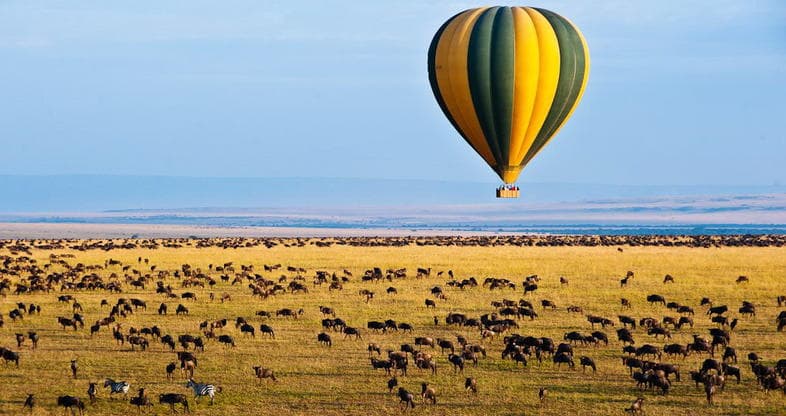
Flights operate year-round, though conditions in July-October are ideal, with clear mornings, good visibility, and the possibility of migration herds below you. The aerial scale of the migration, visible only from above, is one of the most compelling arguments for the flight.
Booking
Balloon safaris are operated by specialist companies and must be booked in advance. In peak season, slots fill weeks ahead. Cancellation due to weather is possible. Strong winds, poor visibility, or rain can result in same-day cancellation. Most operators offer refunds or reschedule when this happens.
Cost
Rates and compulsory levies vary by operator and date. Use the selected operator's current written quote and identify landing fees, community levies, and medical-evacuation charges separately.
Walking Safaris
What It Involves
Walking safaris are available in several conservancies and are not permitted in the national reserve under Narok County's current management plan. Group size, guide qualifications, and safety arrangements are operator-specific.
The experience is fundamentally different from a vehicle drive. The perspective shifts: you are at ground level, aware of every sound, reading tracks and sign that are invisible from a vehicle. The animals you encounter are the same, but they respond differently to people on foot. Careful, quiet movement and the guide's management of the group's approach create a different quality of engagement.
Walking safaris are not primarily about accumulating sightings. They are about understanding the ecosystem at a level of detail that driving cannot provide. Tracking, identification of footprints and dung, plant identification, and the natural history context that a good guide provides on foot are the core value.
Duration
Walking routes range from short interpretive outings to longer excursions. Duration, minimum age, terrain, and fitness requirements depend on the camp, conservancy, and guide. Confirm the current format before treating a walk as an included activity.
Who It Suits
Travellers who are reasonably mobile and comfortable with physical effort and periods of quiet, attentive movement. Minimum ages and mobility requirements vary by operator and must be confirmed before booking.
Safety
A licensed armed guide leads every walk. The risk level is managed through guide knowledge, appropriate distances from wildlife, and clear protocols. Encounters with dangerous wildlife on walking safaris are rare because a good guide reads the landscape before they happen. Following the guide's instructions precisely is the primary requirement.
Night Drives
What It Involves
Night drives use a spotlight to look for nocturnal wildlife after standard daytime activity ends. They are available only in areas where local rules permit them, and departure time and duration vary by camp and season.
What You Can See
Serval, one of the most beautiful cats in Africa and rarely seen in daylight, may be encountered on night drives in the Mara. Civet, genet, African wild cat, striped hyena (less common), porcupine, spring hare, and various species of bush baby (galago) are also possible. Hunting cats, particularly leopard, are sometimes encountered in circumstances that daytime drives cannot match.
Who It Suits
The activity may suit adults and older children who are comfortable sitting quietly after dark. It can reveal nocturnal behaviour that a daytime drive cannot, but sightings remain uncertain and each camp sets its own child policy.
Where Available
Conservancy camps only. Night drives are not permitted in the national reserve under Narok County's current management plan.
Bush Breakfasts and Sundowners
Bush Breakfast
Some camps can arrange breakfast away from the main dining area after an early drive. The location, menu, frequency, and any extra charge are property-specific, so verify the current arrangement before presenting it as part of a stay.
Sundowner
An evening drink stop in the field at sunset may involve the vehicle parked on a rise, drinks poured from a box on the bonnet, and the light turning over the plains. This is a ritual of the Mara rather than a formal activity, but it is one that many clients value. The quality of the conversation, the landscape, and the guide's knowledge during this unscheduled time is part of what makes the Mara experience cumulative rather than transactional.
Cultural Visits
What Is Available
Maasai communities live throughout the Mara ecosystem, and cultural visits to traditional homesteads (manyattas) are offered by many camps. A good visit involves a genuine interaction with community members and can cover the structure of the homestead, the role of livestock in Maasai culture, traditional practices and dress, and the relationship between the community and the wildlife that surrounds them.
What to Look For
The quality and authenticity of cultural visits varies significantly. A camp with genuine long-term community relationships produces a visit that feels like a real encounter with people who are part of the landscape. A visit that is primarily staged for tourist photography is a different thing entirely.
Ask your camp how the community visit is structured and what the relationship with the specific community is. The conservancy model, in the well-managed conservancies, means that camp operators have often worked with the same community families for years. That relationship comes through in the visit.
Etiquette
Dress modestly. Ask before photographing individuals. Follow the host's direction on appropriate behaviour. Do not distribute sweets or money to children. Ask the host or community organisation whether there is an appropriate, structured way to support a locally defined priority.
Birdwatching
The Mara holds over 450 recorded bird species, and serious birdwatchers are well served here. A standard game drive with a wildlife-generalist guide can cover common and large species such as lilac-breasted roller, secretary bird, kori bustard, fish eagle, and lappet-faced vulture.
For dedicated birdwatching, a specialist guide is worth arranging. Several camps can provide ornithologically-focused guides on request, and birdwatching-specific drives targeting the riverine forest, the open plains, and the woodland margins are substantially more productive than general wildlife drives for species accumulation.
November through April is the best window for birdwatching, when Palaearctic migrants are present and species counts are at their highest. The short November rains also trigger breeding behaviour in many resident species.
See the Masai Mara Birdwatching Guide for full detail.
Photography
The Mara is one of Africa's most productive wildlife photography destinations, and many clients arrive with serious equipment. The open terrain, consistent predator activity, and migration spectacle make it an exceptional location for both wildlife portraiture and landscape photography.
A camera with a telephoto lens in the 300-500mm range is ideal for most wildlife subjects. An open vehicle with no windows, no roof, and complete 360-degree access suits photography well. Early morning light is typically the best: low, golden, and directional across the plains.
For dedicated photographers, a private vehicle with a photography-aware guide makes a substantial difference. Camp choice matters because some conservancy camps are closer to productive plains or river access points for specific types of photography.
See the Masai Mara Photography Guide for full detail.
Frequently Asked Questions
Is a hot air balloon worth the cost? For most clients who do it, yes. The aerial perspective over the plains, particularly during the migration, is genuinely different from anything available from the ground. For clients with a short stay and limited time, the half morning it occupies may be better spent on an additional game drive. For clients with four nights or more, it is a strong addition.
Can I do a walking safari if I have limited fitness? Walking difficulty depends on the route, terrain, heat, and group format. Ask the camp for the current distance, duration, age limit, and fitness expectation, then match the activity to the traveller rather than assuming every walk is gentle.
Are night drives available in the main reserve? No. Night drives are only permitted in the private conservancies. This is one of the most concrete reasons to choose a conservancy camp.
How many game drives should I expect per day? Most camps structure two per day as standard, one in the morning and one in the afternoon. Some offer full-day drives on request. If your stay is short (two to three nights), taking both drives every day is worthwhile. For longer stays, a rest or alternative activity at midday is reasonable.
Related Guides
Zorani Expeditions
Experience the Masai Mara
Every Zorani journey is tailored to the specific client. Let us build the right itinerary around your preferences.
Enquire Now