Plan a private Uganda safari
Uganda Safaris
Combine gorilla trekking, forest primates, savannah and river wildlife in a route that allows for the road time between them.
Plan a Uganda safariBuild around the forest, then protect the pace
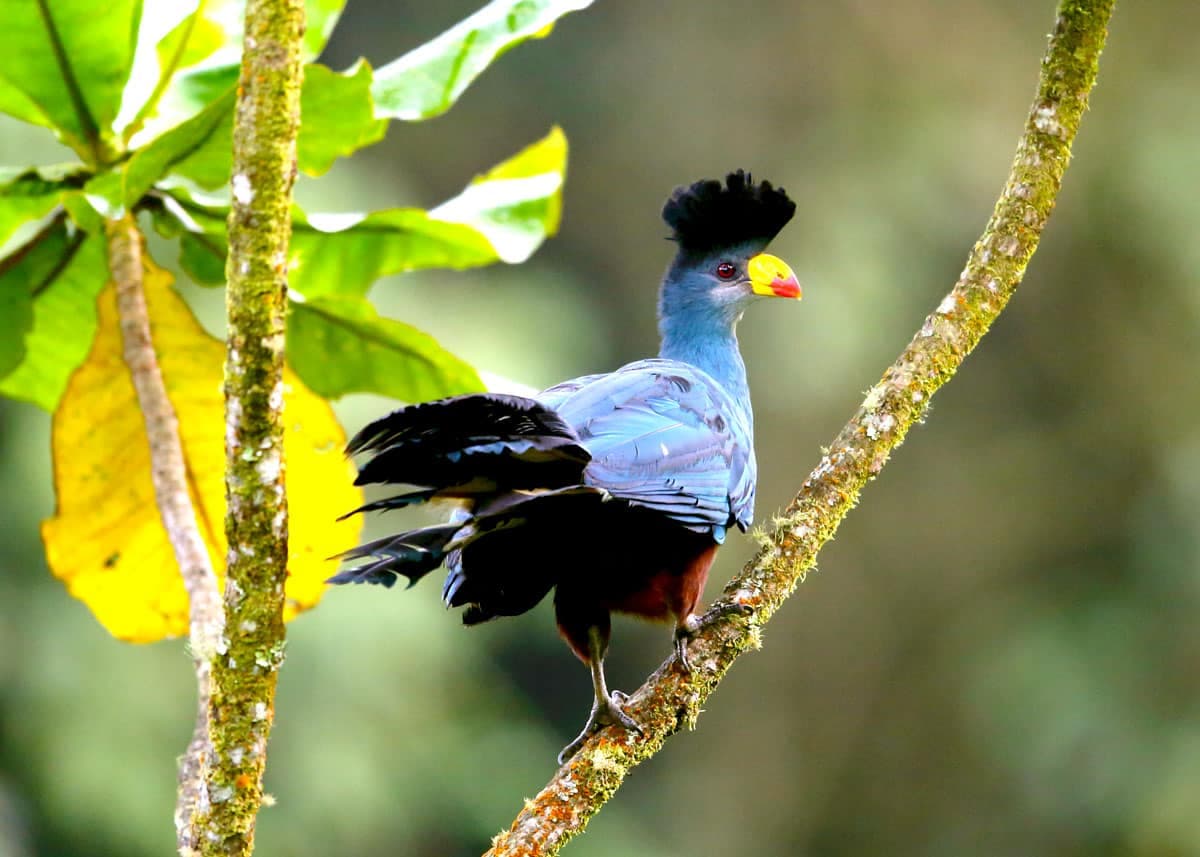
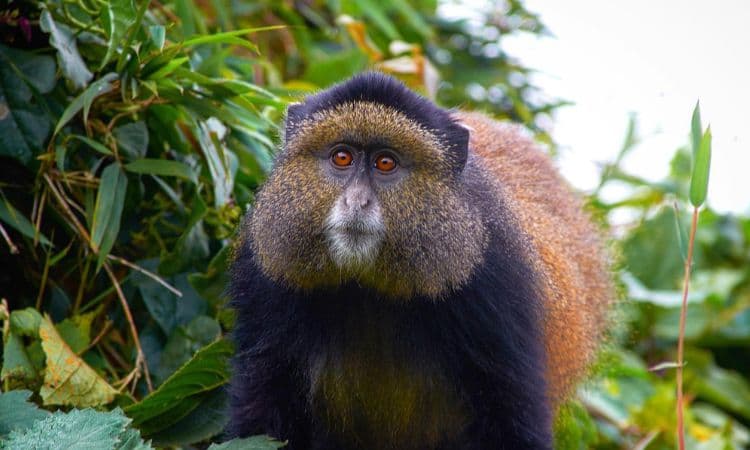
Gorilla trekking often sets the shape of a Uganda Journey. Once the permit date and sector are confirmed, Kibale, Queen Elizabeth, Bwindi and, on longer routes, Murchison Falls can be placed in a sequence that leaves time in each area.
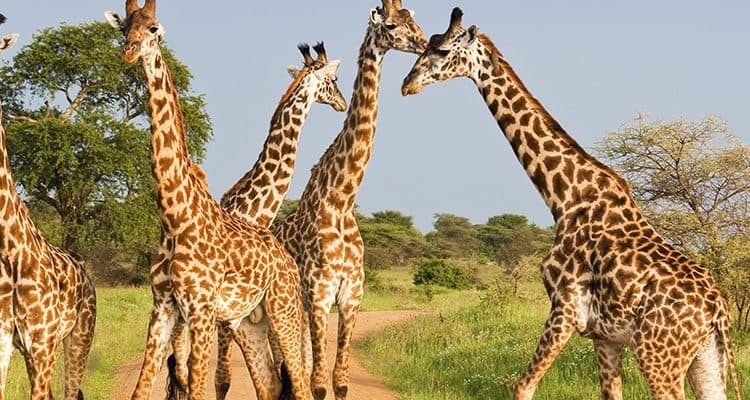
The range is the reason to choose Uganda: primates on foot, water-based wildlife viewing and savannah drives can sit in one country. The compromise is movement. A route that looks neat on a map can feel demanding on the ground, so the number of stops should remain proportionate to the time available.

ZORANI EXPEDITIONS
Plan your Uganda safari
Start with the trekking date or wildlife priority, then choose the forests, savannah and river country that deserve the available time.


Parks & Reserves
Uganda's parks and forests
Essential Information
How Long to Stay
A minimum of seven days allows for one circuit (typically the western route covering Queen Elizabeth, Kibale, and Bwindi) with enough time to move between locations without rushing. Seven days is tight and requires careful logistics; ten days is a more honest minimum for a first Uganda journey that includes gorilla trekking.
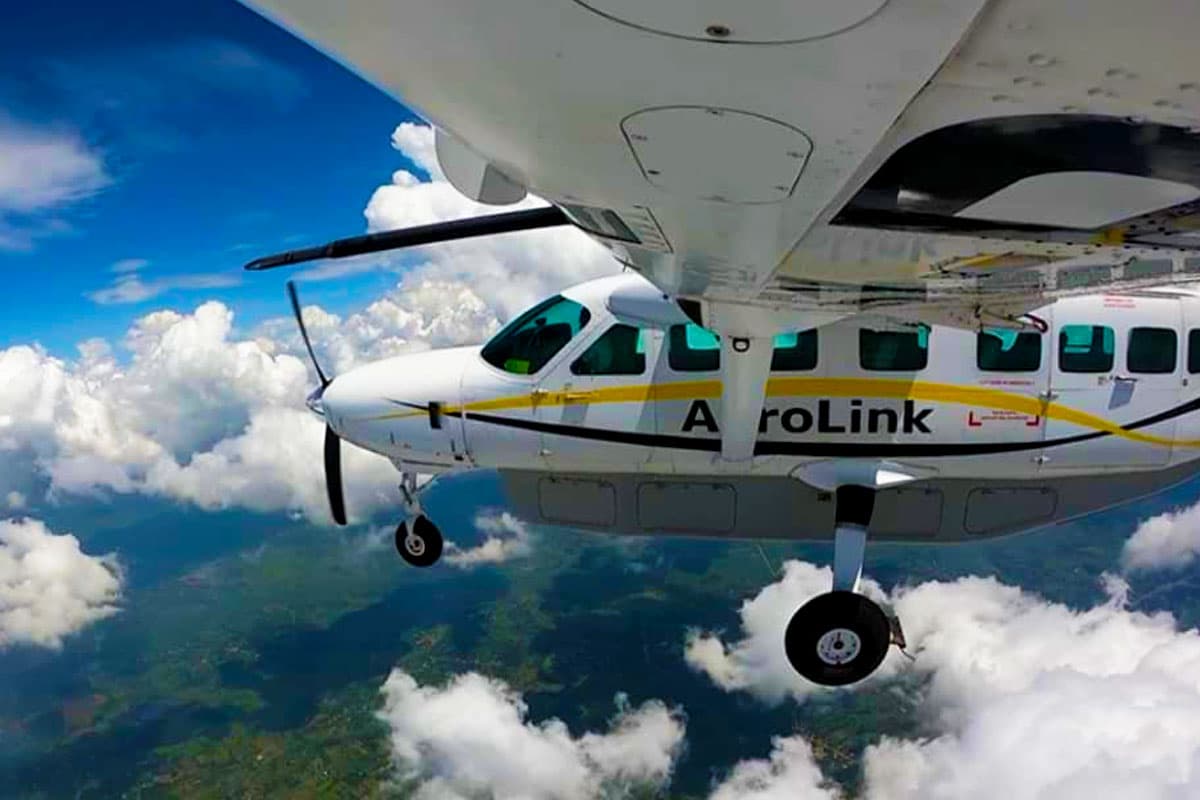
To combine the western circuit with Murchison Falls in the north, allow twelve to fourteen days. This junction usually requires a flight between the northern and western parks rather than an overland drive, which adds cost but keeps the journey moving sensibly.
For travelers focused exclusively on Bwindi (with a second gorilla trek or a habituation experience added alongside the standard permit) three to four nights in the forest alone is reasonable, combined with travel time from Entebbe on either side.
If adding a beach extension, the Ssese Islands on Lake Victoria require a ferry from Nakiwogo and are best suited to two to three nights. They are a quieter close to a journey than a city night in Kampala, though the latter has genuine restaurants and a worthwhile food scene if the traveler has interest.


Accommodation
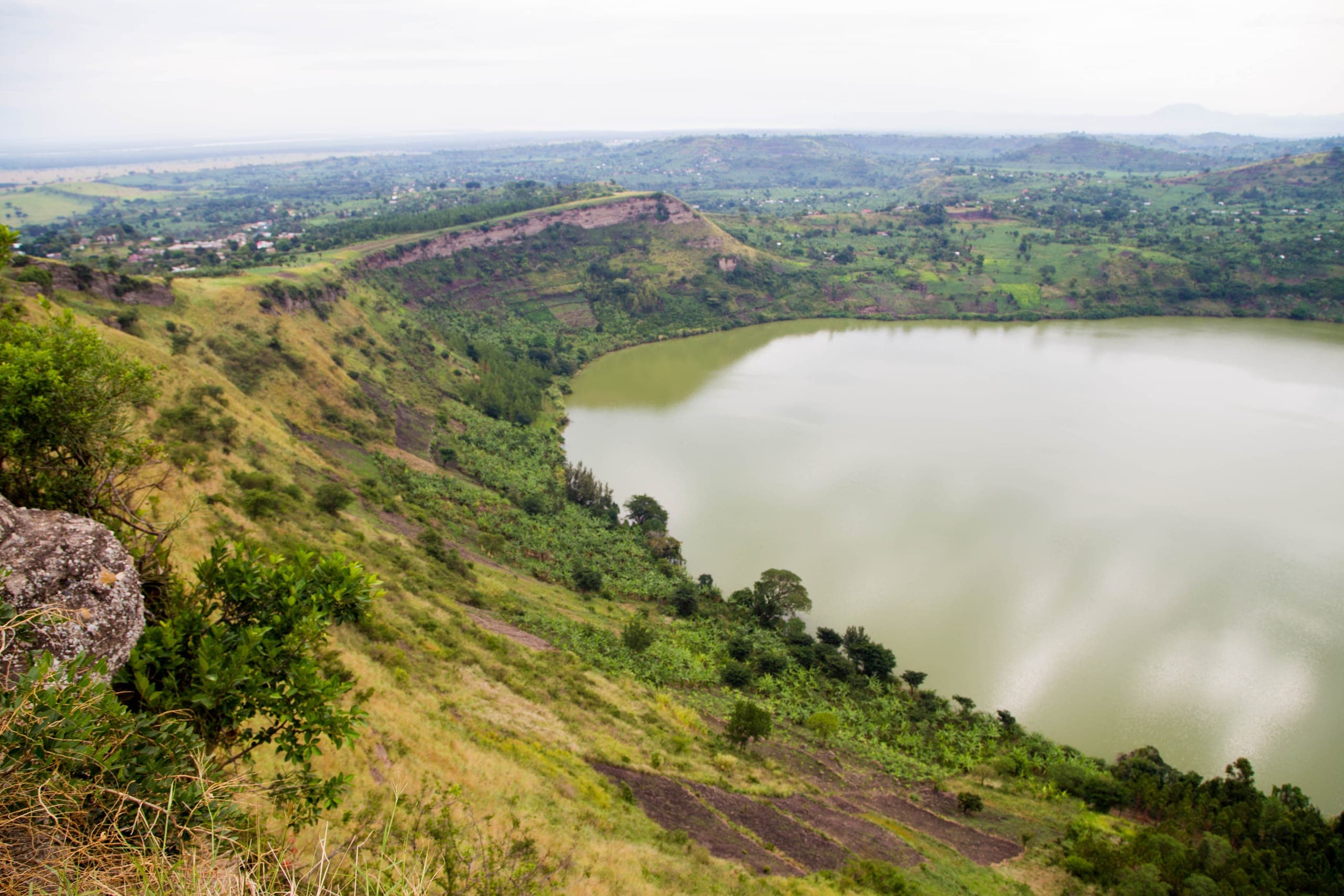
The western circuit is the best-served part of Uganda for lodge quality and range. Around Bwindi, lodges sit near each sector's trailhead and range from Midrange bandas to Luxury forest camps with well-designed rooms and good guiding operations. Queen Elizabeth has its strongest options on the Mweya peninsula, with several lodges positioned above the Kazinga Channel. Kibale has a small but reliable selection near Kanyanchu. Standards across the western circuit have improved significantly over the past decade, and at the better properties the guiding quality is the distinguishing feature as much as the accommodation itself.
Murchison Falls is more remote and has fewer lodges, but the better properties along the Nile bank offer a calm and well-positioned base for the river and game drive experience. The northern circuit does not need to be treated as a compromise: it simply has less choice at the top end.
For the Ssese Islands, accommodation is genuinely low-key. It suits travelers who want rest rather than activity at the close of a journey. The option should be presented honestly: it is not a polished beach experience but a quiet one.
Frequently Asked Questions
How do I get around Uganda on a safari?
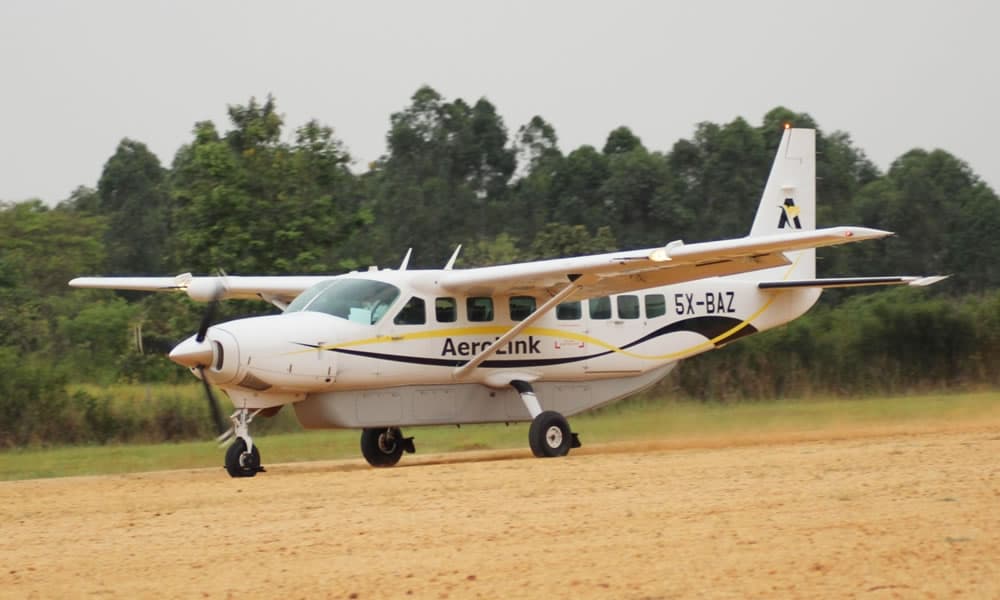
The western circuit is usually covered by private road transfer in a 4WD vehicle. Transfer times between parks are long (Queen Elizabeth to Bwindi takes four to five hours) and should be factored honestly into the schedule. Scheduled charter flights operate to Kihihi (for Buhoma sector) and Kisoro (for Nkuringo and Mgahinga), which reduce overland time significantly on longer journeys.
Are remote parks accessible by road?
Murchison Falls is most practically reached by scheduled charter flight from Entebbe or by road from Kampala (roughly four to five hours). Combining Murchison with the western circuit overland is possible but adds full driving days that reduce time in the parks. Charter flights are the recommended connection.
What are the health and vaccination requirements?
Yellow fever vaccination is mandatory for entry into Uganda. Malaria prophylaxis is recommended for all regions, including higher-altitude areas where risk is lower but not absent. Comprehensive travel health advice from a qualified clinic before departure is standard.
What currency should I bring?
The Ugandan shilling is the local currency. Most lodges and camps accept US dollars or major credit cards, though connection quality varies in remote areas. Carry some cash for small purchases, tips, and local transactions in towns.
Do I need a visa for Uganda?
Most international visitors require a visa for Uganda. The East Africa Tourist Visa (available to eligible nationalities) covers Uganda, Rwanda, and Kenya on a single permit and is worth considering for multi-country journeys. Visa requirements should be confirmed at the time of booking as conditions change.
Will altitude affect my gorilla trekking?
Bwindi and the Virunga highlands sit between 1,600 and 2,600 metres. This is not high enough to cause serious altitude symptoms for most travelers, but guests with respiratory conditions should discuss this with their doctor before planning a trekking day.
Plan Your Uganda Journey
We plan Uganda routes around permit availability, transfer logistics, and the right balance of primate trekking and wildlife time. The sequencing matters, particularly when Bwindi, Kibale, and a northern circuit need to fit together without wasted days.
Speak to a travel specialist