Family Planning
Masai Mara Family Safari Guide
Minimum ages · Activity structure · Camp selection
Safari with Children
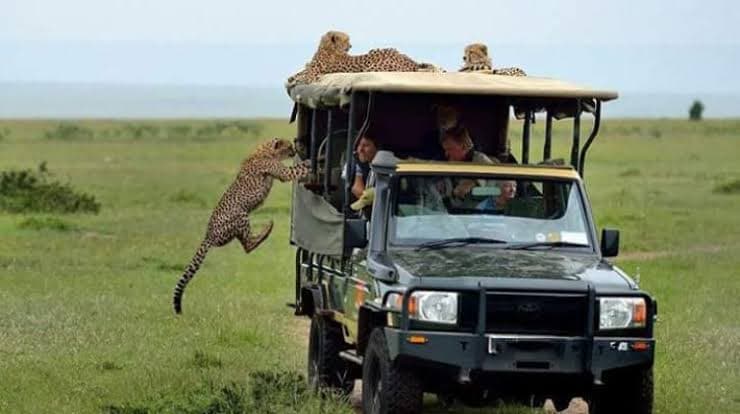
The Masai Mara works well for families. Observing wildlife from a game-drive vehicle does not require physical exertion, so the format can suit children from a young age when the camp and guides are right. The combination of dramatic wildlife, open terrain, and a genuinely different environment from home creates an experience that engages children in ways that conventional travel often does not.
Planning well matters. Camp choice, guide selection, activity structure, and logistical preparation all affect how smoothly a family safari runs and how much the children get from it. Start with the Masai Mara accommodation guide and consider the best time to visit the Masai Mara for school-holiday planning.
Related Guides
Minimum Ages
There is no ecosystem-wide minimum age for Masai Mara camps. Each property sets its own accommodation policy, and room configuration can matter as much as age. Some properties have family tents or villas; others cannot place younger children in a separate tent.
Walking-safari minimum ages and private-walk arrangements vary by conservancy and operator. Confirm them directly rather than applying a Mara-wide age.
Night-drive policies also vary by camp, vehicle basis, and conservancy.
Balloon policies are operator-specific. For example, Governors' Balloon Safaris (opens in a new tab) currently requires children to be at least 8 years old and taller than 1.2 metres. That rule does not establish the policy of another operator.
Confirm all minimum ages directly before booking because camp policies change and age requirements for specific activities vary.
Choosing the Right Camp
For families, camp selection is even more important than for couples or solo travellers.
Interconnecting tents or family rooms: Essential for families with young children. Not every camp has them. Confirm before booking.
Dedicated family vehicles: Some camps offer a private vehicle specifically for family groups, which allows the guide to pitch the experience at the children's level without managing the expectations of other adult guests. This is worth requesting.
Child-specific programming: Some camps advertise junior naturalist or tracking activities. Ask for the current programme, age range, supervision, and who leads it rather than assuming it is included.
Safety: Follow the selected camp's escort and supervision rules. Unfenced properties commonly restrict independent movement after dark, but the exact procedure must come from the property's current safety briefing.
Activities for Families
Game drives: The core activity and naturally suited to children. Wildlife that children have seen in books and documentaries, encountered in real scale and proximity, produces strong and lasting impressions. Guides who enjoy working with young guests make a significant difference.
Walking in camp: Some properties offer guided, child-appropriate activities within a defined camp area. Do not describe these as a walking safari; confirm the route, supervision, and age policy.
Tracker experiences: Some camps arrange a specific morning with an expert tracker, teaching children to follow footprints, identify dung, and read animal behaviour from signs on the ground. This is among the most engaging structured children's activities available in the Mara.
Maasai cultural visits: A visit can work for a family when the host community, format, photography expectations, and benefit arrangement have been verified. Avoid promising interaction with local children or livestock.
The balloon safari: Works for children who are old enough (check operator minimums) and who do not have vertigo. The aerial scale of the Mara from a balloon is accessible to older children's understanding in a way that ground-level game drives are not.
Practical Tips for Family Travel in the Mara
Schedule flexibility: Attention spans vary. A private vehicle can make shorter drives and rest breaks easier, but the actual schedule should be agreed with the guide and camp.
Pack for the conditions: Layers for cool mornings, sun protection for midday, and muted colours throughout. Children should not wear bright or white clothing on game drives. Most camps will brief on this, but preparing before arrival is easier.
Malaria prophylaxis: Consult a travel health specialist in advance. Prophylaxis options for children vary by age and weight. Start the regime before departure as recommended by your doctor.
Camera and optics for children: A small pair of binoculars, scoped at children's eye levels, produces enormous engagement. Many camps have children's binoculars available. A basic camera or designated use of a parent's phone creates active participation in the observation experience.
Realistic expectations: Not every game drive produces a lion kill or a leopard in a tree. Building children's curiosity about the landscape, plants, birds, and tracks produces a more resilient and observant traveller than focusing only on the big-ticket mammals.
Suggested Family Itinerary
Four nights can provide two full days on the ground without making a transfer immediately after arrival. A balloon flight or cultural visit should only be placed after the operator's age policy and the family's interest have been confirmed.
For families adding a coast extension, Diani Beach and Watamu are strong choices. Three nights in the Mara followed by three to four nights at the beach works well, with particular appeal for families where the adults want wildlife and the children want the beach.
Frequently Asked Questions
At what age can a child genuinely enjoy the Masai Mara? There is no reliable universal age. Temperament, experience with long drives, sleep routine, safety awareness, and the camp's accommodation rules matter more than a generic threshold.
Are the camps safe for children? A camp can be suitable when its room layout, escort rules, pool supervision, vehicle arrangements, and emergency procedures fit the children's ages. Confirm those details directly; a general destination guide cannot certify every property.
Can we do a dedicated family-only vehicle? Policies and supplements vary. Request the vehicle basis in writing because a private vehicle can materially improve pacing for a family.
Zorani Expeditions
Experience the Masai Mara
Every Zorani journey is tailored to the specific client. Let us build the right itinerary around your preferences.
Enquire Now