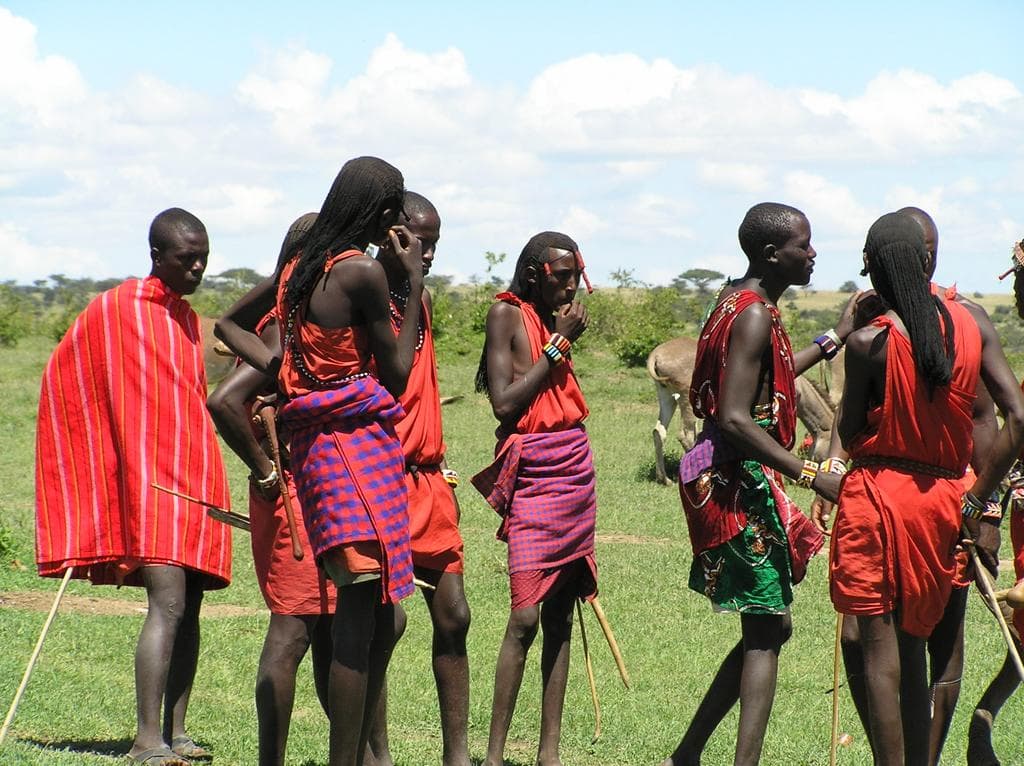
Culture & Community
Maasai Culture in the Masai Mara
Community connection · Cultural visits · Conservation
The Maasai and the Land
The Masai Mara National Reserve takes its name from the Maasai people who have inhabited the surrounding land for centuries. The semi-nomadic pastoralists who once moved freely across the plains that now form the reserve still live in substantial numbers throughout the wider ecosystem. Their relationship with the land and with wildlife is not background context to a wildlife journey. It is central to understanding the place.
This guide is intended as an honest and useful introduction to Maasai culture and community engagement in the context of a Mara visit. It avoids both romanticisation and reductiveness. Learn how Masai Mara conservancies work with landowners, and consider the things to do in the Masai Mara when planning a respectful cultural visit.
Related Guides
The Maasai People
The Maasai are a Nilotic people who migrated into what is now Kenya and northern Tanzania several hundred years ago. They are traditionally semi-nomadic pastoralists whose cattle, goats, and sheep form the core of their economy and cultural identity. Cattle are not merely economic assets; they carry social and spiritual significance, and a man's standing within his community has historically been partly measured by his herd.
Maasai society is organised around an age-grade system in which males move through defined life stages, including junior and senior warriors (morans), then junior and senior elders. Each stage has specific roles and responsibilities. This system governs marriage, land use decisions, conflict resolution, and community governance.
Maasai communities are not a monolithic, unchanging entity. They exist within a modern state, send children to school, use mobile phones, engage with markets and formal employment, and navigate the pressures of land subdivision and political change. The Maasai in the Mara ecosystem are communities in active transition, negotiating between traditional practices and modern realities with varying degrees of success and on varying terms.
The Maasai and the Conservation Model
The conservancy model that defines much of the Mara's premium wildlife experience is fundamentally a Maasai land model. The conservancies operate because Maasai landowners have agreed to lease their land for wildlife tourism rather than converting it to farming or intensive livestock use.
The relationship between Maasai communities and conservancy operators is not uniformly positive. Where conservancy fees are fairly distributed and community benefits are genuine, the model creates real and meaningful income for families who might otherwise have limited economic alternatives. Where fee structures are opaque or benefits are concentrated in the hands of community leaders, the model is more complicated.
For Zorani, the conservation and community dimension of accommodation recommendations is both an ethical consideration and part of the Journey. Camps with genuine community relationships and transparent fee structures can support a better-quality cultural engagement as well as a better conservation outcome.
Cultural Visits
Most camps in the Mara offer some form of cultural visit to a nearby Maasai homestead (manyatta). The quality and character of these visits varies considerably.
At the better end, a cultural visit is a genuinely reciprocal engagement guided by a community member who has a real relationship with the camp. It involves honest conversation about Maasai life, land use, and the economic choices facing the community. You see a working homestead, understand the structure of Maasai domestic life, and leave with a more layered picture of the human dimension of the ecosystem.
At the weaker end, cultural visits can feel performative, with a staged demonstration of dancing and warrior jumping (adumu) followed by an opportunity to buy beadwork. The dancing and craftwork are real Maasai traditions, but a visit that exists primarily as a cultural showcase for tourist cameras is a reduced version of what genuine cultural engagement looks like.
Ask your camp how the cultural visit is structured and what the relationship with the community is. The answer will tell you a great deal about the quality of what you will experience.
Responsible Engagement
Photographing people: Always ask before photographing an individual. Some Maasai are comfortable with photography; others are not. Photographing without asking is disrespectful regardless of where you are. For formal portraits, agree on any appropriate contribution beforehand rather than creating a transactional surprise.
Distributing gifts to children: Distributing sweets, pens, or money to children creates unhealthy incentive structures and undermines parental authority. Most communities ask visitors not to do this. Bring nothing for children specifically unless your camp has pre-arranged a specific educational donation as part of a structured community programme.
Purchasing beadwork and crafts: Buying crafts from community members is a direct economic contribution. The camp can advise which artisan groups or community shops have the most direct benefit to producers. Negotiating aggressively on price over small craft items is not in good form. The amounts involved are small and the people selling them do not have the leverage that professional traders do.
Questions and curiosity: Most Maasai guides and community hosts welcome genuine questions about their lives, land, and cultural practices. They also notice superficial or condescending curiosity, such as questions that assume you are observing something exotic and backward. Genuine interest, asked respectfully, produces genuine engagement.
Zorani Expeditions
Experience the Masai Mara
Every Zorani journey is tailored to the specific client. Let us build the right itinerary around your preferences.
Enquire Now