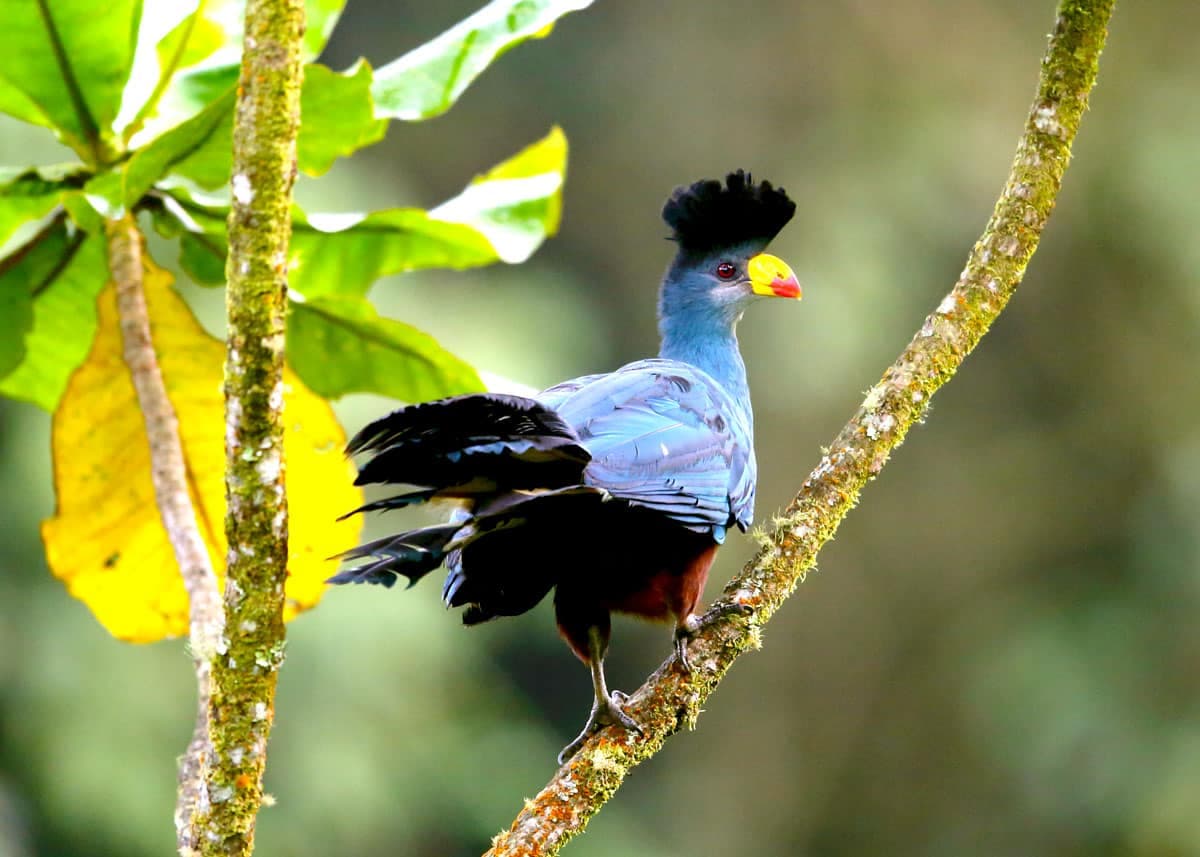
The parks and conservancies across Uganda, Rwanda, Kenya, and Tanzania cover a range of very different ecosystems from the open grass plains of the Serengeti and Masai Mara to the acacia woodland of Tarangire, the crater floor of Ngorongoro, and the forest and waterway landscapes of Uganda's western parks. Each location has a distinct character and suits different types of traveler.

KEY PLANNING DISTINCTIONS
Major Wildlife Destinations
What follows is a breakdown of the major wildlife destinations Zorani plans journeys around, with the key planning distinctions that actually matter.


SCALE & SEASONAL CALVING
Serengeti National Park, Tanzania
The Serengeti is the most significant wildlife destination in Africa by scale. At just under 15,000 square kilometres, it is vast and that scale creates planning challenges that matter. Being in the wrong part of the Serengeti at the wrong time of year can mean excellent game viewing but missing the spectacle you came for.
The Serengeti divides broadly into three zones relevant to planning: the southern plains around Ndutu, the central Seronera area, and the northern Serengeti between the Mara River and the Kenya border.
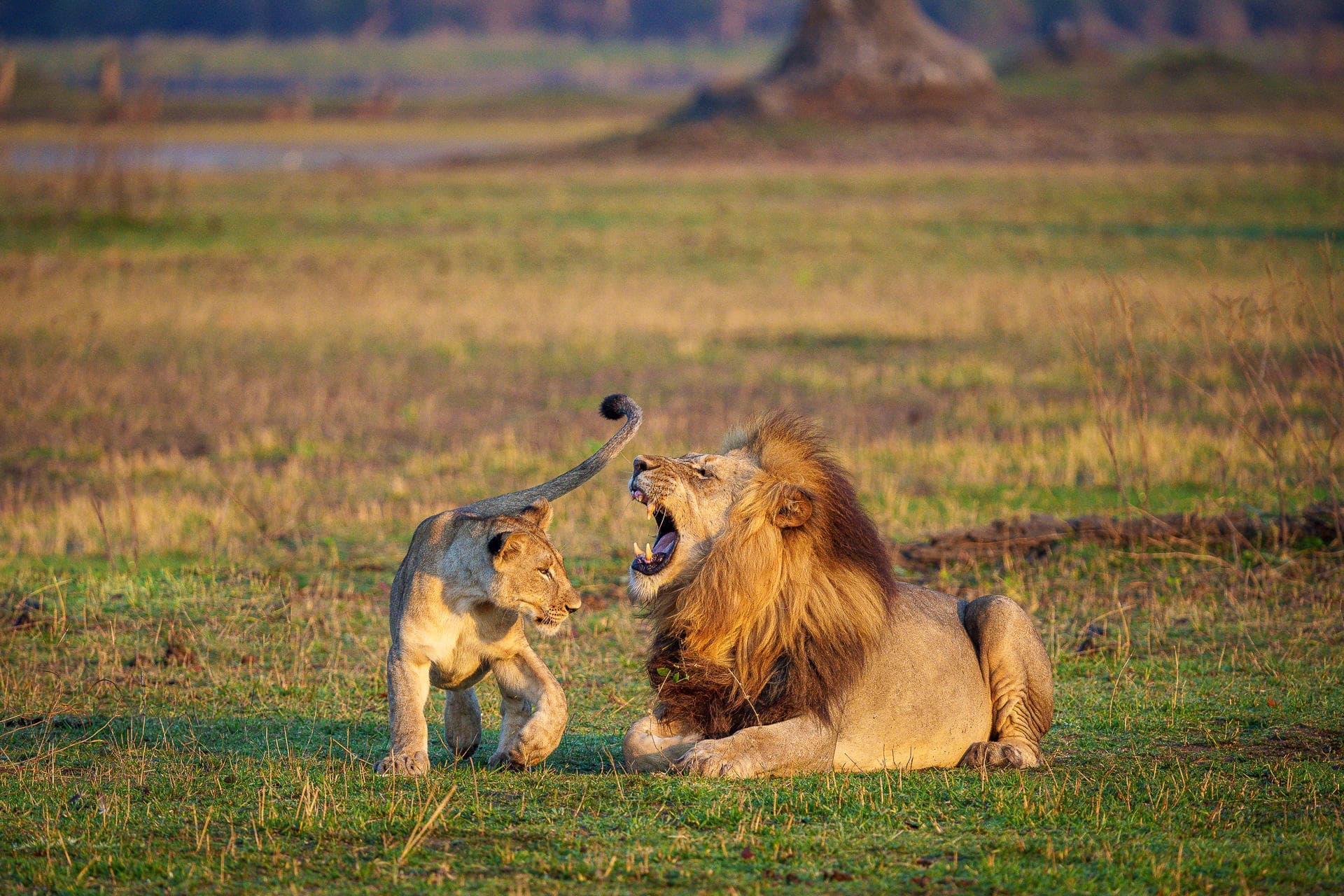
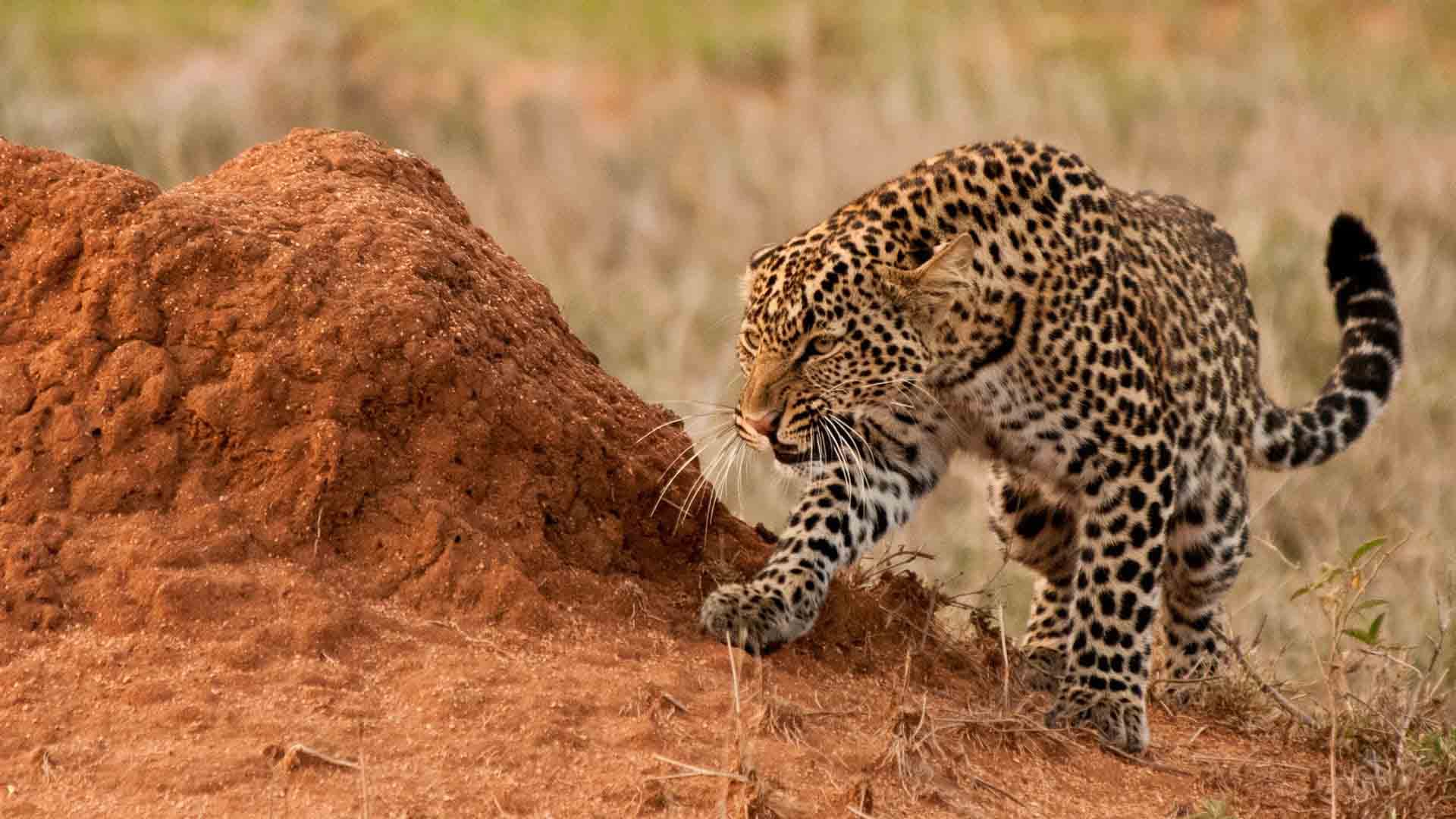
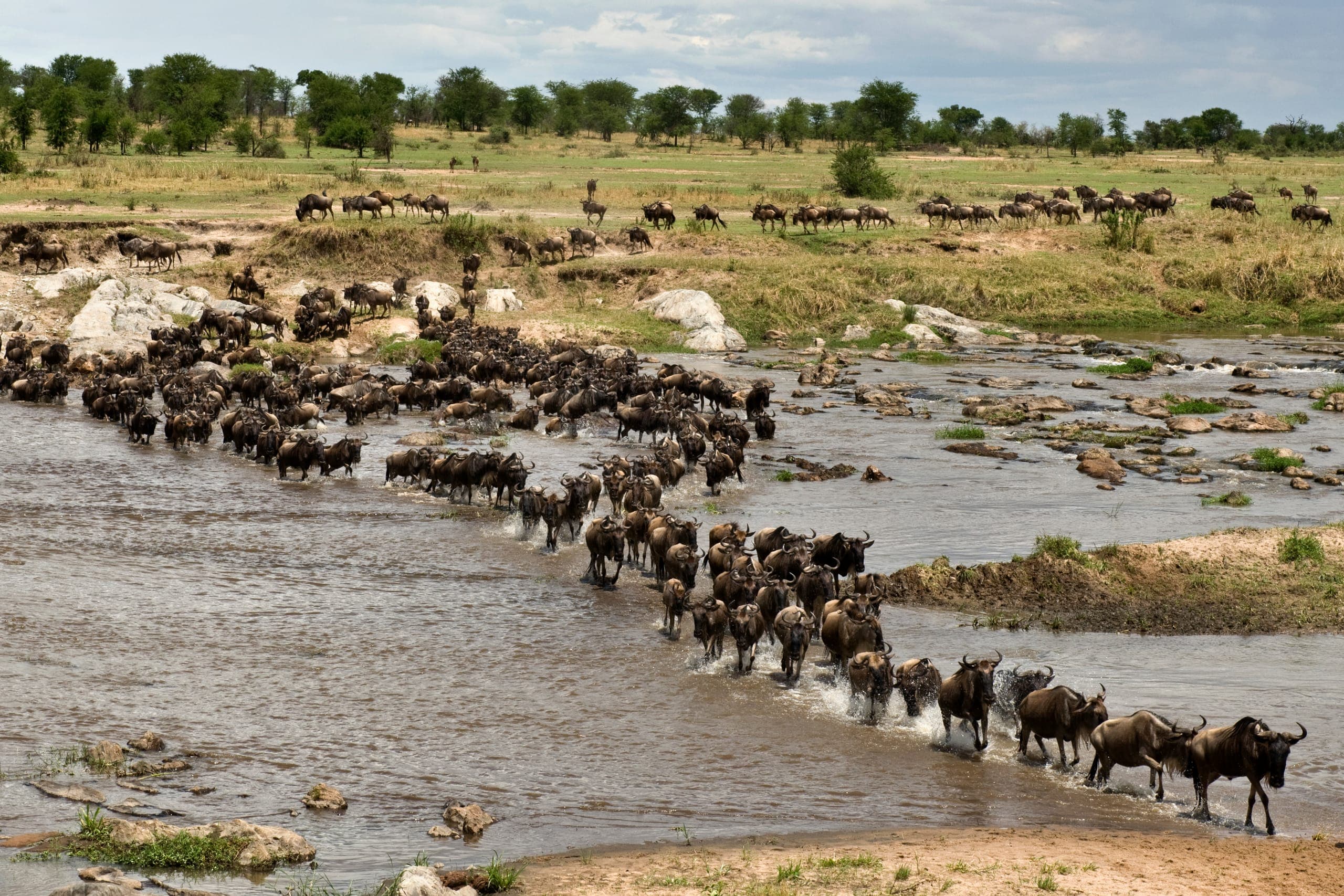
The southern plains and Ndutu area are most relevant from December to March, when the short-grass plains attract the wildebeest for calving season. This is one of the most visually dramatic periods in the Serengeti vast herds concentrated on flat open ground, with predator activity high. The central Seronera area has strong year-round game viewing anchored by resident lion prides, leopards, and reliable water at the Seronera River. The northern Serengeti, specifically the Kogatende and Lamai areas near the Mara River, becomes the main draw from July to October, when large wildebeest herds are crossing between Tanzania and Kenya.
Fly-in versus drive-in logistics make a material difference in the Serengeti. Driving from Arusha to the northern Serengeti takes most of a day. A domestic flight to an airstrip near the migration cuts that to under an hour. For journeys focused on the northern crossing season, flying is worth the additional cost.


CONSERVANCIES VERSUS MAIN RESERVE
Masai Mara, Kenya
The Kenyan extension of the Serengeti ecosystem sitting at the northern end of the migratory route.
The Masai Mara is the Kenyan extension of the Serengeti ecosystem and sits at the northern end of the migration route. The main reserve is managed by the Narok County Government. The surrounding private conservancies including Mara North, Olare Motorogi, Naboisho, and about a dozen others are managed through agreements between Maasai landowners and safari operators.
The distinction between the main reserve and the conservancies matters for planning. In the main reserve, anyone with a park entry fee can access it, vehicle numbers are unrestricted at sightings, and off-road driving and night game drives are not permitted. In the conservancies, access is limited to guests of camps within that specific conservancy, vehicle limits at sightings are enforced, off-road driving is permitted, and night drives and walking safaris are available.
The conservancies do not replace the reserve; they sit alongside it, and guests staying in a conservancy can still make day visits into the main reserve. For travelers who want a more private, less crowded experience and the flexibility that comes with conservancy rules, a conservancy camp is the better base. For travelers who are primarily focused on river crossing season and want to be inside the main reserve boundary, the choice of location within the reserve matters more than the conservancy-versus-reserve question.
Peak crossing season in the Mara typically runs from July to October, though the exact timing varies by year. Herds can begin arriving at the Mara River as early as June in some years.

SELF-CONTAINED CALDERA ECOSYSTEM
Ngorongoro Crater, Tanzania
Ngorongoro is a collapsed volcanic caldera roughly 19 kilometres across and 600 metres deep that functions as a self-contained ecosystem. The crater floor supports a resident population of lion, elephant, black rhino, buffalo, wildebeest, zebra, and hyena, all within a concentrated and highly viewable landscape.
It is one of the few places in Africa where black rhino sightings remain reasonably reliable. The predator-to-prey ratio inside the crater is among the highest anywhere on the continent.
Ngorongoro is best used as one component of a broader Tanzania journey rather than a standalone destination. A single night based on the crater rim and one game drive on the floor is a reasonable allocation. More time is rarely necessary. The crater is not a wilderness experience; it sees significant visitor traffic, particularly in peak season, and the game drives feel more concentrated than in the open Serengeti. That is a trade-off worth naming honestly.


TREE-CLIMBING LIONS & CHANNELS
Queen Elizabeth National Park, Uganda
Around 2,000 square kilometres of savannah, wetland, and forest across the Albertine Rift Valley.
Queen Elizabeth is Uganda's most visited wildlife park and covers around 2,000 square kilometres of savannah, wetland, and forest across the Albertine Rift. The park's southern Ishasha sector is known for its tree-climbing lion population lions that habitually rest in the branches of large fig trees, a behaviour documented nowhere else in East Africa with the same regularity.
The Kazinga Channel, a natural waterway connecting Lake Edward and Lake George, runs through the centre of the park. Boat trips on the Kazinga are among the best wildlife-from-water experiences in Uganda; elephant, hippo, buffalo, and an exceptional density of waterbirds are consistently present along the banks.
Game drives in the northern Kasenyi Plains and the Ishasha sector in the south give the park geographic and experiential variety. Queen Elizabeth works well in combination with Kibale National Park (two to three hours north) and as the penultimate stop before Bwindi on a southwestern Uganda circuit.

THE VICTORIA NILE ESCARPMENT
Murchison Falls National Park, Uganda
Murchison Falls is Uganda's largest national park at around 3,840 square kilometres. It is bisected by the Victoria Nile, which crashes through a narrow seven-metre gap at Murchison Falls before spreading into a broad delta downstream towards Lake Albert.
The park is less visited than Queen Elizabeth but has strong game viewing, particularly in the northern sector around the Nile where elephant, giraffe, buffalo, lion, and leopard are resident. Boat trips from Paraa to the base of the falls are a standard and reliable activity; the Nile here is dense with hippo and crocodile, and the falls themselves are among the most powerful on the continent.
Murchison suits travelers who want Uganda wildlife without the crowds that sometimes concentrate around Queen Elizabeth. It is most logically combined with Budongo Forest for chimpanzee trekking and Ziwa Rhino Sanctuary the only place in Uganda where wild white rhino can be tracked on foot on the drive from Kampala.


AT THE FOOT OF KILIMANJARO
Amboseli, Kenya
World-famous large elephant herds moving against the majestic backdrop of Mount Kilimanjaro.
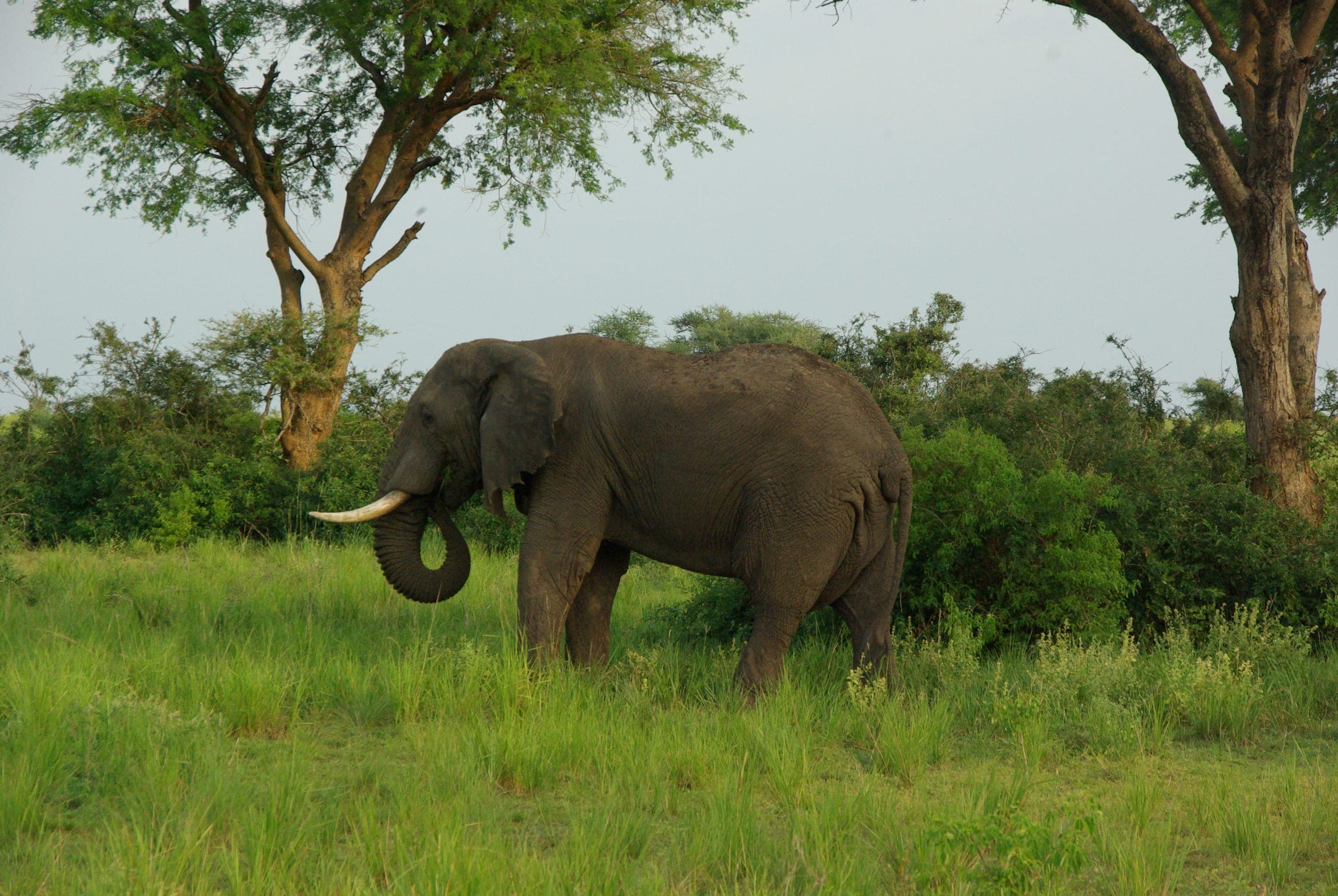
Amboseli sits at the foot of Kilimanjaro, and on a clear day the mountain dominates the entire horizon, a backdrop unlike anywhere else in East Africa. The park is famous for its large elephant herds, which are among the most studied in Africa, and for the open, short-grass plains that make for excellent game viewing without thick vegetation obscuring sightlines.
Amboseli is a short-stay destination. Two nights is typically the right allocation, long enough to spend meaningful time with the elephants and to have a reasonable chance of a clear Kilimanjaro view, but not so long that the limited game variety becomes apparent. It works well at the start or end of a Kenya journey.

ANCIENT BAOBABS & ELEPHANT CONCENTRATION
Tarangire, Tanzania
Tarangire is consistently undervalued by first-time Tanzania visitors. The park protects an unusually high density of elephants, and during the dry season (June to October) the Tarangire River draws large concentrations of wildlife including oryx, eland, wildebeest, and buffalo. The landscape is dominated by ancient baobab trees, one of the most visually distinctive environments in East Africa.
Tarangire is quieter than the Serengeti and much less crowded than Ngorongoro. For travelers who want strong, unhurried game viewing outside the main tourist circuits, it is one of the better-value decisions in a Tanzania journey. It combines naturally with Lake Manyara and Arusha as a northern Tanzania opening leg before continuing to the Serengeti.

THE AUTHENTIC OFF-CIRCUIT REMOTENESS
Kidepo Valley, Uganda
Uganda's most isolated national park located in the far northeast semi-arid savannah near South Sudan.
Kidepo is Uganda's most remote national park, located in the far northeast near the South Sudan border. It is genuinely isolated; the road journey from Kampala takes eight to nine hours or requires a domestic charter flight. That remoteness is the point.
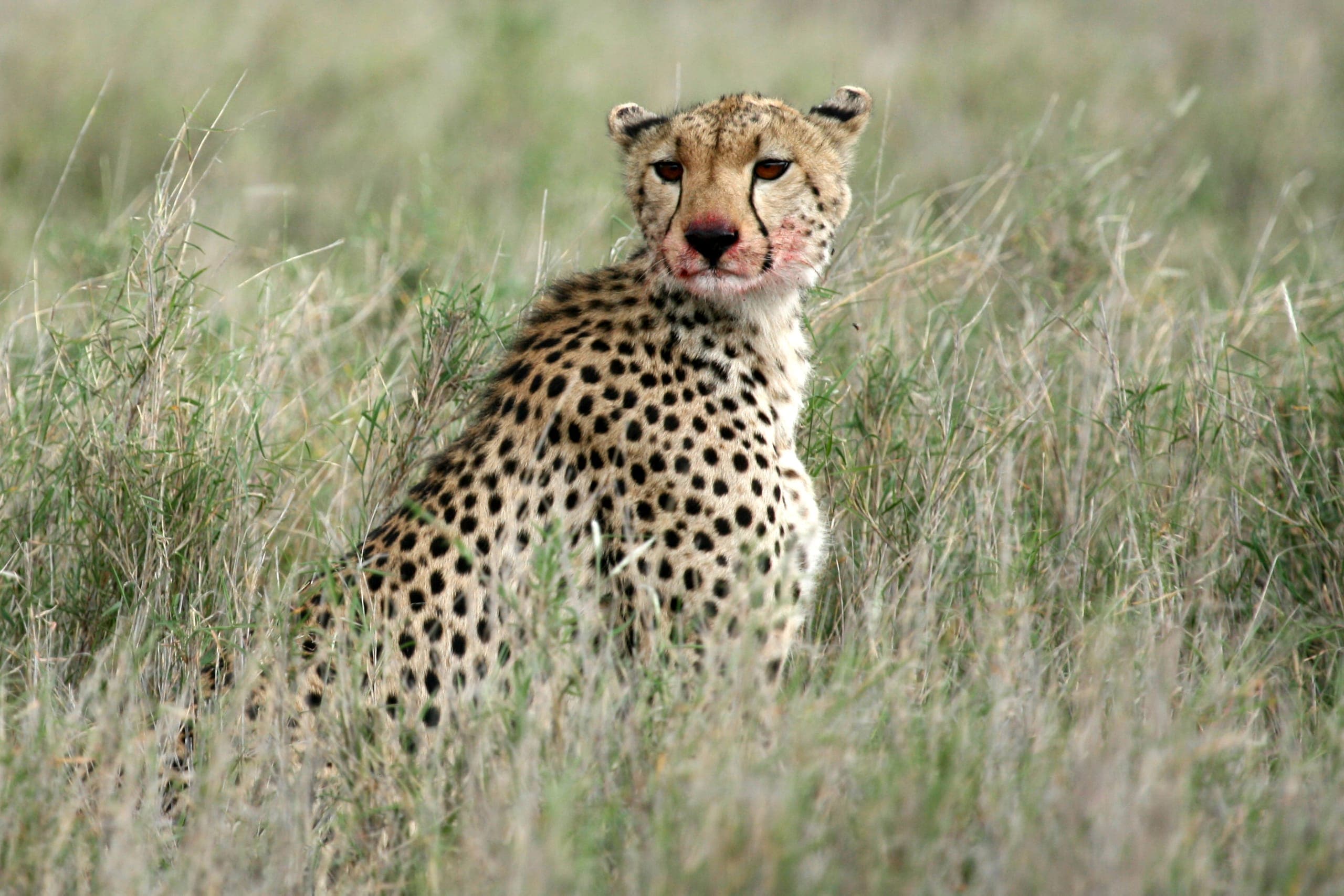
The landscape is semi-arid, open, and unlike anything else in Uganda. Kidepo has species not found in the country's other parks, including cheetah and Burchell's zebra. Visitor numbers are among the lowest of any major park in East Africa. For travellers who want something that feels authentically off the main circuit, Kidepo is a strong choice but it requires a dedicated journey and is not easily combined with other Uganda destinations without significant travel time.


READY FOR ADVENTURE
Talk to a Travel Designer
Begin planning your bespoke wildlife and safari journey. Our designers will handle every detail of your safari.
SPEAK TO AN EXPERT