Cost Planning
Masai Mara Safari Costs
Park fees · Conservancy fees · Accommodation tiers
Understanding the Price Structure
The Masai Mara is not a cheap destination, and the total cost of a well-structured visit can surprise travellers who are pricing a trip for the first time. But the price structure is logical once the components are understood.
This guide breaks down the main cost elements of a Masai Mara Journey, including park fees, conservancy fees, accommodation, flights, and optional activities. It also explains what drives the price differences between trips.
Prices and operating rules change; reconfirm them before issuing a quote or taking payment. Pair this with the Masai Mara accommodation guide and getting to the Masai Mara guide to build a realistic trip budget.
Related Guides
What You Are Paying For
A Masai Mara journey that costs significantly more than another itinerary of the same duration is not always better. But it usually reflects:
- ›Accommodation in a smaller, better-located conservancy camp rather than a main reserve lodge
- ›A higher-quality, more experienced guide
- ›Activities (night drives, walks, off-road) not available in the main reserve
- ›A conservancy fee that supports Maasai landowners
- ›More personalised service and a more controlled experience
Understanding these distinctions helps make better decisions about where to allocate budget, and where a cheaper option is genuinely equivalent rather than inferior.
Park Entry Fees
Narok County Government, not Kenya Wildlife Service, administers entry charges for the Masai Mara National Reserve. The Mara Conservancy collects fees for the Mara Triangle under its agreement with the County.
The current published schedule uses a 12-hour ticket from 6am to 6pm, regardless of entry time. The published non-resident rate is USD 100 per adult from January through June and USD 200 from July through December. The child rate is USD 50 for ages 9 to 17; children aged 8 and under are free. Identification requirements apply. See the Narok County Finance Act fee schedule (opens in a new tab) and Mara Triangle conservation-fee rules (opens in a new tab).
Entry fees are not optional when the itinerary enters the reserve. They may be prepaid, included in the accommodation quote, or collected separately. The number of tickets depends on the itinerary and ticket validity, not simply the number of accommodation nights.
Narok County's Tourism and Wildlife Department is responsible for conserving and managing the reserve. Mara Triangle revenue is distributed under the County's agreement with the Mara Conservancy and its revenue-collection partner; it should not be described as Kenya Wildlife Service revenue.
Conservancy Fees
Conservancy fees apply to stays or activities in the relevant conservancy. National-reserve entry is a separate charge only when the itinerary enters the reserve; it is not automatically due on every conservancy night.
Conservancy fees vary by conservancy, property, guest category, and season. The wider Mara model includes landowner lease payments, but the allocation of a particular guest fee must be verified with the conservancy or operator before making a direct community-benefit claim.
When comparing a conservancy camp at a higher rate against a main reserve lodge at a lower rate, factor in what the conservancy fee includes in terms of activities (night drives, walks, off-road driving) as well as the conservation contribution.
Accommodation Costs
Accommodation is the largest cost component of most Masai Mara itineraries. The range across the ecosystem is wide.
More accessible price points: Larger main reserve lodges and some tented camps cost less, particularly outside peak season. These provide the core game drive experience with more limited privacy and activity options.
Midrange: Well-managed camps in the main reserve or smaller conservancies, offering a solid game drive experience with reasonable comfort. Guiding quality varies.
Luxury: Camps and lodges that justify a higher rate through a strong combination of location, guiding, privacy, flexibility, service, and appropriate comfort. Not every Luxury property includes the same activities.
Prices vary significantly by season, with high season (July-October) commanding premium rates at most properties and green season (November-June, excluding festive period) offering meaningful discounts.
Flights
Flying to the Mara from Nairobi often preserves more time in the field on a shorter Journey. Road time varies by gate, traffic, weather, and camp access, so it should be planned as most of a travel day.
AirKenya and Safarilink publish daily scheduled services from Wilson Airport to Mara airstrips. Published sector times vary by flight and describe the first stop; multi-airstrip routing can change the actual arrival time. Charter availability and value depend on the date, aircraft, passenger load, and baggage requirement.
Key costs to factor:
- ›The scheduled flight fare per person (varies by operator and season)
- ›Luggage weight limits: AirKenya and Safarilink currently publish a 15-kilogram total allowance, including hand baggage, in soft bags for Mara services. Confirm excess-baggage and storage arrangements with the chosen operator.
- ›Ground transfers between Nairobi's international airport (JKIA) and Wilson Airport
Ask for a charter comparison when the group size, equipment load, or route makes a scheduled service impractical. Do not assume a passenger threshold without a current quote.
Optional Activities
Balloon safari: Operator rates and compulsory levies vary. As one current example, Governors' published 2026 rates (opens in a new tab) list an adult flight at USD 400 to USD 490 depending on date, plus separate landing, community-development, and medical-evacuation charges. Use the selected operator's complete written quote rather than this example as the sale price.
Cultural visits: Some camps arrange Maasai community visits at no additional charge; others charge separately. The better camps have genuine community relationships and the quality of the experience reflects this.
Specialist guiding: Some clients request a dedicated ornithological guide or specialist photography guide for their stay. This carries an additional cost but significantly improves the quality of a focused-interest visit.
Private vs Group Game Drives
Vehicle policy varies by property and rate. Some rates include shared drives, some include a private vehicle only above a stated party size, and some charge a supplement. The quote should state the arrangement explicitly because it changes both cost and flexibility.
Some camps offer genuinely private guide and vehicle arrangements regardless of group size. For solo travellers or couples, this is worth confirming. Some properties apply a single or couple's supplement to guarantee a private vehicle; others include it by default.
The Balloon Safari: Is It Worth It?
This is a question Zorani is frequently asked. The honest answer is: for many clients, yes, once.
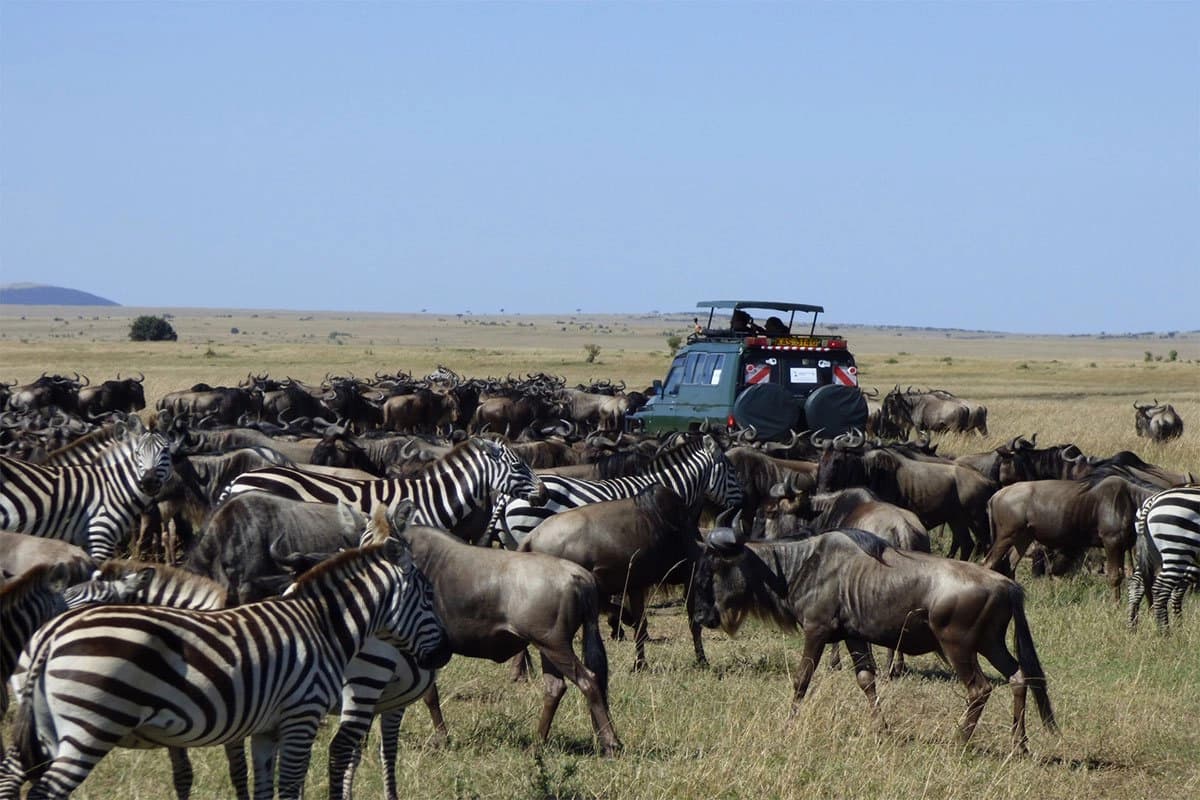
The aerial perspective over the Mara plains is unlike anything from a vehicle, particularly during migration season when the landscape is covered with wildebeest. The scale of the ecosystem becomes visible from the air in a way that ground-level driving cannot replicate. The post-flight bush breakfast, in the middle of the bush with wildlife around you, is a genuinely pleasant way to spend a morning.
It is also expensive, weather-dependent, and requires an early start. Clients who have done it once rarely feel compelled to repeat it. Those who have not tend to come away glad they did.
Value Considerations: Where to Spend, Where to Save
Not every client has unlimited budget, and there are logical places to prioritise spending and logical places to save without significantly degrading the experience.
Spend on guiding. The guide is the experience. A camp with an outstanding guide in an average location beats a spectacular camp with a mediocre guide. Do not compromise on this.
Compare operating style, not camp size alone. A small camp may feel quieter and more personal, while a larger lodge may suit families or travellers who value broader facilities. Guiding, vehicle allocation, location, and room configuration are the more useful comparison points.
Consider whether to include a balloon flight based on the length of your trip. A four-night stay can comfortably absorb a balloon morning. A two-night stay may not because the flight takes half a morning, which is meaningful when your wildlife viewing time is limited.
Green season rates offer genuine value. November-February rates at most camps are meaningfully lower than July-October. The experience is different but not inferior for many clients. If migration crossings are not a priority, a January or November visit at green season rates is often the best value proposition in the Mara.
Camp location matters more than room category. The difference between a standard tent and a superior tent at the same camp is smaller than the difference between a standard tent at a well-located conservancy camp and a suite at a poorly located main reserve lodge. Prioritise the right property before the right room type.
Frequently Asked Questions
Is the Masai Mara expensive compared to other Africa destinations? The Mara can sit at the higher end of a Kenya Journey, especially in migration season or at Luxury conservancy camps. A useful comparison needs the same dates, accommodation tier, vehicle basis, activities, flights, and mandatory fees; destination-level price claims without those inputs are unreliable.
Can I visit the Masai Mara on a budget? Zorani offers Luxury and Midrange options, not a Budget tier. Midrange properties can lower the Journey cost through simpler rooms, larger camp scale, shared vehicles, or a different location. The compromise should be clear in the quote.
Are there hidden costs I should plan for? The main items to watch are conservancy fees (confirm if included or charged separately), a balloon safari if desired (book and budget separately), inter-camp transfers for a multi-camp itinerary, and any tip budget. Tipping is customary in the Mara. Guides, camp staff, and drivers are typically tipped at the end of a stay.
How often should prices be rechecked? Park fees, conservancy fees, airline fares, balloon charges, and camp rates can change independently. Recheck every item before quoting and again before payment if the supplier has not guaranteed the rate.
Speak to a Zorani travel specialist for current pricing and an accurate trip quote.
Zorani Expeditions
Experience the Masai Mara
Every Zorani journey is tailored to the specific client. Let us build the right itinerary around your preferences.
Enquire Now