Plan a private Kenya safari
Kenya Safaris
Choose between the Maasai Mara, Amboseli, northern Kenya and the coast, then give each part of the route enough time to work.
Plan a Kenya safariStart with the kind of safari you want
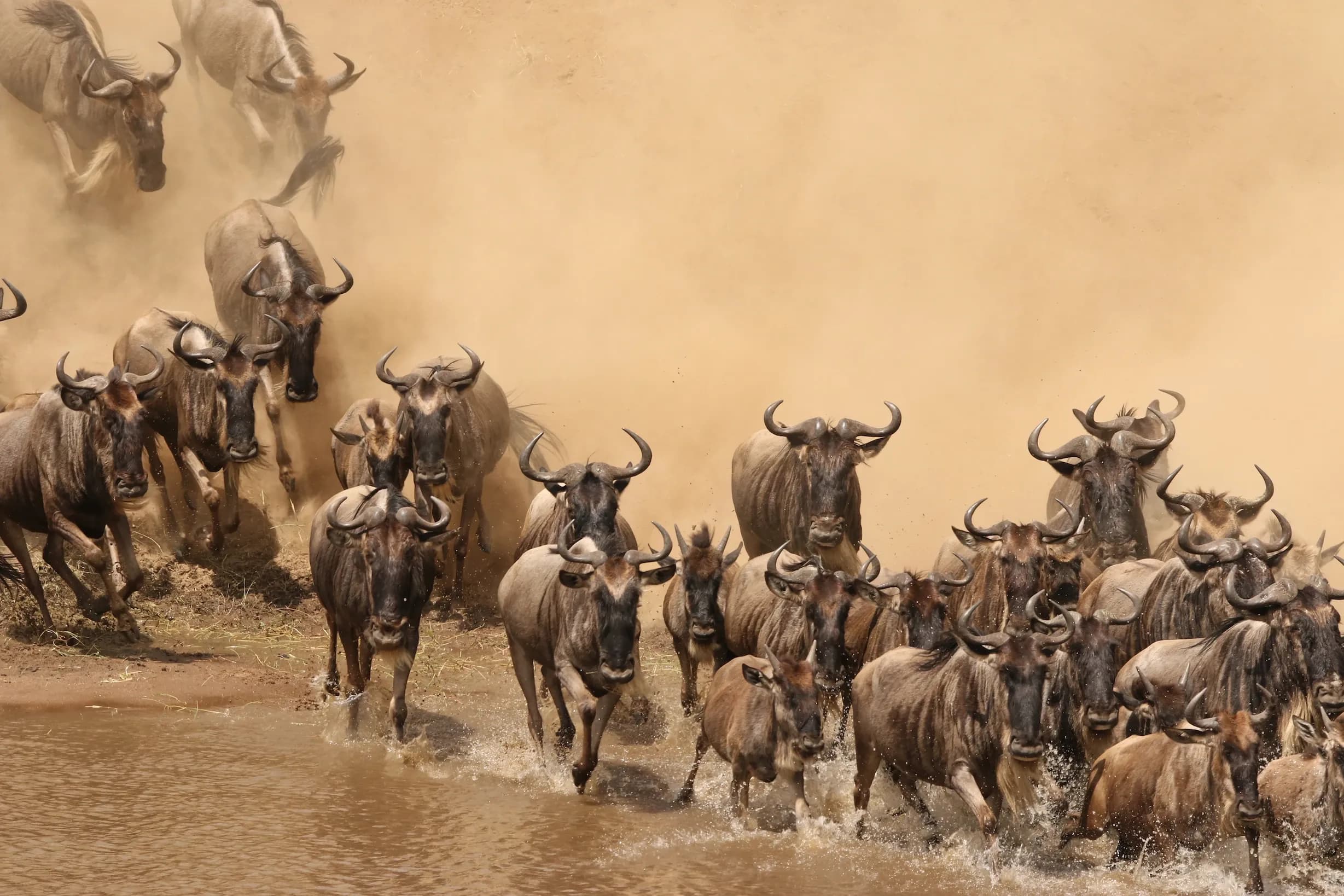
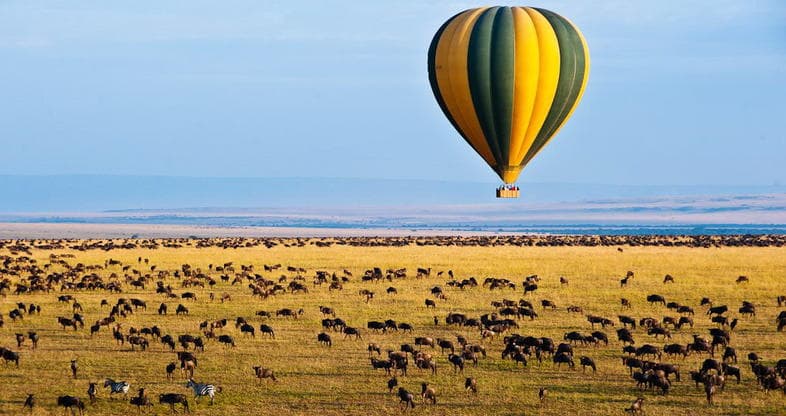
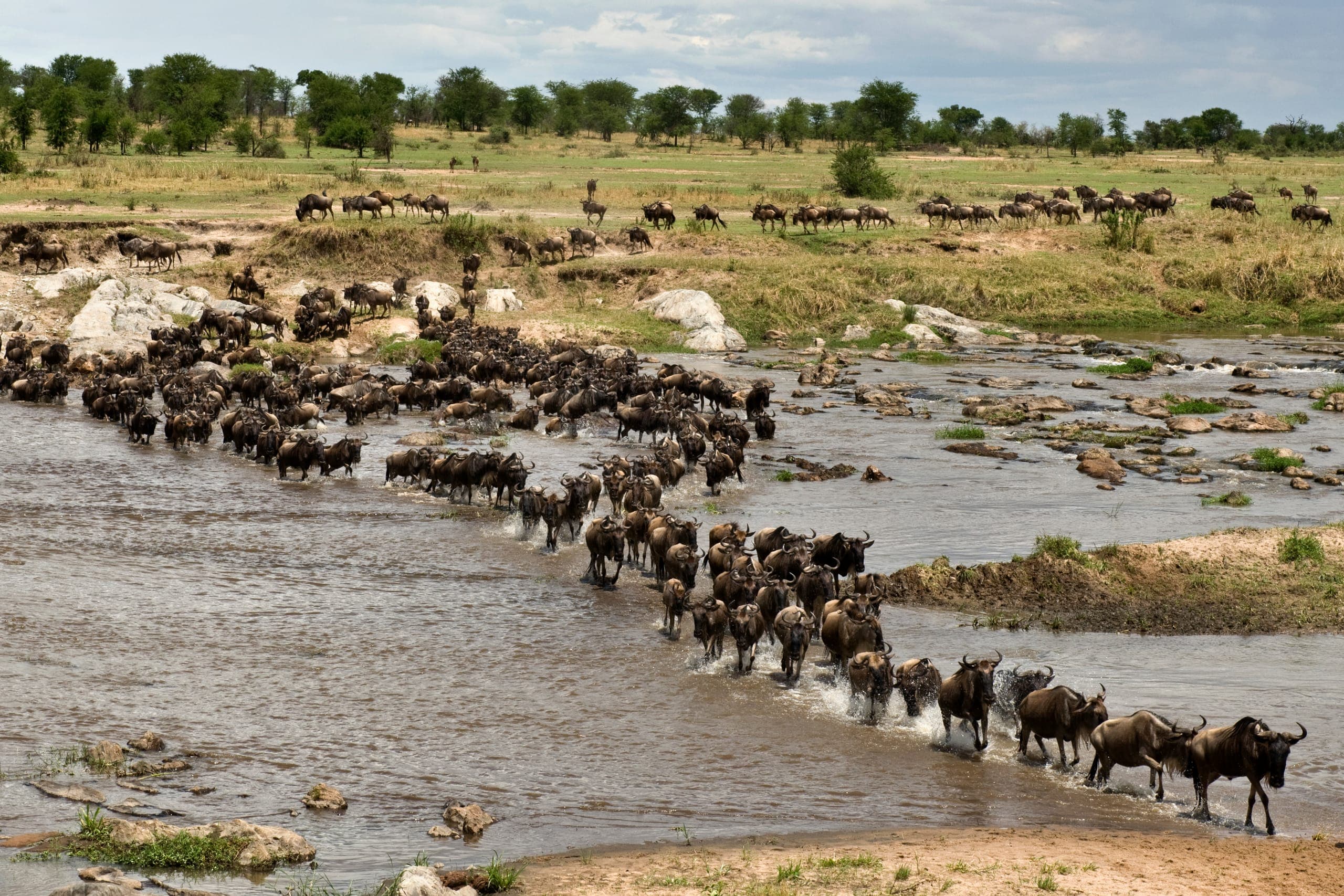
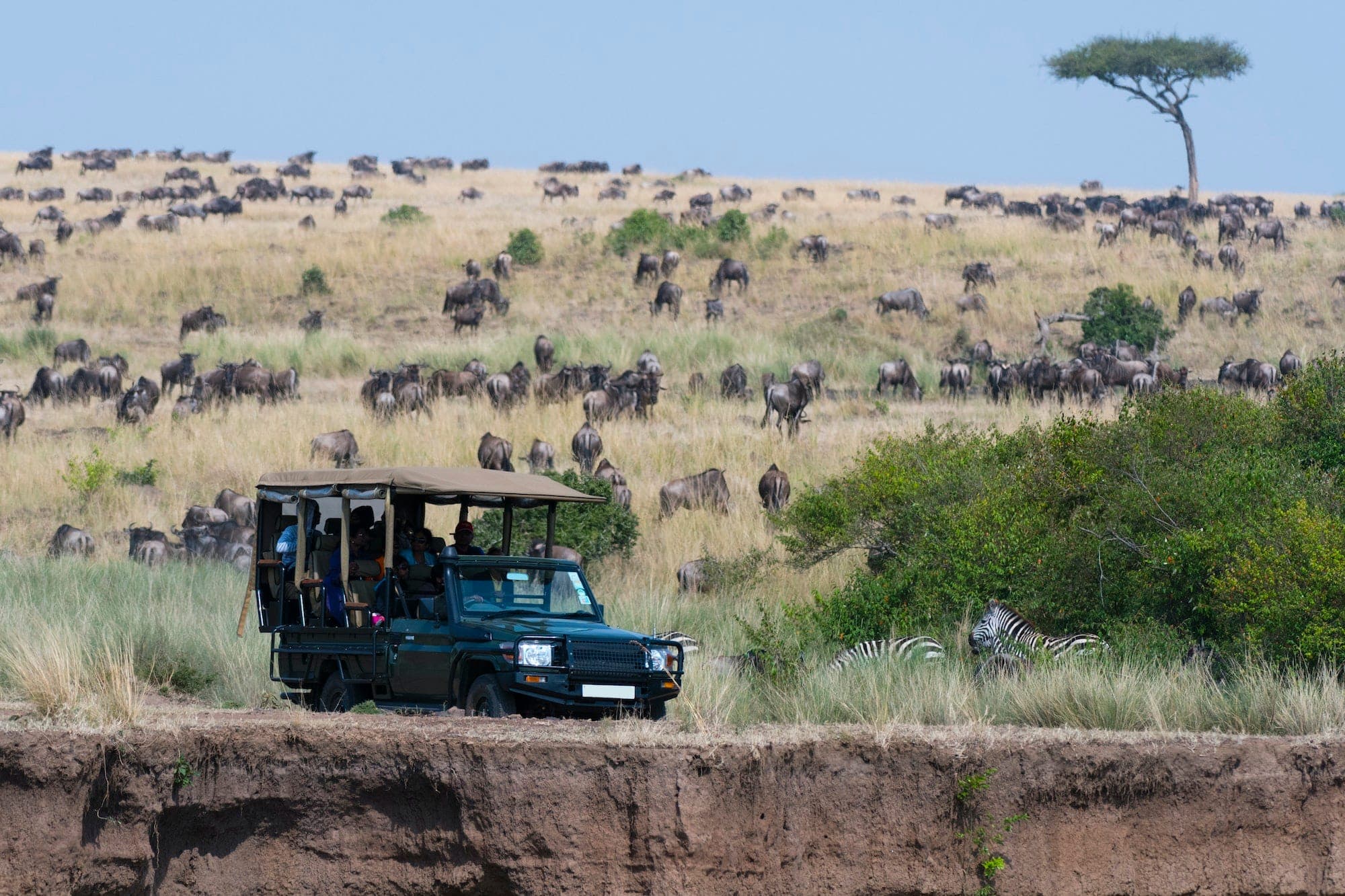
The Maasai Mara suits travellers drawn to grassland wildlife and, in the relevant season, the wider migration. Northern Kenya asks a different question: do you want drier country, distinctive northern species and a less conventional route?
Kenya rewards a route with a clear point of view. Trying to cover the Mara, Amboseli, Laikipia, Samburu and the coast in too little time makes the Journey spend more time in transit than in the places that justify the route.
ZORANI EXPEDITIONS
Plan your Kenya safari
Start with the area, season and wildlife priority, then decide how much movement the route can absorb.


Parks & Reserves
Kenya's parks and conservancies
Essential Information
How Long to Stay
A southern Kenya circuit covering Amboseli and the Masai Mara takes eight to ten days with a short domestic flight between the two. Seven days is possible but tight; the transfers and flight logistics eat into time in the field. Ten days allows for three nights in each location plus a night in Nairobi at either end without feeling rushed.
Adding a northern circuit (Laikipia and Samburu) to the southern circuit requires at least fourteen days for the combined journey to feel properly paced. Trying to cover all four regions in ten days results in a journey spent mostly in transit.
For travelers focused on the migration specifically, a dedicated five to six days in and around the Mara between late July and mid-October is a more practical minimum than a brief two-night visit. Migration or no migration, the ecosystem rewards longer time in the field.
A coast extension adds three to five days. Lamu warrants the longer end of that range. Diani can be done in three nights without feeling shortchanged.


Accommodation
The Masai Mara has the widest range of accommodation in Kenya, from large lodge properties inside the national reserve to small conservancy camps with six to twelve tents and exclusive land access. The difference in experience between a busy lodge inside the reserve and a conservancy camp outside it is significant: not just in quality but in the type of game viewing available. Conservancy properties at the mid-to-high end of the market are the better starting point for a first Mara visit.
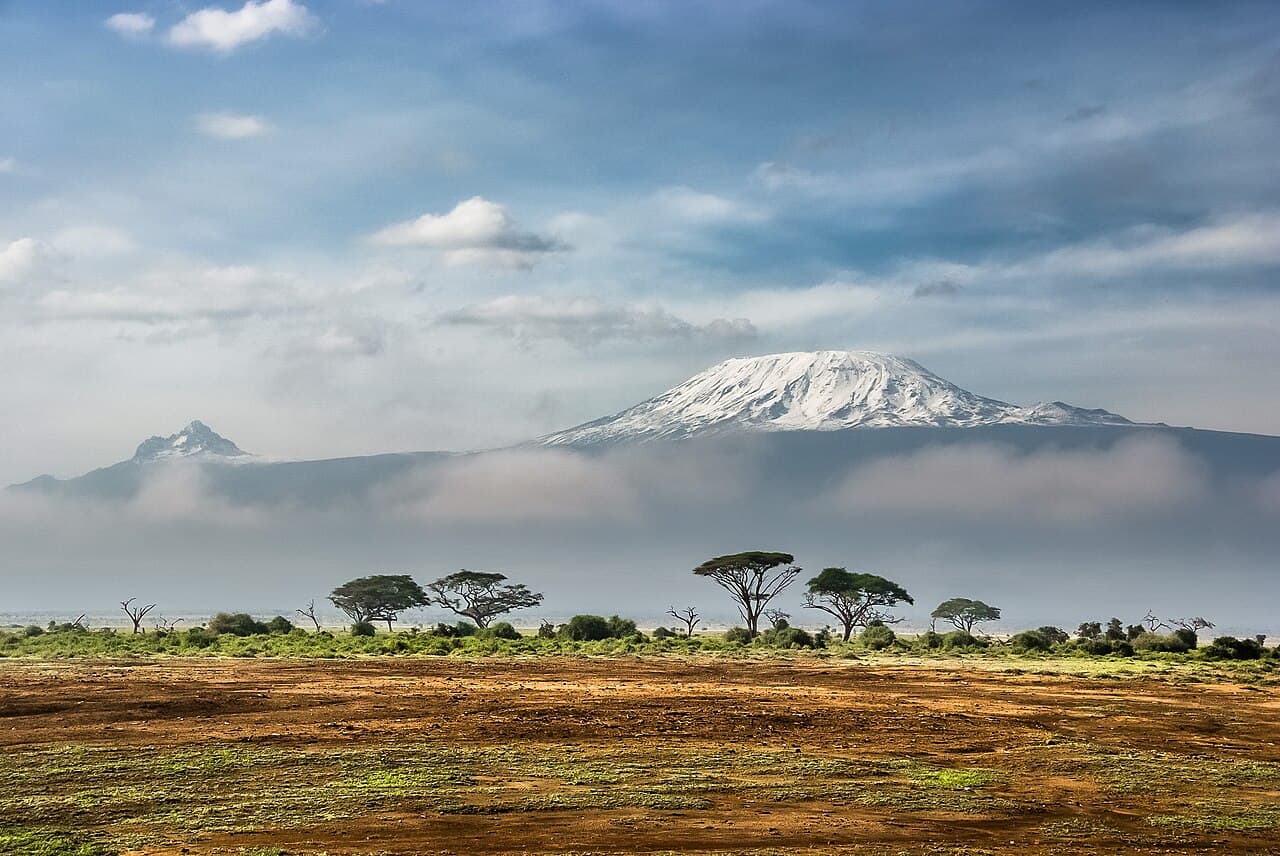
Amboseli has a smaller selection concentrated around the Ol Tukai area and the park edges. Standards have improved across the board, and the best properties here position guests close to the swamps where elephants move in the early morning and late afternoon.
Laikipia's accommodation is more varied in style and philosophy than any other Kenya region. Some properties are large working ranches with a lodge attached. Others are small, design-focused camps. The conservancy model matters here: who owns the land, how the community benefits, and how tightly vehicle numbers are managed all affect the experience directly.
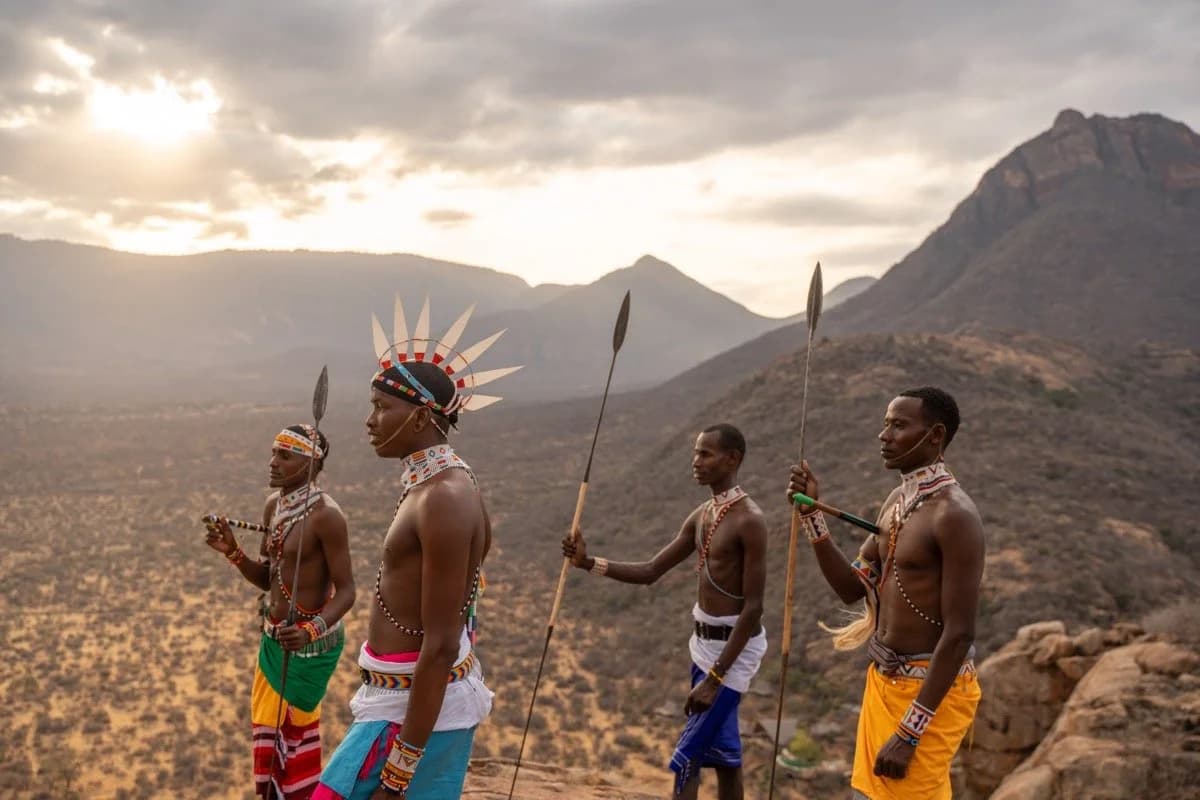
Samburu's main camps sit along the Ewaso Ng'iro River and range from Midrange tented camps to Luxury river lodges. The river position is the key feature; properties away from the water tend to see less wildlife action.
Frequently Asked Questions
How do I get around Kenya on a safari?
The southern circuit (Nairobi, Amboseli, and the Mara) is typically covered by private vehicle and scheduled domestic flights. Road transfers from Nairobi to Amboseli take four to five hours on a good day; the Nairobi to Mara drive is five to six hours and not recommended unless a client specifically wants the road experience. Charter flights between destinations are faster and more practical for most Kenya journeys.
What is the difference between conservancy access and the main reserve?
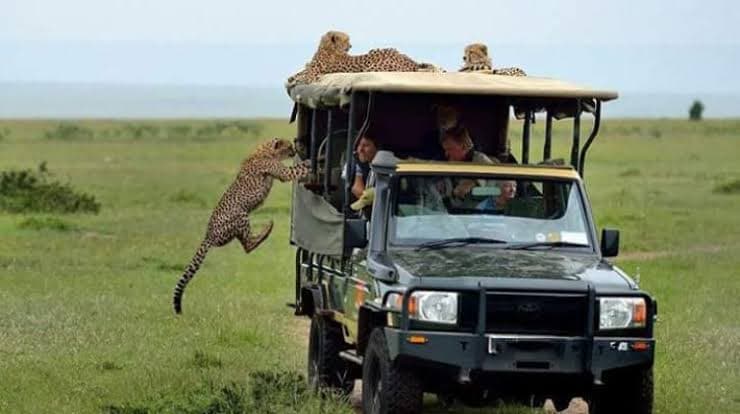
Private conservancy lodges outside the Mara reserve use their own vehicles and guides. Guests staying inside the reserve use reserve vehicles. The activity options, guide quality, and overall experience are different. This distinction should be communicated clearly at the planning stage.
What are the health and vaccination requirements?
Yellow fever vaccination is required for travelers arriving from or transiting through yellow fever-endemic countries. Malaria prophylaxis is recommended for all savannah regions including the coast. The Nairobi city centre sits at altitude and carries negligible malaria risk, but all wildlife areas should be treated as malaria zones.
What currency should I bring?
The Kenyan shilling is the local currency. US dollars are widely accepted at lodges, camps, and for tipping. Most properties accept major credit cards. Carry cash for smaller purchases and transactions in towns.
Do I need a visa for Kenya?
Kenya operates an electronic travel authorisation (eTA) system. Most international visitors apply online before travel. Requirements and processing times should be confirmed at the time of booking. Citizens of several East African Community member states do not require a visa. The East Africa Tourist Visa covers Kenya, Uganda, and Rwanda as a single permit for eligible nationalities.
Should I stay in Nairobi?
Most international flights arrive at Jomo Kenyatta International Airport. A night in Nairobi at the start or end of a journey is standard. The city has a strong restaurant and food scene. Some travelers choose a property on the Nairobi National Park boundary (where lion, rhino, and giraffe are sometimes visible from the garden) as a practical and more interesting alternative to a city hotel.
Plan Your Kenya Journey
We plan Kenya routes around seasonal timing, conservancy access, and the right sequence between the southern parks and the northern plateau, so that migration windows, rhino sightings, and coast extensions are built around what is actually possible, not what looks good on a brochure map.
Speak to a travel specialist