Tanzania · East Africa
Serengeti
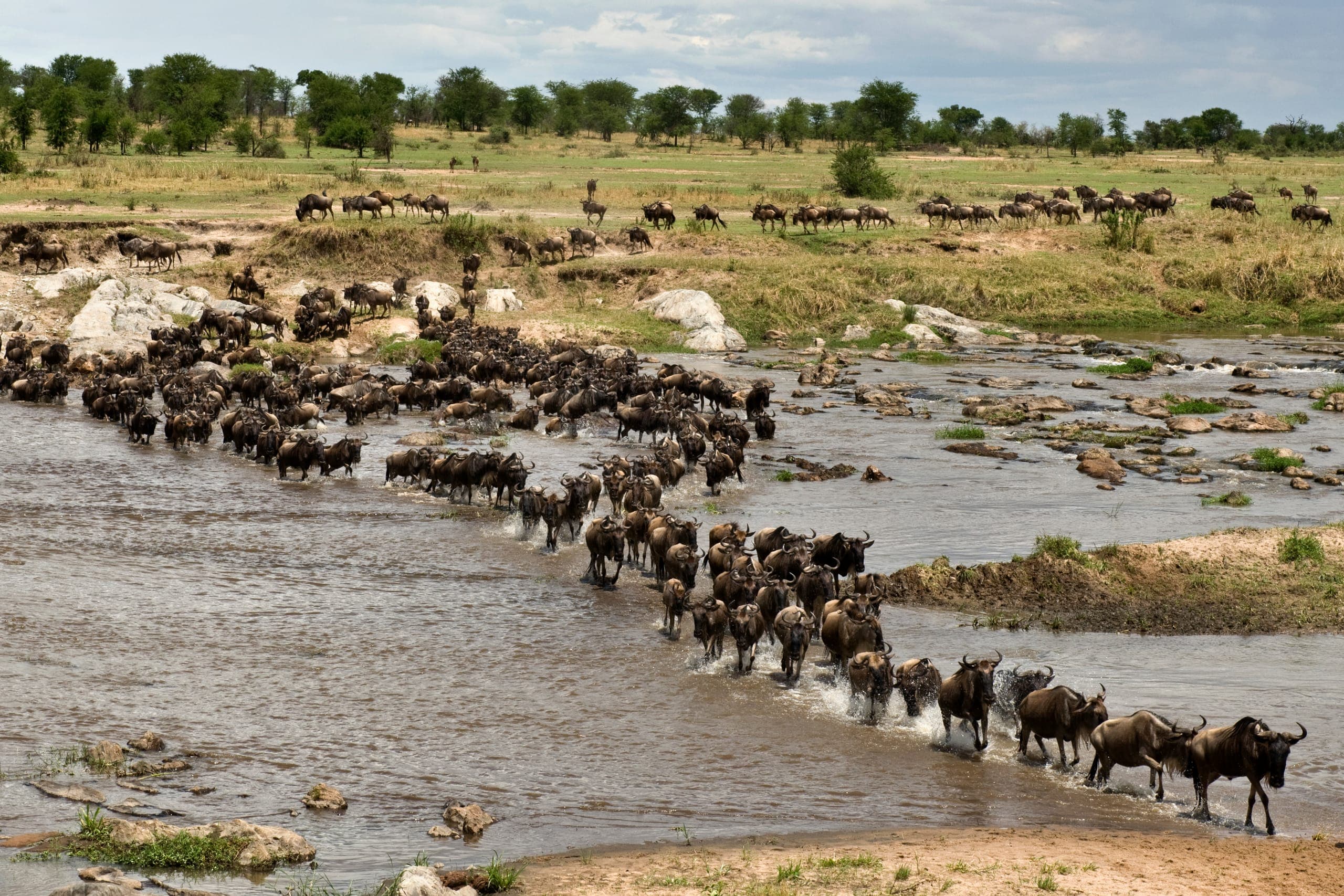
14,763 km² of ancient savannah. 1.5 million wildebeest. The world's greatest wildlife spectacle, running since before recorded history.
The Essential Serengeti Guide
The Serengeti is one of the oldest and largest intact savannah ecosystems on the planet. Covering 14,763 square kilometres in northern Tanzania, and extending into Kenya's Maasai Mara to form a broader ecosystem of roughly 40,000 square kilometres, it holds more large mammals per square kilometre than almost anywhere else on Earth.
What sets it apart is not spectacle alone; it is the sheer biological scale. Approximately 1.5 million wildebeest, 300,000 plains zebra, and 500,000 Thomson's gazelle complete an annual Great Migration circuit tracked by more than 3,000 lions, cheetahs, and leopards.
The park was gazetted in 1951 and designated a UNESCO World Heritage Site in 1981. The Serengeti rewards patience and planning, and selecting the right lodges across different regions is crucial. This guide covers all of it.
ZORANI EXPEDITIONS
Plan your Serengeti safari
Guidance on when to go, what it costs, where to stay, and how to build a route around the season and your priorities.


Itinerary Frameworks
Planning your
Serengeti route
These are framework itineraries, each designed to be tailored based on travel dates, budget, and the migration position at the time. Consider exploring Specialized Safaris or reviewing the Logistics & Costs when planning.
Serengeti Focus
Travellers adding Serengeti to an existing Tanzania journey. Central Serengeti camp, full-day game drives.
Northern Circuit Core
A first Tanzania journey. Tarangire → Ngorongoro → Serengeti, positioned by migration timing.
Migration-Led Journey
Calving season (Jan–Mar) in the south, or river crossings (Jul–Oct) in the north. Best probability for the signature event.
Classic Northern Tanzania
Comprehensive circuit covering Tarangire, Ngorongoro, and dual positioning in the Serengeti for seasonal overlap.
Beach and bush
Wildlife circuit followed by 3 to 4 nights in Zanzibar. Suits travellers who want a coast extension after time in the field.
Luxury Fly-In
All-aircraft, no road driving. Maximum efficiency. Private vehicle throughout. Best for high-demand July–October season.
Migration Planner
The Migration Calendar
The wildebeest are always moving. Click any month to see where they are and what they are doing.
Jan
Calving Preparations
Excellent
Migration Location
Southern Serengeti · Ndutu
Key Highlights
- First calves born
- Cheetah hunting peaks
- High predator density
Where to Stay
Ndutu area camps
Season Rating
Event Type
The Regions
Explore the Serengeti
Central Serengeti
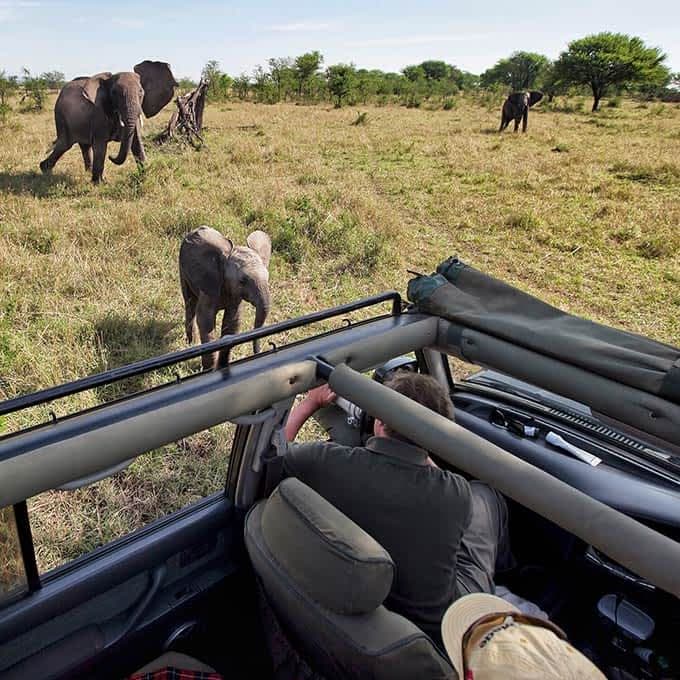
Seronera is the park's administrative centre and most reliable wildlife area. It sits at the heart of the Serengeti and acts as a year-round wildlife zone: the most appropriate choice for visitors with travel dates that do not align precisely with migration windows.
The Seronera River system creates a permanent water source that draws wildlife throughout the year. Large fig and acacia trees provide shelter for leopards: this is arguably the best year-round leopard-watching area in the Serengeti.
Lion prides here are among the most studied in the world. Cheetahs, elephants, and a wide range of antelope are all present consistently.
Advantages
- + Most consistent year-round wildlife
- + Best leopard sightings in the park
- + Wide accommodation range
Limitations
- − Most visited: vehicle density high at kills
- − Not positioned for crossings or calving
Africa's Premier Safari Destination
Why the Serengeti
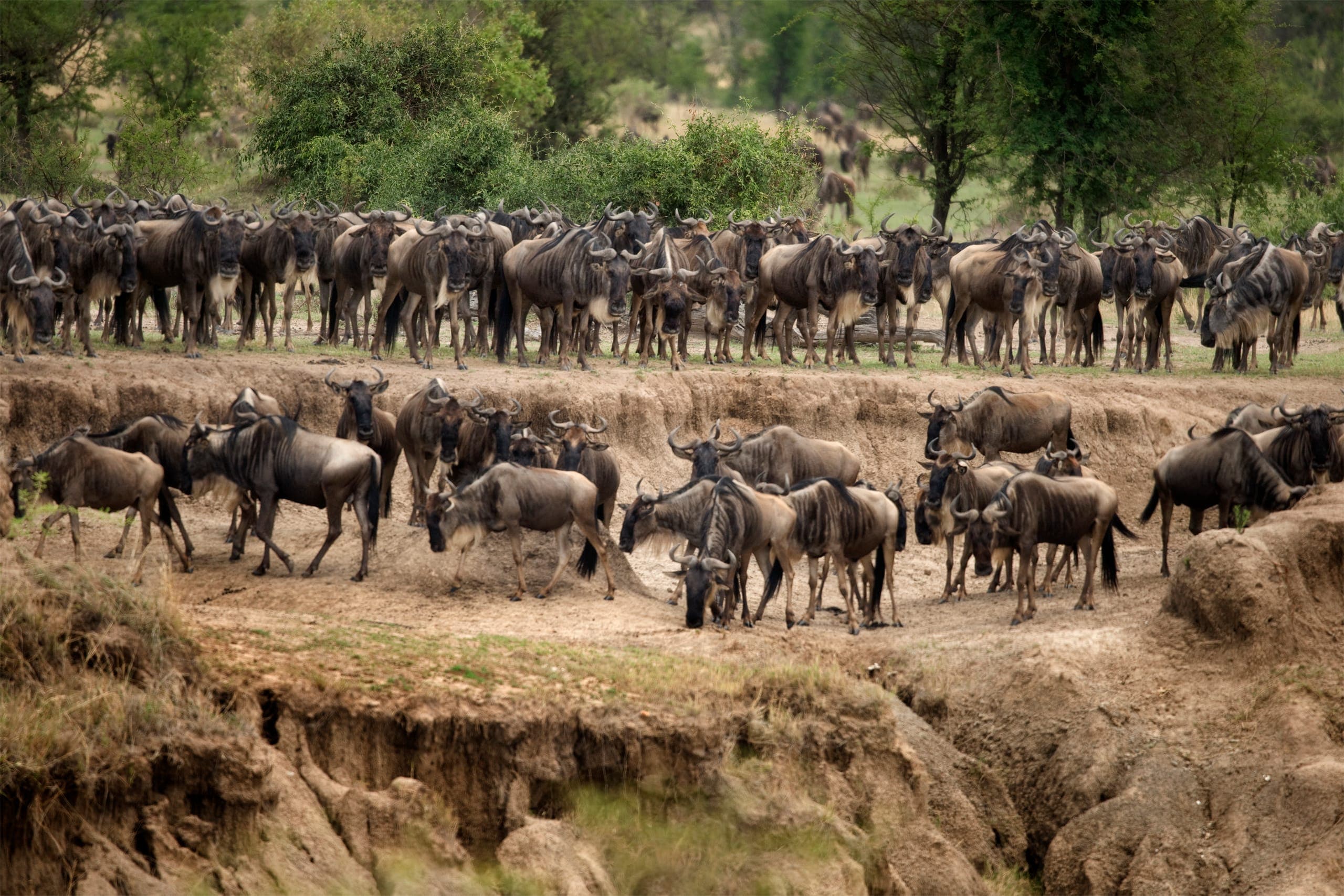
The Great Migration
A continuous cycle. 1.5 million wildebeest, 300,000 zebra, and 500,000 Thomson's gazelle following the rains, making up the greatest wildlife movement on Earth.

Predators by habitat
Lion, cheetah, leopard, spotted hyena, and other predators use different parts of the ecosystem. Their distribution changes with prey, water, weather, and territorial movement. Read more in our wildlife guide.
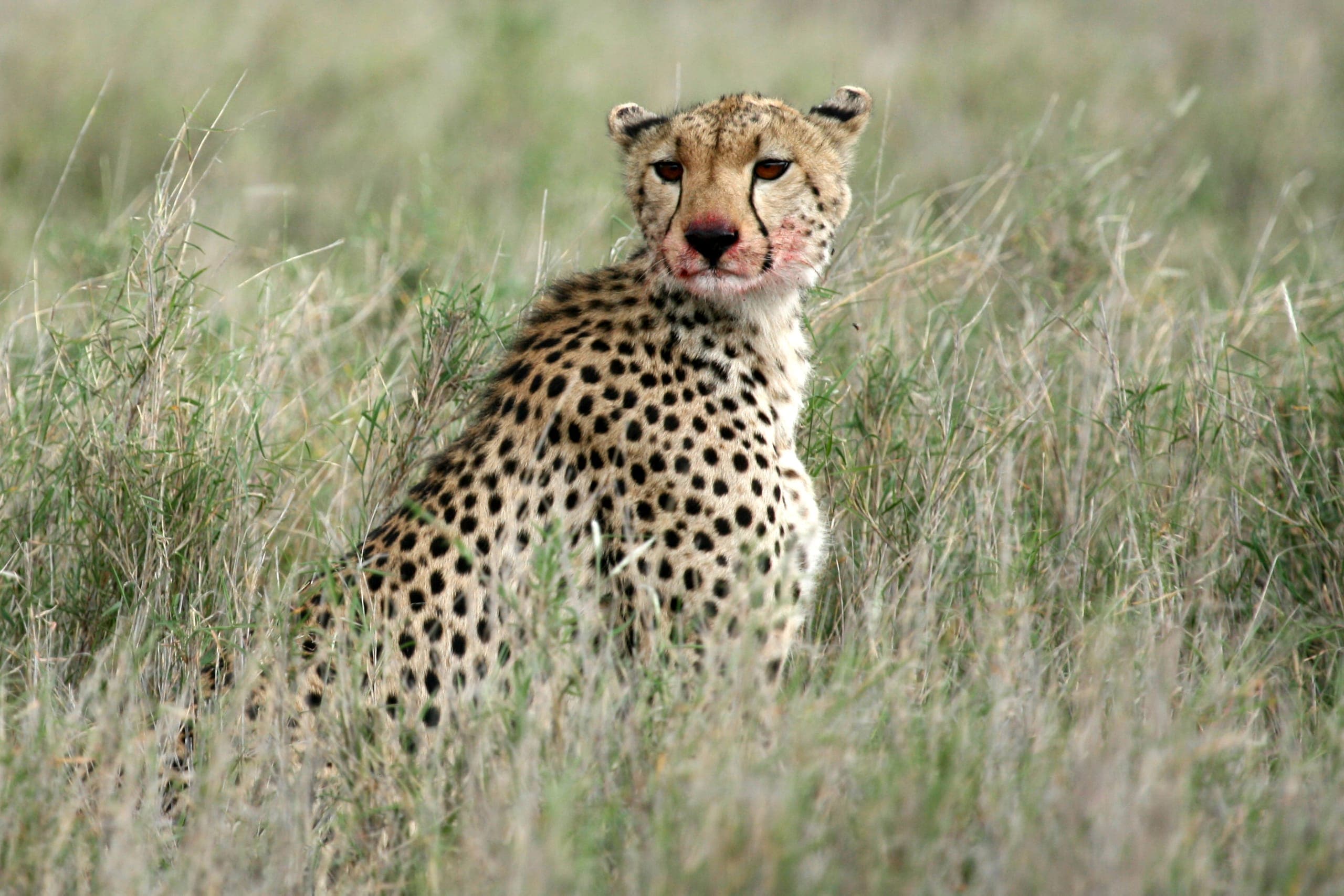
All of the Big Five
Lion, leopard, elephant, buffalo, and black rhino. All five present. The Seronera area delivers some of the most reliable big cat encounters in Africa, a true highlight of specialized safaris.

Conservation & History
Understanding the Ecosystem
Creation of the Park
The Serengeti's history as a protected area begins in 1929, when it was established as a game reserve. National park status followed in 1951. Designated a UNESCO World Heritage Site in 1981, it represents one of Earth's most significant intact ecosystems. Understanding these roots is an essential part of specialized safaris.
The Science of the Migration
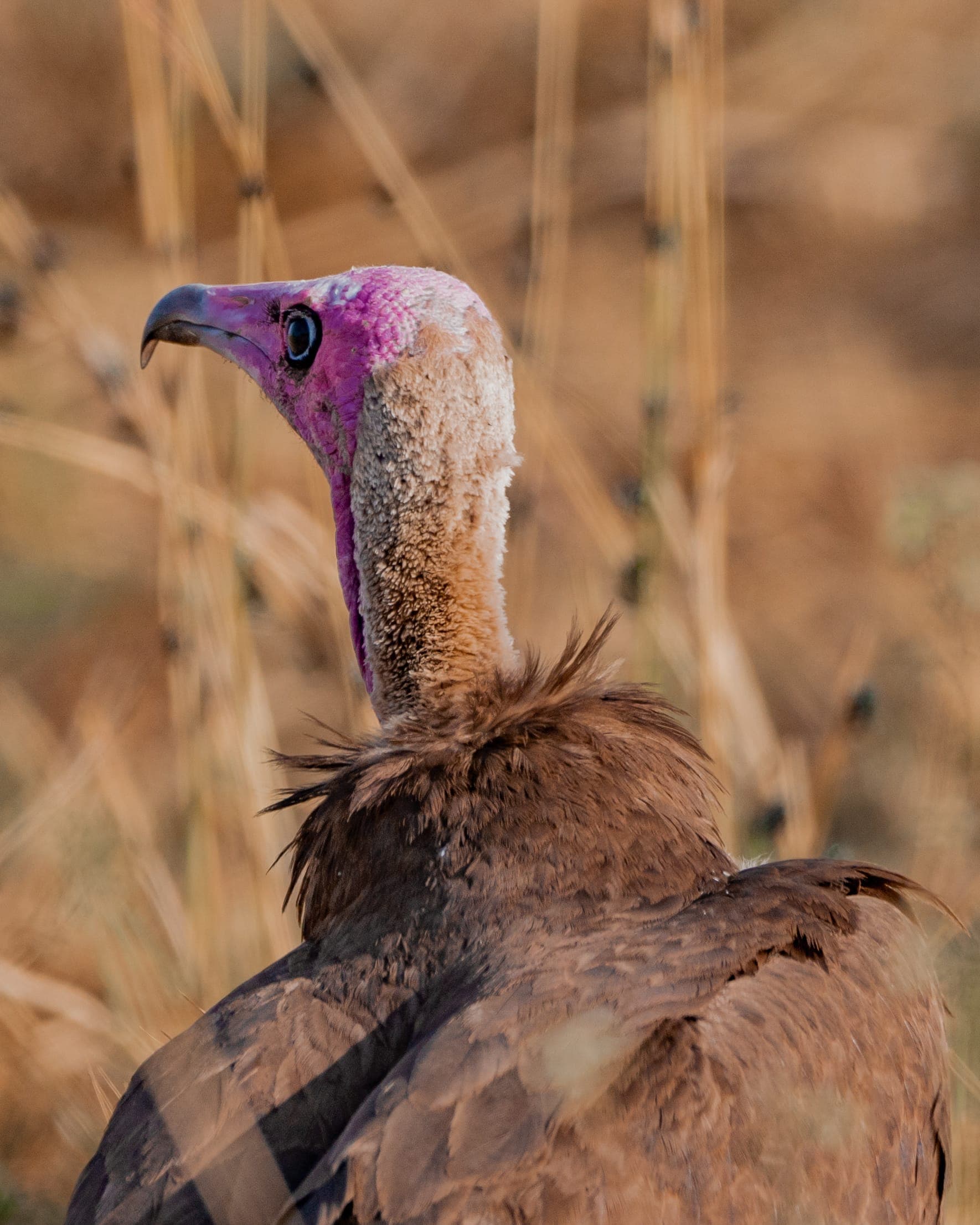
Wildebeest follow a 'green wave' of high-nitrogen grass that emerges in the wake of rainfall, a learned, nutritional response passed between generations. The annual death toll during the Great Migration is enormous: an estimated 250,000 wildebeest per year, feeding the ecosystem's vast network of scavengers.
Community Conservation
Operators we work with contribute to community benefit programmes including education, healthcare, and revenue-sharing. When selecting where to stay, the conservation credentials of the property matter just as much as the comfort.
Frequently Asked Questions
What is the best month to visit the Serengeti?
There is no single best month, the answer depends on what you want. February is the best month for calving season and cheetah encounters in the south. August is the peak month for Mara River crossings in the north. For general dry-season wildlife across the whole park, June through October is the strongest window.
Where exactly do the Mara River crossings happen?
The principal Tanzania-side crossing points are along the Mara River in the northern Serengeti, most commonly around the Lamai area and Kogatende. The same herds also cross further into Kenya's Maasai Mara. The crossings cannot be predicted to a specific location or date; herds hold on the bank for days and then cross in response to triggers that researchers still debate.
When does calving happen and where?
Calving in the Serengeti occurs primarily between late January and early March, with February being the peak month. The calving grounds are the short-grass plains of the southern Serengeti and the Ndutu area within the Ngorongoro Conservation Area. The proximity of this landscape to the Ngorongoro highland catchment means short, nutritious grass, exactly what pregnant wildebeest seek.
Is the Serengeti worth visiting outside of the migration?
Yes. The resident wildlife in the Serengeti, lions, leopards, cheetahs, elephants, buffalo, and a wide range of antelope, does not depend on the migration. The central Serengeti (Seronera area) is productive year-round. In fact, April and May when migration concentrations are lower often provide more private, intimate encounters with predators than the peak-season periods.
How many days do I need in the Serengeti?
The minimum for a meaningful experience is three nights. For a migration-focused journey with real probability of seeing crossings or significant calving action, five to seven nights in the Serengeti specifically is more realistic. The park is large; moving camps once during a longer stay is worth considering to cover different areas.
Can I see all of the Big Five?
All five are present. Lion, leopard, elephant, and buffalo are reliably encountered. Black rhino sightings are rare and should not form part of your expectation, the Serengeti's rhino population is very small. If rhino is a priority, the Ngorongoro Crater is the correct place to prioritise.
Which area of the Serengeti is best for first-time visitors?
Central Serengeti (Seronera) for a visit outside of July to September. It offers consistent wildlife year-round, good infrastructure, and reliable leopard sightings that other regions cannot match. For first-time visitors travelling July to September, the northern Serengeti is worth the more complex logistics to witness the Mara River crossings.
What is the difference between the Serengeti and the Masai Mara?
They share the same ecosystem and the same wildebeest herds. The key differences are country (Tanzania vs Kenya), vehicle density (the Mara typically has more vehicles at crossing points), and the broader circuits they sit within. The Serengeti offers more regional variation and a longer migration presence. The Mara has better road networks and shorter drive times between areas. Both can deliver outstanding wildlife experiences; the choice usually comes down to which country you are already visiting.
Are hot air balloon safaris worth it?
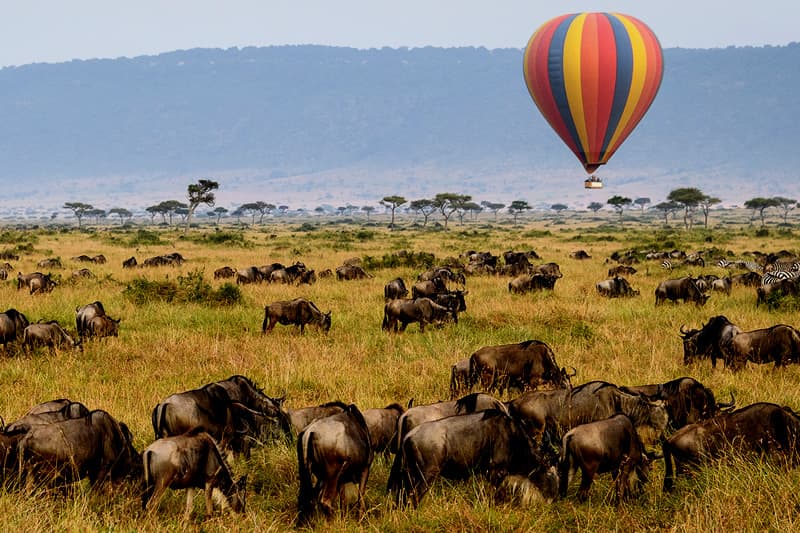
For most travellers on a five or more night Serengeti visit: yes. A balloon safari offers a completely different spatial perspective, the scale of the plains and migration herds from above is genuinely arresting. It should not replace a game drive; it complements it. The champagne bush breakfast on landing is a pleasant ritual.
Which lodges are closest to the Mara River crossing points?
Camps in the Lamai Wedge are the most directly positioned, some are within minutes' drive of principal crossing sites. Camps further south in the northern Serengeti offer good access but longer transfer times to the river. When selecting a camp for crossings, ask specifically about the drive time to the Mara River and whether vehicle access to crossing viewpoints is exclusive or shared.
Can I self-drive in the Serengeti?
Self-driving is technically permitted in the Serengeti for vehicles with four-wheel drive capability. In practice, it is not recommended for most international visitors. Roads in remote areas are poorly marked, navigation in the park's more remote regions is genuinely difficult, and without a guide's knowledge of wildlife locations and animal behaviour, sighting rates drop significantly. A private vehicle with a professional guide is the standard.
Is the Serengeti safe?
Yes, for correctly operated safari travel. Wildlife risks are managed by professional guides and established protocols, guests who follow their guide's instructions are not in danger. The health infrastructure in the park is limited (nearest hospitals are in Arusha), so comprehensive travel insurance with medical evacuation cover is essential, not optional.
When are crowds highest?
July, August, and September, peak crossing season in the north. February in the south during calving is also a peak demand period. Christmas and New Year add a separate premium-season surge that fills camps quickly. For the calmest experience, consider June or October in the main season, or January in the southern calving area before peak February demand.
Which airport should I use?
Kilimanjaro International Airport (KIA) near Arusha is the primary gateway for northern Tanzania and the most efficient choice for a Serengeti-focused journey. Julius Nyerere International in Dar es Salaam is the better option if your journey also includes Zanzibar, Ruaha, or southern Tanzania parks.
What should I pack?
Neutral-coloured clothing (khaki, olive, grey, brown) for game drives. Bright colours attract insects and can spook wildlife. A lightweight down jacket for cool mornings in the dry season, as temperatures in the northern Serengeti in July and August can be cold at dawn. Dust-proof bags for camera equipment. A headtorch. Basic medical kit including antihistamine and water purification tablets as backup. All prescription medications plus copies of prescriptions.
Is the Serengeti suitable for children?
Yes, with the right preparation. Most camps have a minimum age of five to six years for standard game drives. Children who are engaged with wildlife through books, documentaries, or naturalist interest typically have an exceptional experience. Very young children may find the driving and waiting between sightings difficult. Confirm camp minimum ages when booking.
How much does a Serengeti safari cost?
The cost depends on season, camp, vehicle arrangement, park nights, and internal flights. Zorani plans at Luxury and Midrange levels. Because accommodation and transport rates change, request a dated quote that separates park fees, transfers, activities, and any single supplements rather than relying on a generic daily figure.
Can I visit the Serengeti year-round?
Yes. The park is open year-round. The long rains (April to May) do close some roads and cause some camps to relocate or close, but the park itself remains accessible. Some months offer significantly better conditions than others: consult the monthly guide and best-time table in this document for planning.
Which area has the most lions?
Lion may be encountered in several Serengeti regions. Central Seronera provides year-round habitat and a broad road network, while the southern plains can become important when seasonal herds are present. Recent movement, rainfall, guiding, and time in the field matter more than a promise tied to one area.
What is the best first-time itinerary?
A seven to ten night northern Tanzania circuit covering Tarangire (three nights), Ngorongoro Crater (one to two nights), and the Serengeti (three to four nights), flying between stops. Position in the Serengeti based on the time of year, calving season (Jan–Mar) in the south, general wildlife (Apr–Jun) in the centre, river crossings (Jul–Oct) in the north. Close with three to four nights on Zanzibar if time permits.

Zorani Expeditions
Plan Your Serengeti Journey
Every Serengeti journey is different. The migration changes position monthly, the right camp for one traveller is not the right camp for another. Getting the details right matters.
Speak to a Specialist