Plan a private Tanzania safari
Tanzania Safaris
Choose the northern circuit, southern parks, western forests or a safari followed by Zanzibar according to the time and pace you want.
Plan a Tanzania safariChoose the route before the headline wildlife
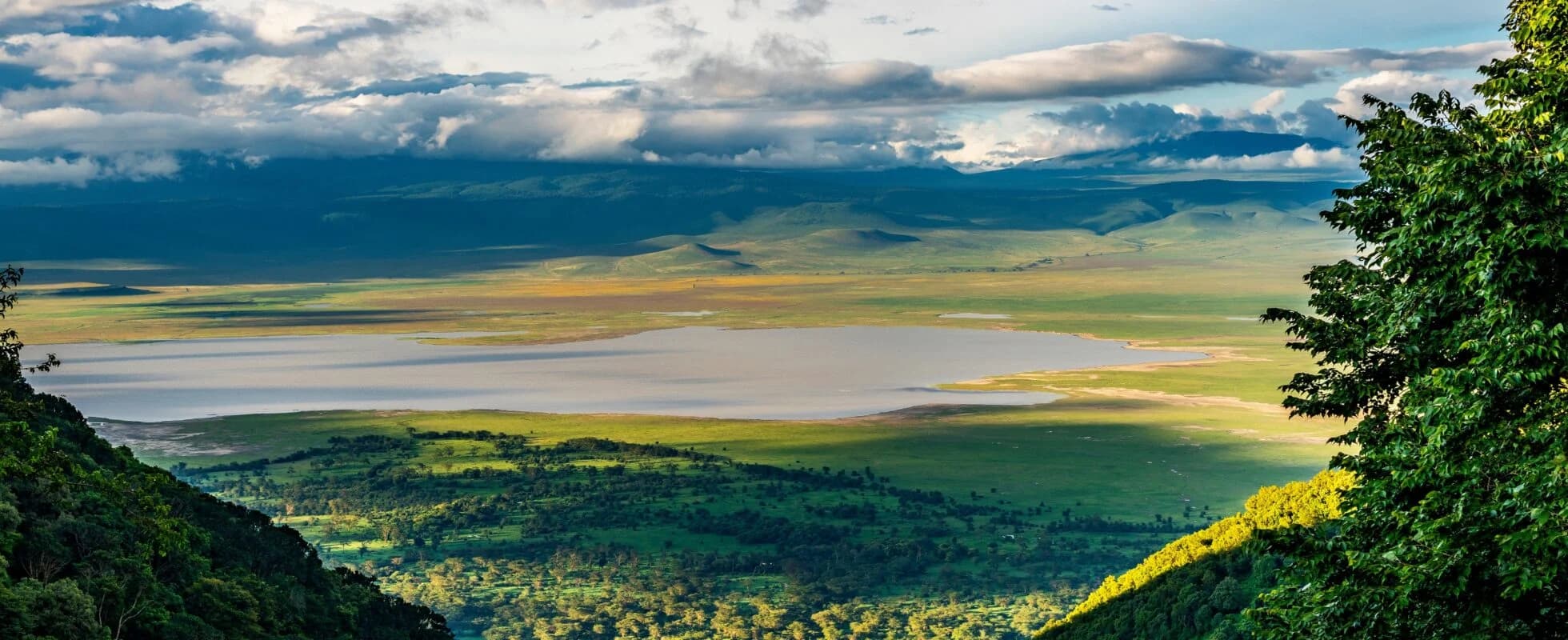
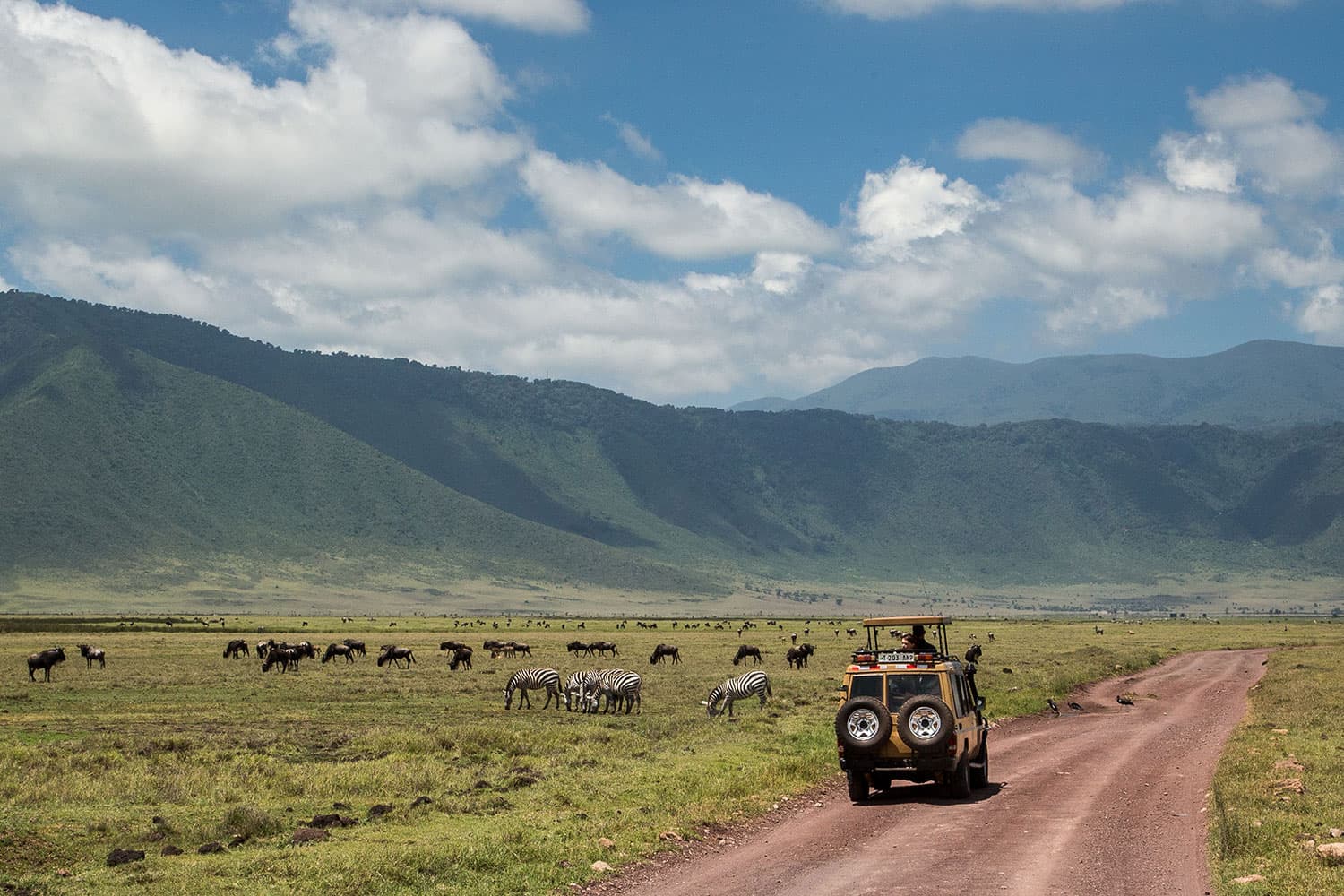
The northern circuit suits travellers whose priorities include the Serengeti, Ngorongoro and Tarangire. It is comparatively straightforward to connect, but it still needs enough nights in each area to avoid turning the Journey into a sequence of departures.
Ruaha and Nyerere offer a different proposition, with more weight on space, guiding and time in a larger landscape. Western forests and the coast need their own rhythm. They should not be added as quick extensions simply because the map makes them look close.
ZORANI EXPEDITIONS
Plan your Tanzania safari
Choose the circuit first, then test the season, transfers and number of nights against the wildlife priority you want the Journey to serve.

Parks & Reserves
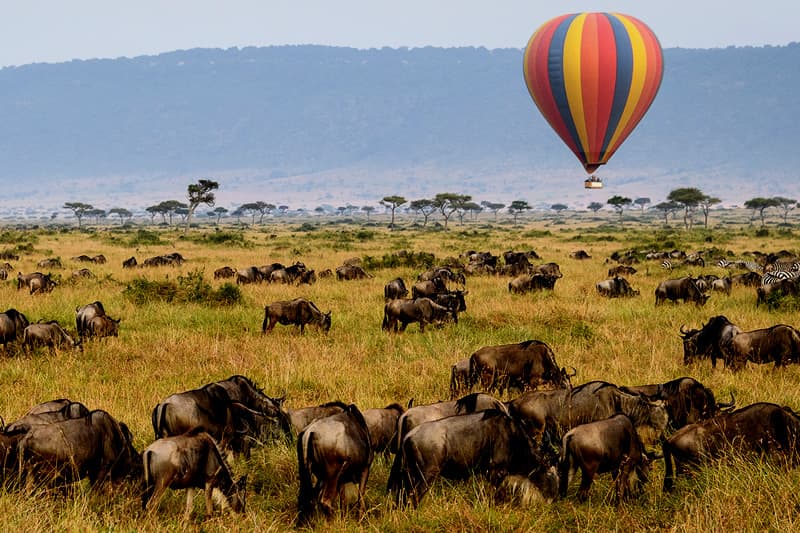
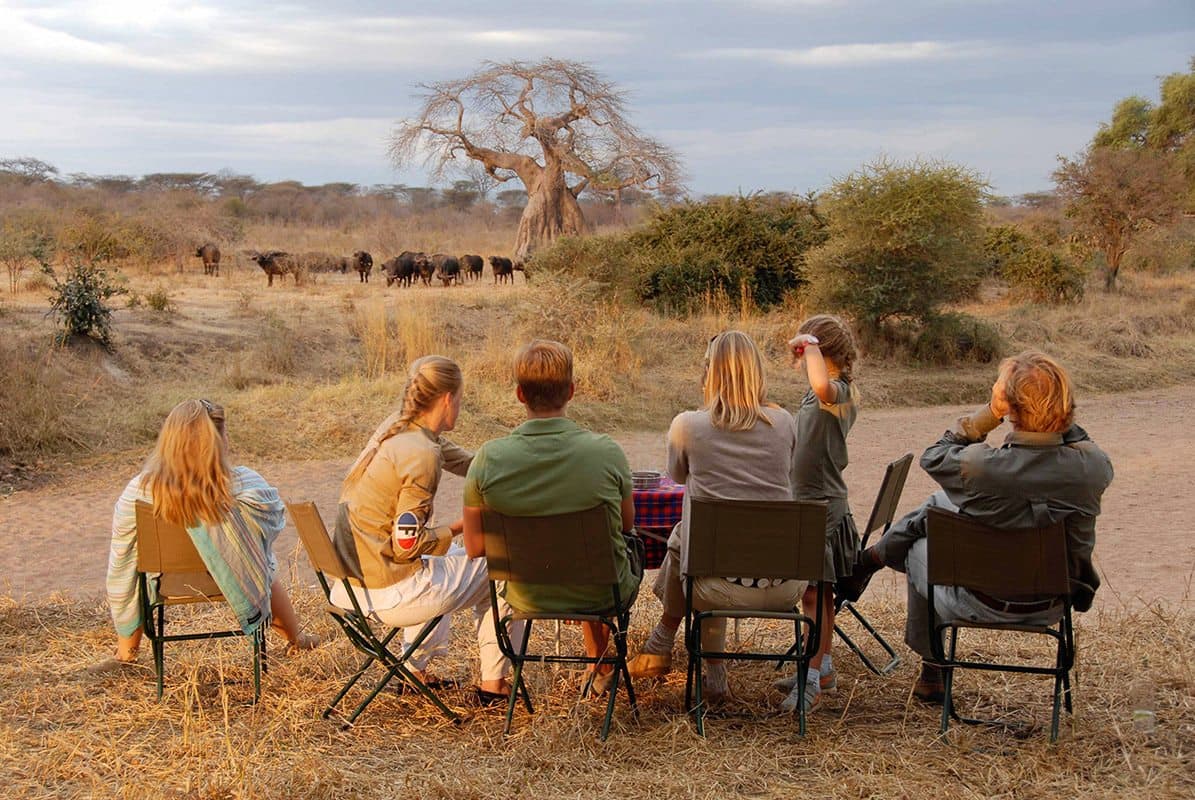
Tanzania's parks and wildlife areas
Essential Information
How Long to Stay
A northern circuit journey typically runs 7 to 10 days. That allows time for the Serengeti, Ngorongoro, and one or two additional parks without the pacing feeling tight.
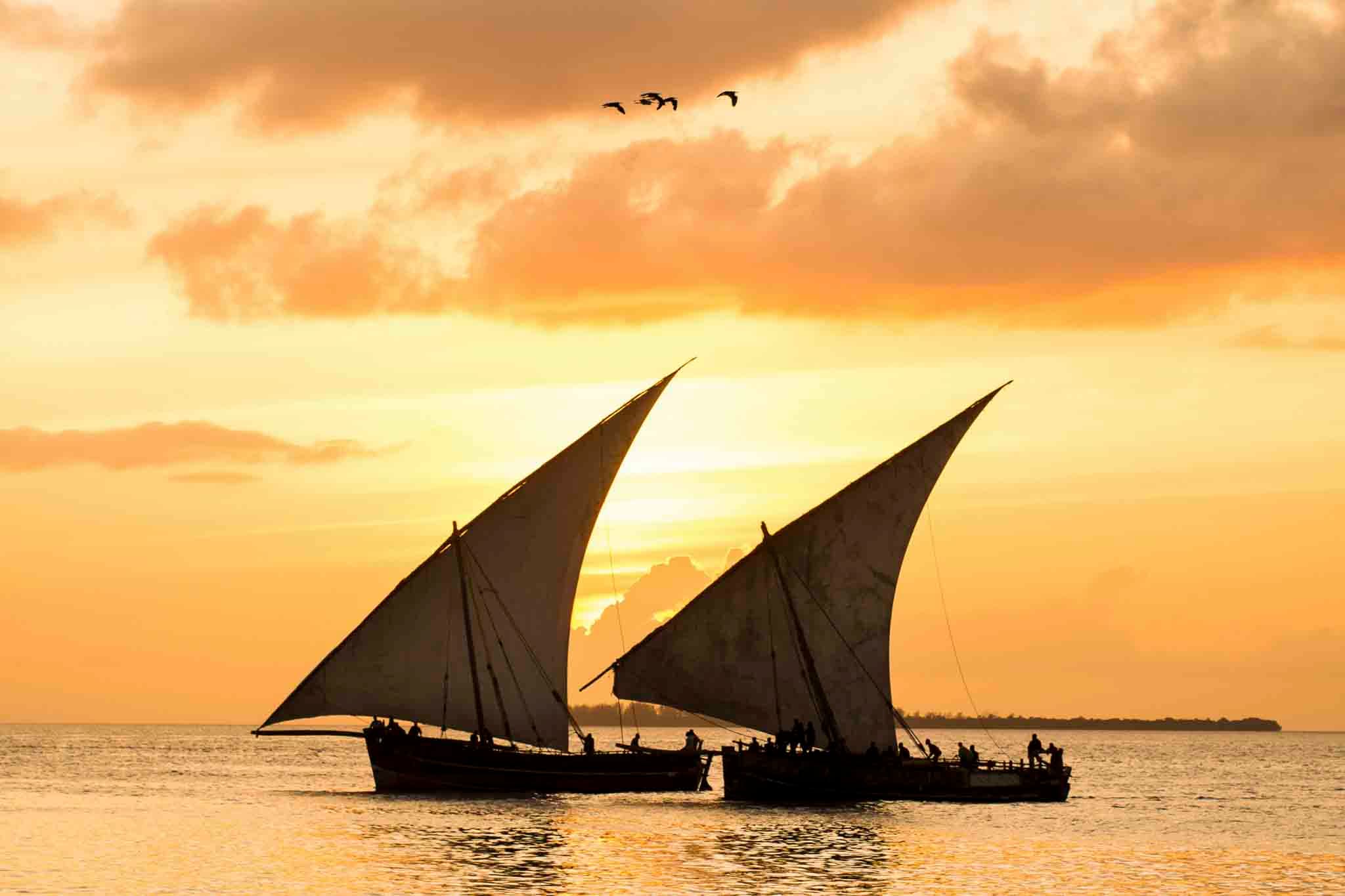
Add Zanzibar and you are looking at 10 to 14 days total.
Southern Tanzania Ruaha and Nyerere needs at least 7 days as a standalone route, or 10 to 12 days if combined with the northern circuit.
Mahale requires a dedicated 5 to 7 days including flights and transfer time. It is not a quick stop.

Accommodation
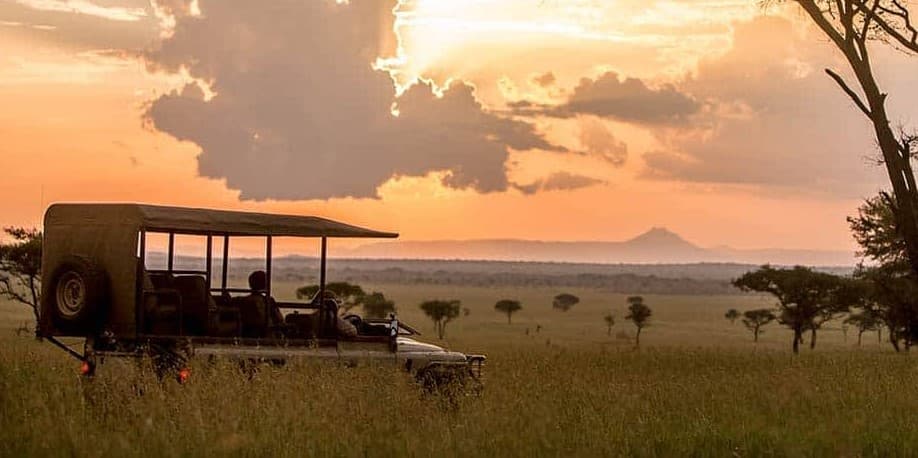
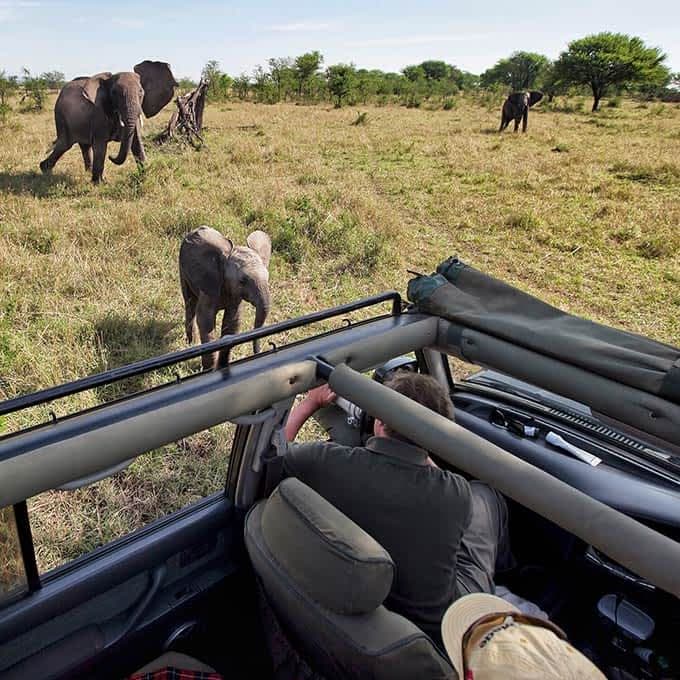
The northern circuit has the strongest lodge offering in East Africa luxury tented camps, permanent lodges, mobile camps that follow the migration, and solid midrange properties throughout.
The southern parks have fewer options but high quality. Expect remote, small camps with stronger guiding and more exclusive settings.
Zanzibar ranges from boutique beach lodges to larger resorts. Choose based on location, crowd tolerance, and your preferred balance between a quiet retreat and access to Stone Town and activities.
Frequently Asked Questions
How do I get around the northern circuit?
Most northern circuit journeys are vehicle-based and private. Charter flights are available between parks but add cost quickly.
How do I get around the southern parks?
Southern parks require flights. Road access is not practical for most itineraries.
What are the health and vaccination requirements?
Yellow fever vaccination is mandatory if arriving from endemic countries. Malaria prophylaxis is recommended for all safari areas and Zanzibar.
What currency should I bring?
The Tanzanian Shilling is the local currency, though USD is widely accepted at lodges and for park fees.
Do I need a visa for Tanzania?
Visa on arrival is available for most nationalities. Confirm requirements before travel.
Plan Your Tanzania Journey
We build routes around migration timing, park selection, lodge location, and how the pieces connect without wasted time or tight turnarounds that do not hold up in practice.
Speak to a travel specialist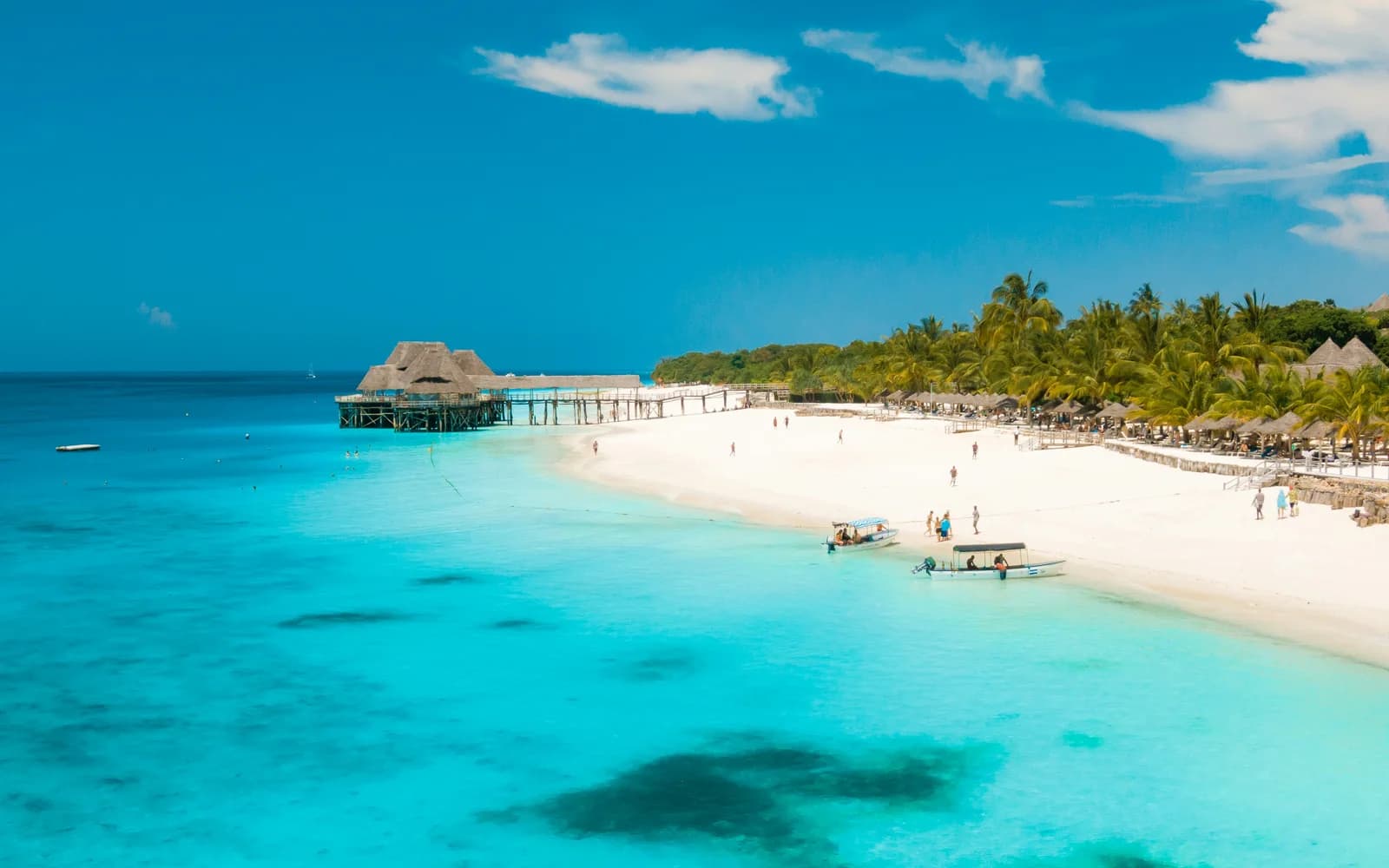
Explore Zanzibar
Zanzibar Holidays
Zanzibar brings together Indian Ocean beaches, historic Stone Town, Swahili coastal culture and a choice of quiet retreats or full-service resorts. Spend your days beside the water, explore the islands, or combine a beach stay with a private Tanzania safari.
Zanzibar holiday guide