UGANDA · EAST AFRICA
Kidepo Valley
Cheetah, ostrich, dry mountain ranges, and broad savannah plains
UGANDA · EAST AFRICA
Remote Savannah in Northeastern Uganda
Kidepo Valley sits in the far northeast of Uganda, tucked against the borders of South Sudan and Kenya in the Karamoja region. It is one of the most remote national parks in Africa and, for many experienced safari travelers, one of the most rewarding. The landscape is semi-arid and wide. The wildlife list includes species found nowhere else in Uganda. The human infrastructure is minimal by design. Getting here requires either a charter flight or a long road journey, and that difficulty filters out a large portion of safari traffic. Most visitors who make the trip rank it among the finest wildlife experiences of their lives.
Kidepo covers 1,442 square kilometres of open savannah, riverine forest, and rocky terrain bounded by mountain ranges. The Narus and Kidepo valleys form the park's core zones. The Narus Valley, with its permanent water, holds most wildlife year-round. The Kidepo Valley to the north is dry for most of the year but draws animals during the wet season rains. Together they frame a park that feels genuinely wild in a way that few protected areas still do.
Safari Experiences
The Case For Kidepo Valley
Why Visit Kidepo Valley
Kidepo holds species that exist nowhere else in Uganda. Cheetah are present in the park, making it the only place in the country where sightings are possible. Caracal, bat-eared fox, and aardwolf are documented here. Ostrich, which does not occur in other Ugandan parks, roams the semi-arid grassland. This combination of unusual and rarely seen species is a serious draw for wildlife enthusiasts who have already covered the more accessible parks.
The landscape itself is a large part of the appeal. The Narus Valley is broad and open, bounded by the Morungole Mountains to the south and the Didinga Hills across the border to the north. Game drives here feel genuinely expansive in a way that more visited parks, with their vehicle concentrations, cannot replicate. You may spend an entire morning in the bush without encountering another vehicle.
The level of solitude is unusual even by African safari standards. Kidepo receives a fraction of the visitors that flow through Murchison Falls or Bwindi. For travelers who value that, the park justifies the effort and expense of getting there.
Safaris Through Kidepo Valley


Terrain & Ecosystem
Landscape & Environment
The park occupies a semi-arid valley system in Uganda's northeastern corner, within the broader Karamoja region. The Karamoja escarpment and surrounding mountain ranges give the park a dramatic backdrop. Flat-topped acacias, doum palms, and scattered borassus palms break the open grassland. Rocky inselbergs rise from the valley floors and provide habitat for leopard, klipspringer, and rock hyrax.
The Narus River runs through the southern valley and maintains permanent water through the dry season. This concentration of permanent water is what makes the southern park zone so reliably productive for wildlife. The northern Kidepo Valley, which forms a bulge toward the South Sudan border, is a seasonal drainage system that floods during the rains and attracts buffalo and elephant from the surrounding hills. The vegetation there is denser and slightly different in character.
The terrain is hotter and drier than the western Ugandan parks. Temperatures regularly exceed 30°C in the dry season. The experience is closer in feel to East African parks like Samburu or the drier parts of Tsavo than to the greener southwest Ugandan landscape.
Fauna
Wildlife Highlights
Cheetah are the species that most distinguishes Kidepo from every other Ugandan park. Sightings are not guaranteed, but the open terrain is ideal and the population, while small, is stable. Early morning is the most productive time.
Lion are a consistent presence in the Narus Valley. The prides here are well established and reasonably habituated to vehicles. Leopard are present but nocturnal and more often encountered at night or at dusk. African wild dog are occasionally recorded in the park, though sightings are irregular.
Caracal, bat-eared fox, and aardwolf occur here but are rarely seen given their nocturnal habits. Their presence confirms the park's semi-arid ecosystem credentials. Spotted hyena are common and active throughout the day.
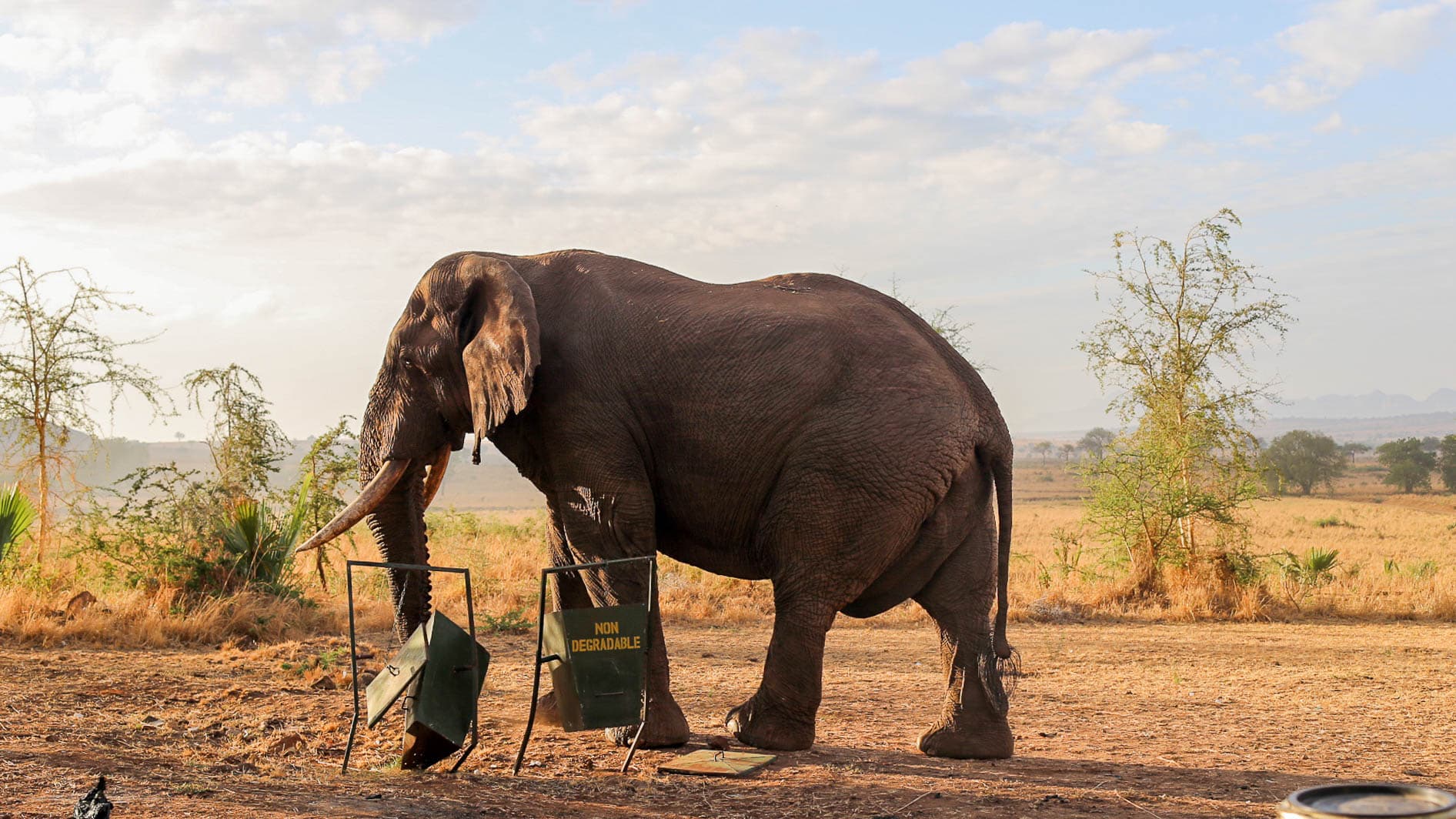
Buffalo form large herds in the Narus Valley. Elephant are present but often move between the park and the surrounding hills depending on the season. Jackson's hartebeest, eland, common waterbuck, Uganda kob, and oribi are well represented.
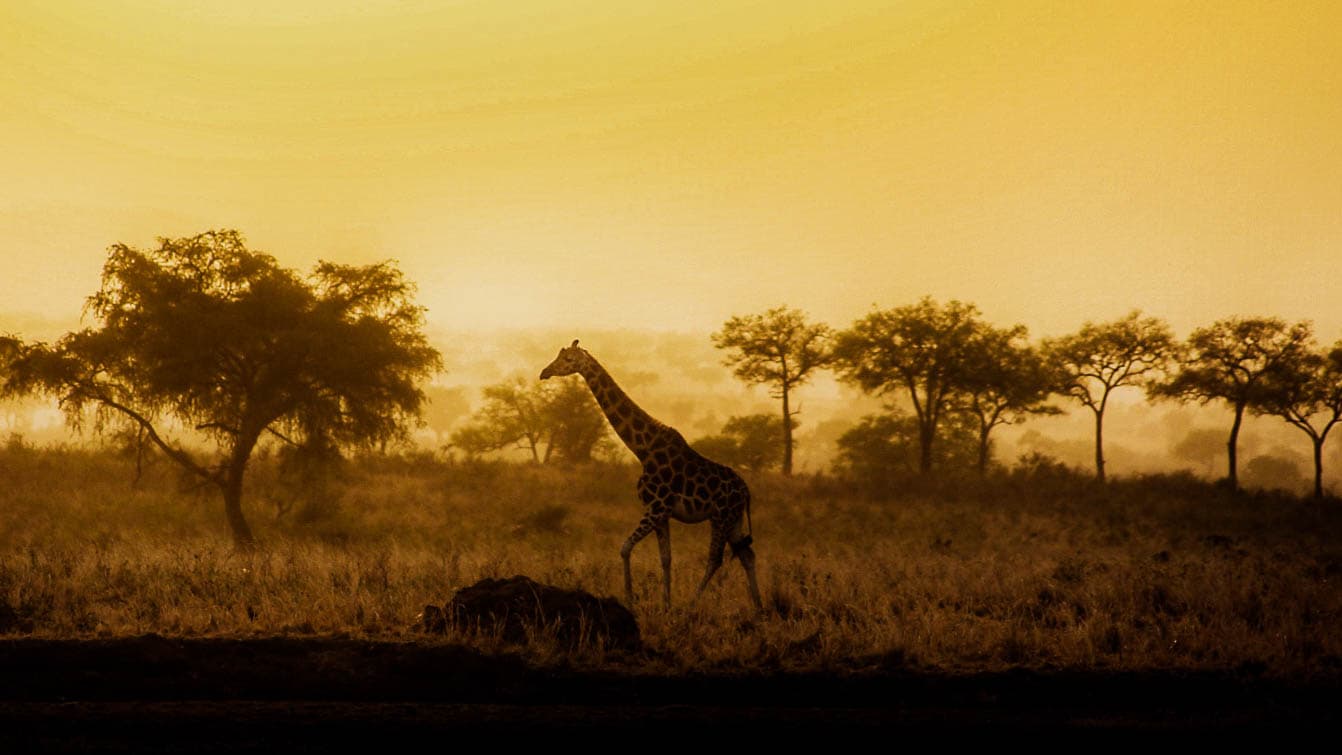
Ostrich is the most immediately visible species not found elsewhere in Uganda, and family groups are often sighted without any specific effort during game drives. Nubian giraffe are present in small numbers.
Birdlife exceeds 475 species, an exceptionally high count for a single park. Karamoja apalis is a Kidepo specialty, as is the fox kestrel. Raptors are numerous and conspicuous. Secretary bird and Egyptian goose are commonly seen on open ground.
On the Ground
Safari Experiences
Game drives in the Narus Valley are the primary activity and the focus of most visits. Roads are maintained but rough in places. Early morning drives (departing at 06:00) are most productive for predators. Late afternoon drives allow for good light and active grazers. Night drives may be possible depending on your accommodation.
Walking safaris are offered in certain areas of the park with armed rangers. The pace is slow and the focus shifts from large game counts to reading the landscape, tracking, and observing smaller species. It suits travelers who are comfortable with the pace and who have some prior safari experience.
Cultural visits to Karamojong communities adjacent to the park are available and are genuinely interesting. The Karamojong are a semi-pastoralist people with a strong living culture and a distinctive visual presence. This is not a staged performance but an encounter that requires appropriate sensitivity and a good local guide.
Sport fishing is available at certain park waterpoints on a seasonal basis, though it is not a primary activity.
Regions of the Park
Narus Valley: The southern sector of the park and the heart of most wildlife activity. Permanent water in the Narus River supports high year-round game concentrations. This is where most game drives take place and where the main accommodation is based. The valley is wide and flat with good visibility.
Kidepo Valley (North): A seasonal drainage that floods during the rains. The northern valley is wilder and sees fewer visitors. Game densities are lower outside the wet season but the landscape is striking and the sense of isolation is greater. Some operators include a drive into the northern valley as part of a multi-day visit.
Apoka Area: The administrative and accommodation hub of the park. Apoka rest camp and the surrounding airstrip make this the logistical base for most visitors. The central location provides easy access to both valley systems.
Planning Your Visit
Best Time to Visit
June to August is the dry season peak and the most recommended time. Vegetation is low, water sources are concentrated, and the Narus Valley game viewing is at its strongest. Temperatures are warm but manageable. This is also the best period for cheetah sightings on open ground.
December to February provides a short dry period and can be excellent, though it is less reliable than the main dry season.
March to May brings the long rains. Tracks become difficult, some roads may close, and the landscape is green but visibility through the vegetation drops. Wildlife disperses more widely. A few travelers enjoy this quieter, greener period, particularly for birdlife.
Getting There
By air: The most practical approach is a charter flight from Entebbe International Airport or Kajjansi Airstrip to Apoka Airstrip inside the park. Flight time is approximately 1.5 to 2 hours. Charter flights require advance booking and a minimum group size for cost efficiency. Your Zorani specialist can arrange this as part of your journey.
By road: The drive from Kampala takes approximately 10 hours via Gulu and Kitgum. The road north of Gulu has improved significantly in recent years but the final sections remain rough. Road travel is an option for travelers who wish to see the Acholi and Karamoja regions in transit, but it is a long day. Most visitors fly both ways.
From other parks: Kidepo does not connect easily with other Ugandan parks by road. It is most commonly visited as a stand-alone destination within a Uganda circuit, arriving from and returning to Entebbe by charter.
How Many Nights
3 nights is the minimum for a worthwhile visit. You need at least two full days of game drives to cover both valley systems and give the wildlife encounters time to develop. Many highlights, including cheetah, require patience and multiple drives.
4 nights allows for a more relaxed pace, cultural add-ons, a walking safari, and a longer exploration of the northern Kidepo Valley. This is the recommended stay for most travelers.
Kidepo works well as the opening or closing section of a Uganda circuit that combines it with Murchison Falls or the chimpanzee parks of the southwest, though the logistics require charter flights between sectors.
Where to Stay
Luxury Lodges and Camps
Apoka Safari Lodge (UWA): The Uganda Wildlife Authority lodge sits on a rocky outcrop above the Narus Valley with views across the open plain. The rooms are well finished by park lodge standards and the location is strong. It is the most established base in Kidepo and suits travelers who want reliable facilities in an otherwise very remote setting.
Kidepo Savannah Lodge: A privately operated camp positioned to take advantage of Narus Valley views. The standard is above the UWA lodge and the guiding is generally more personalised. A good option for travelers who want a higher level of service without compromising on the Kidepo experience.
Midrange Lodges and Camps
Adere Safari Lodge: A community-based lodge operated partly for the benefit of local Karamojong communities. Standards are simpler than the two lodges above but the location and wildlife access are the same. A reasonable choice for cost-conscious travelers or those with a specific interest in community tourism.
Combining With Other Destinations
Murchison Falls National Park is the most practical combination if you are planning a longer Uganda circuit. Both parks require charter flights, so building a Kidepo leg into a Murchison/chimp safari adds significant cost but creates one of Uganda's most varied itineraries.
Kibale and Bwindi (southwest Uganda) can be combined with Kidepo on an extended trip. The contrast between the chimpanzee forests of the west, the gorilla country of the southwest, and the open savannah of the northeast is compelling, though it requires at least 10 to 12 days and careful flight routing.
Standalone Kidepo journey: Some travelers visit Kidepo as a dedicated short trip rather than combining it with other parks. Three or four nights flies in from Entebbe and returns. The simplicity suits those who want depth over breadth.
Photography
Kidepo offers some of the best photographic conditions in Uganda. The open semi-arid landscape means unobstructed angles and the wide valley views allow for environmental shots that place animals in dramatic context. The Morungole Mountains provide a natural backdrop for compositions in the southern valley.
Early morning light on the Narus Valley is exceptional. The golden hour after sunrise, when cheetah are most active, produces ideal conditions. The afternoon light on the inselbergs and rocky koppies creates textured shots that are harder to achieve in closed woodland environments.
The relative scarcity of vehicles means you can position and reposition without interference. Bring a long lens for cheetah and smaller predators. Wide angles are useful for landscape shots with the mountain backdrop. Dust levels increase through the dry season and affect lens clarity during game drives on sandy tracks.
Kidepo Valley Questions
How do I get to Kidepo Valley National Park?
There are two options. Charter flights from Entebbe or Kampala to Kidepo airstrip take approximately 1.5 hours and are the strongly recommended choice: the road alternative is a 9 to 12 hour drive on roads that are unpaved and in poor condition for much of the route. Charter flights are available through licensed operators and are the standard for premium journeys. The remote location is part of Kidepo's appeal, and the flight approach over the Karamoja escarpment is itself memorable.
Does Kidepo have cheetahs?
Yes. Kidepo Valley is the only national park in Uganda with a confirmed resident cheetah population. Sightings are not guaranteed on any given game drive, but cheetah are regularly encountered in the open Narus Valley grassland. The flat, semi-arid landscape makes spotting easier than in forested parks. Kidepo is widely regarded as offering the best cheetah sighting probability in Uganda by a significant margin.
Which wildlife interests are associated with Kidepo?
Kidepo's dry savannah and mountain-edge habitats support a different mix of wildlife from Uganda's wetter western parks. Travellers with a species-specific interest should ask for recent field reports because distribution records and sighting frequency require current verification.
Who are the Karamojong and what is the cultural experience?
The Karamojong are pastoralist communities in the wider Karamoja region. A cultural visit should name the host or community organisation, explain what the traveller will do, and verify how the visit is arranged. Zorani does not treat a community as scenery or promise an encounter without an identified host.
How does season affect a visit to Kidepo Valley?
Rain changes road conditions, vegetation, water availability, and wildlife distribution. Before confirming a Journey, check current access with the operator and Uganda Wildlife Authority rather than relying on fixed monthly promises.
What accommodation options exist at Kidepo?
Accommodation is limited. Zorani uses its current Luxury and Midrange tiers and verifies each property's operating status, location, access, and room standard before including it in a Journey.
Is Kidepo safe to visit?
Conditions can change. Travellers should follow current official travel advice, Uganda Wildlife Authority guidance, and their operator's route assessment close to departure. Zorani does not replace official security guidance.
How do I combine Kidepo with the rest of Uganda?
Kidepo is remote from Uganda's western safari circuit. A planner should compare road and scheduled or charter flight options using current operator schedules, then allow enough time for the chosen connection. The right sequence depends on the rest of the route and the traveller's tolerance for long transfers.
How many nights should I spend at Kidepo?
Two nights is the minimum; three nights is recommended for a fuller experience of both the Narus Valley and the more remote Kidepo Valley to the north. The remoteness of the park means the journey itself is significant: spending less than two nights makes the logistics disproportionate to the time on the ground. With three nights, you have time for early morning and late afternoon drives, a community cultural visit, and the chance to simply absorb the extraordinary isolation of the landscape.
Zorani Expeditions
Plan Your Kidepo Valley Safari
Every Journey we design is built around your goals, not a standard route.
Speak to a Specialist