8-Day Serengeti Migration Journey: Western Corridor & Central Seronera
8-Day Serengeti Migration Journey: Western Corridor & Central Seronera
Journey Overview
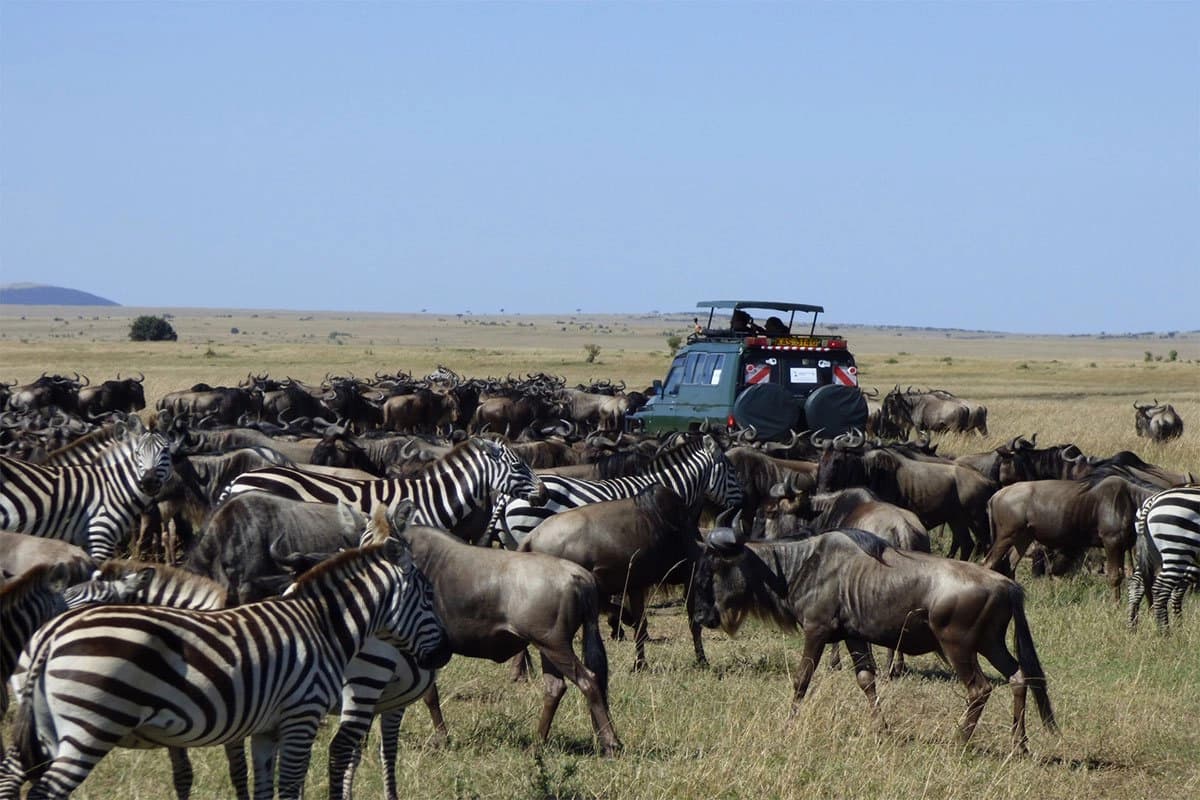
This itinerary is designed around a specific window: the western Serengeti in May through July, when wildebeest and zebra push through the Grumeti corridor on the northern leg of the annual circuit. The western Serengeti at this time operates differently from the central zone: fewer vehicles, denser woodland, and game drives focused on tracking herd movements and monitoring river crossing points rather than following resident predators. The opening days in Tarangire and Lake Manyara provide context before the migration focus begins. The second half of the Serengeti section shifts to the central Seronera area, which offers reliable year-round predator viewing that doesn't depend on migration timing. This is a well-suited choice for repeat Tanzania travelers who have done the standard circuit and want to experience the western corridor in season, and for photographers who need extended time at the Grumeti River rather than a single overnight stop.
Key Highlights
Full-day game drive in Tarangire National Park
Game drive in Lake Manyara National Park
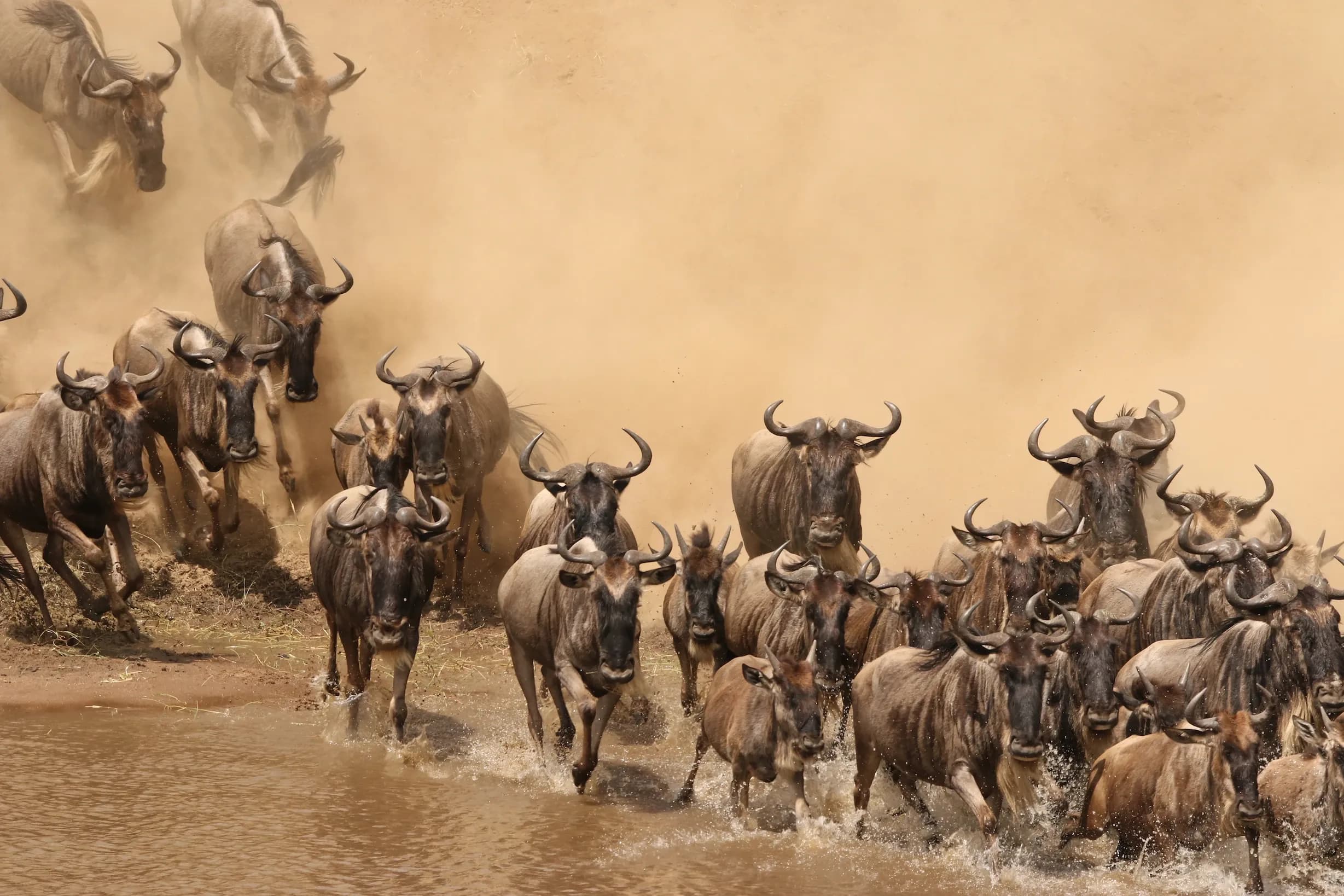
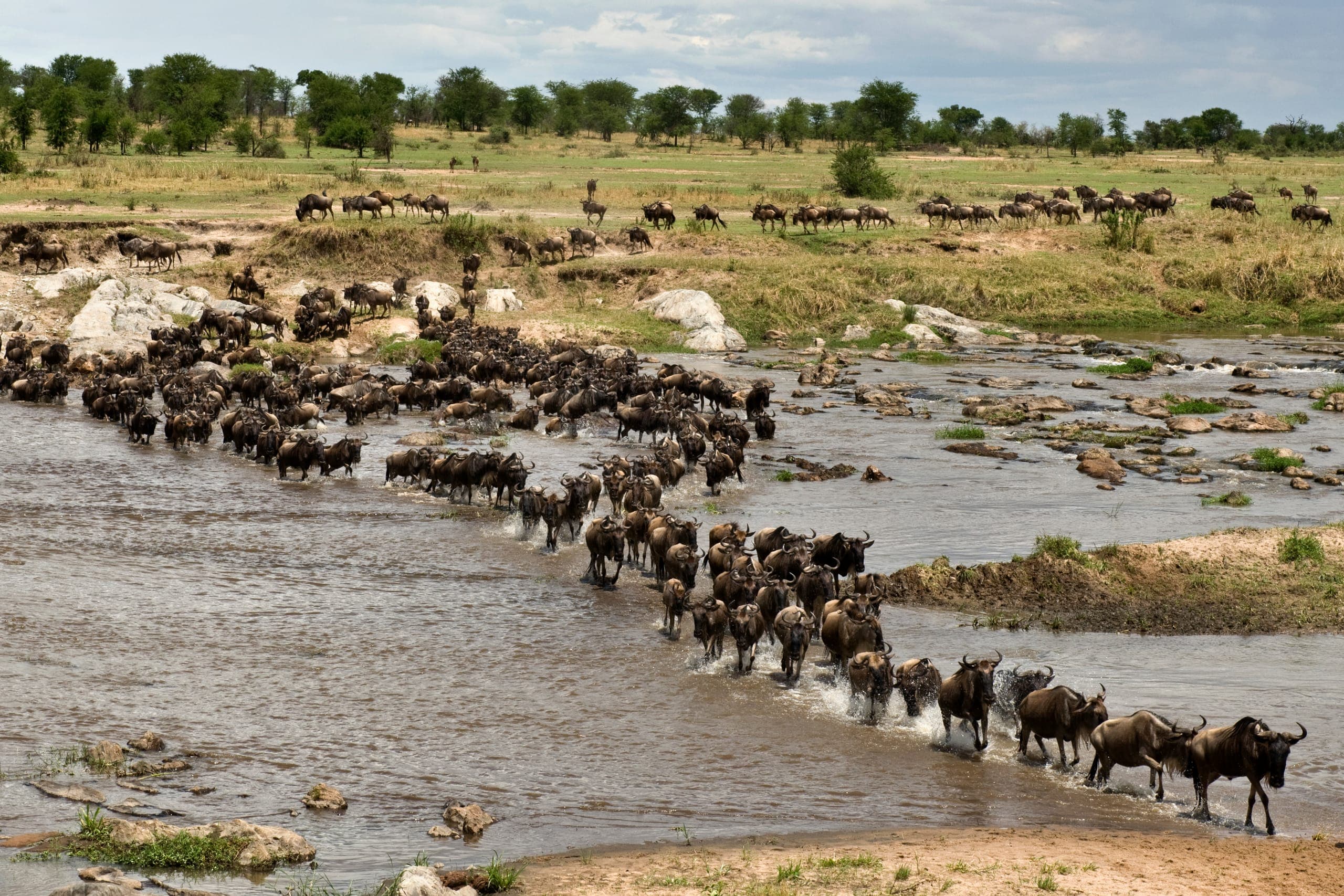
Two days focused on the Grumeti River crossings in the western Serengeti (May to July timing)
Full day in the central Seronera region for resident predator viewing
Morning game drive inside the Ngorongoro Crater
Structured around peak migration passage through the western corridor
Departures
Select a comfortable style or departure slot to proceed with your booking enquiry.
Itinerary
Arrival in Arusha
On arrival at Kilimanjaro International Airport, a private transfer brings you to Arusha for dinner and the overnight stay. A safari briefing covers the route and conditions ahead.
Tarangire National Park
After breakfast, the drive south takes around two and a half hours to Tarangire National Park. A full day is spent on game drives, with a hot lunch served in the field. Tarangire is consistently productive for elephant year-round and is notably quieter than the Serengeti: roads reach deeper into the park's more remote sections with far fewer vehicles. Transfer to camp follows in the evening.
Lake Manyara National Park
The drive to Lake Manyara National Park takes under an hour. A full-day game drive covers the forest, lakeshore, and acacia woodland sections, with lunch served in the field. Manyara holds more than 400 recorded bird species and the acacia woodland is consistently productive for the park's tree-climbing lions and large elephant population. Transfer to the lodge follows in the evening.
Western Serengeti, Grumeti Area
After breakfast, the drive heads through the Ngorongoro Conservation Area and into the western corridor of the Serengeti. The western Serengeti is distinct from the central region: the terrain is more broken, the woodland denser, and the Grumeti River cuts through a landscape where crocodiles wait in permanent pools during the dry months. Game drives focus on tracking herd movements and monitoring crossing points along the river.
Western Serengeti, Grumeti River Crossings
A second full day in the western corridor, with game drives focused on the Grumeti River. The principal event during May to July is the movement of wildebeest and zebra through this section of the park and their crossing of the Grumeti. Crossing activity is not predictable on any given day: extended time at the river significantly increases the likelihood of witnessing one.
Central Serengeti, Seronera Region
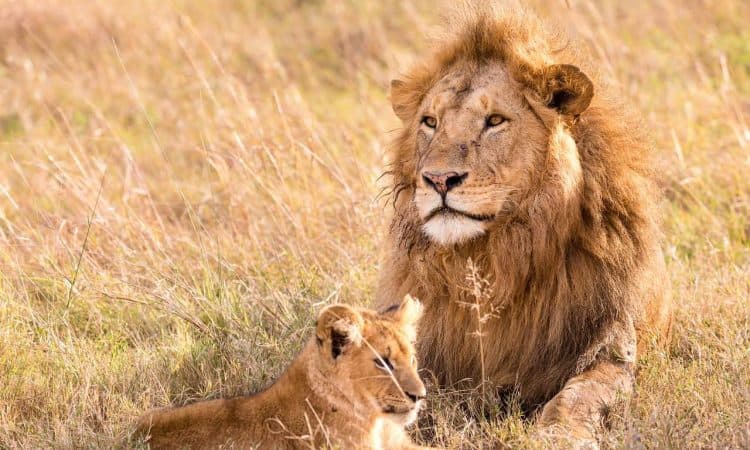
The drive east from the western corridor brings you into the central Seronera region. Game drives shift focus to year-round resident wildlife: lion, which the Serengeti holds in greater density than any other park in Africa; leopard, commonly sighted in the riverine woodland along the Seronera River; and cheetah on the open plains. The central Serengeti offers reliable viewing independent of migration timing.
Central Serengeti to Ngorongoro
A morning game drive in the central Serengeti is followed by the drive south and east toward the Ngorongoro highlands. Lunch is served in the field before the journey continues. The camp is positioned inside the highlands for an early start into the crater the following morning.
Ngorongoro Crater to Arusha
An early breakfast precedes the descent into the Ngorongoro Crater for the morning game drive. The crater floor covers around 260km² and holds a dense concentration of plains mammals, including a small population of black rhino. A picnic lunch is served near Lake Magadi, a shallow alkaline lake in the crater's southwestern corner, before the ascent and the return drive to Arusha.
✓Inclusions & Offers
- Private 4WD safari vehicle with pop-up roof
- English-speaking driver-guide for the full duration
- All accommodation as listed in the itinerary
- All meals as specified per day
- National park entrance fees and conservation levies
- All game drives as detailed in the itinerary
- Airport transfers on arrival and departure days
- Drinking water in the vehicle throughout
✕Exclusions
- Wildlife crossing sightings are not guaranteed; this journey is timed for May to July to maximise likelihood
- International flights
- Tanzania entry visa (apply online before travel; approximately USD 50 per person at time of writing)
- Travel insurance
- Gratuities for guides and lodge staff
- Alcoholic beverages, unless specified as included per day
- Optional or unscheduled activities
- Personal items, laundry, telephone calls, and communications
- Any meals not listed in the per-day breakdown
More Related Itineraries