Kenya · East Africa
Masai Mara
1,510 km² of open savannah, the world's densest cheetah population, and Africa's most dramatic wildlife spectacle: the annual river crossing of 1.5 million wildebeest.
Kenya's Premier Wildlife Destination
Narok County's current management plan records the Masai Mara National Reserve at 1,530 square kilometres. Its plains and riverine habitat support resident predators and herbivores, though sightings vary with season, weather, movement, and guiding. The surrounding conservancies use different access and activity rules, which can reduce vehicle density and allow activities unavailable in the reserve.
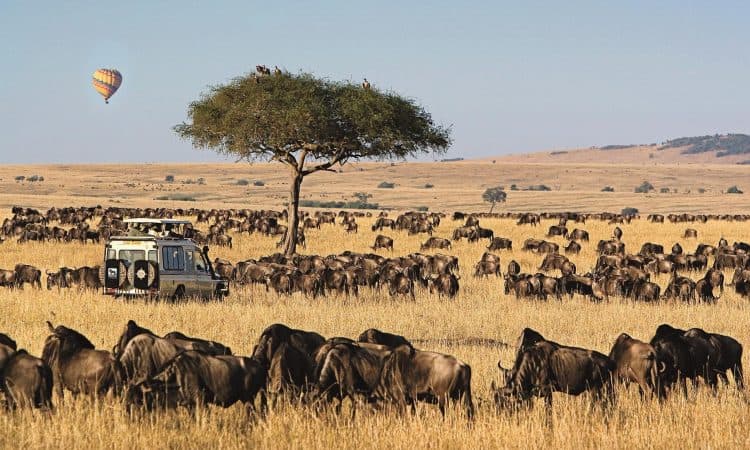
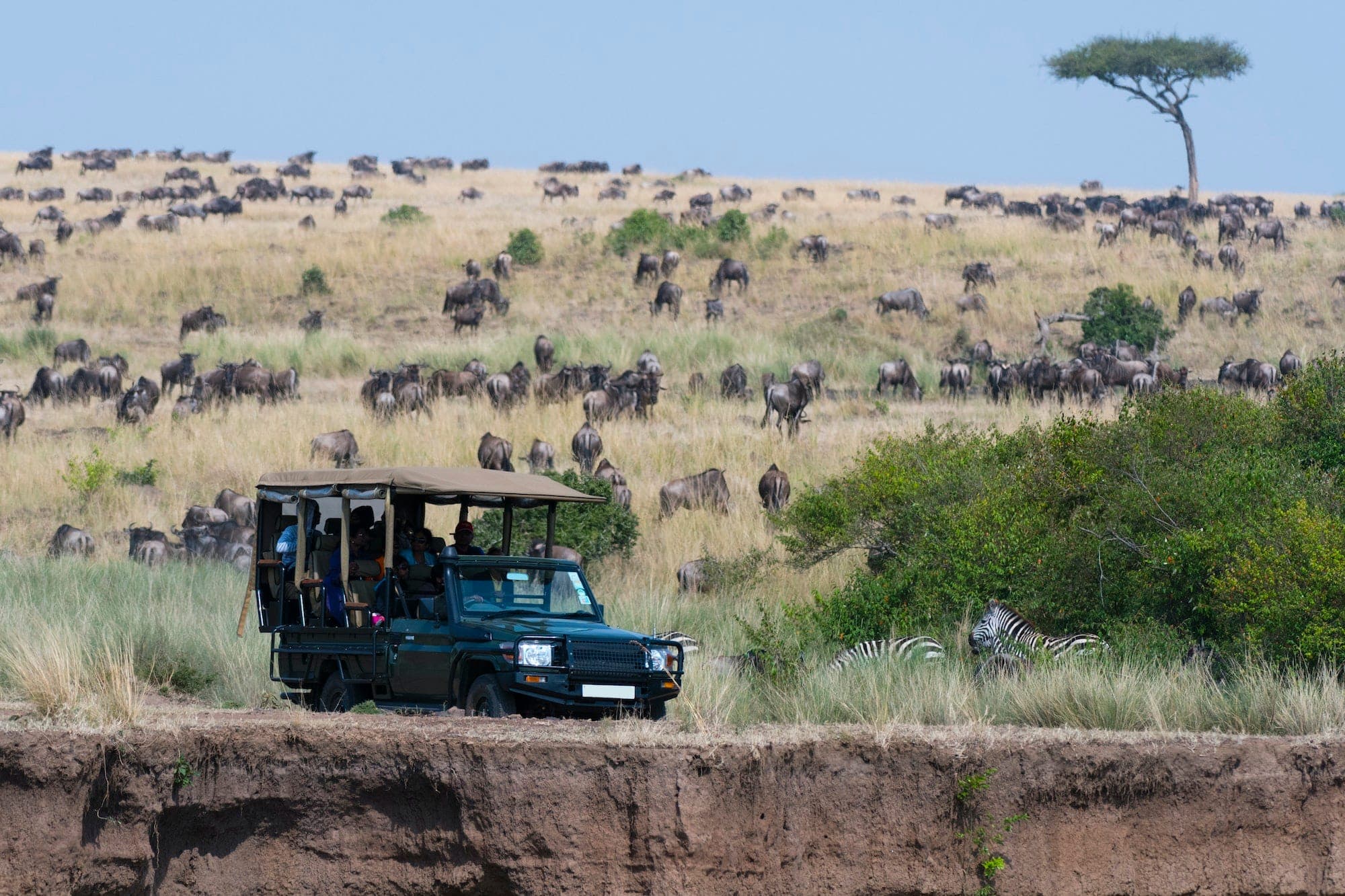
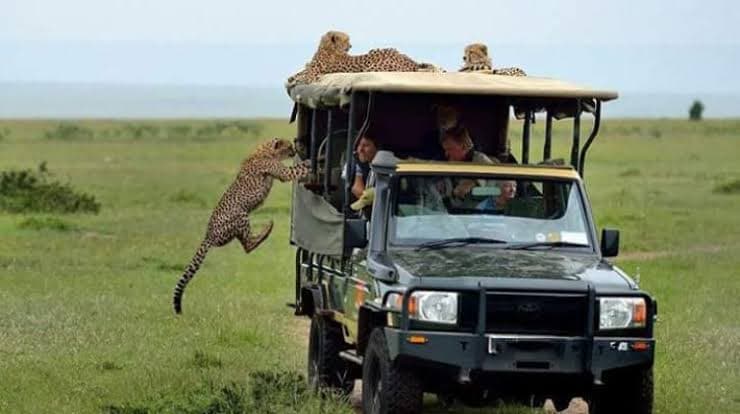
What distinguishes the Mara from other Kenyan parks is its openness. Rolling short-grass plains and riverine forest along the Mara and Talek rivers create a landscape where visibility is high and game can be tracked across long distances. Cheetah hunts can be followed from stalk to kill. Migration herds stretch to the horizon.
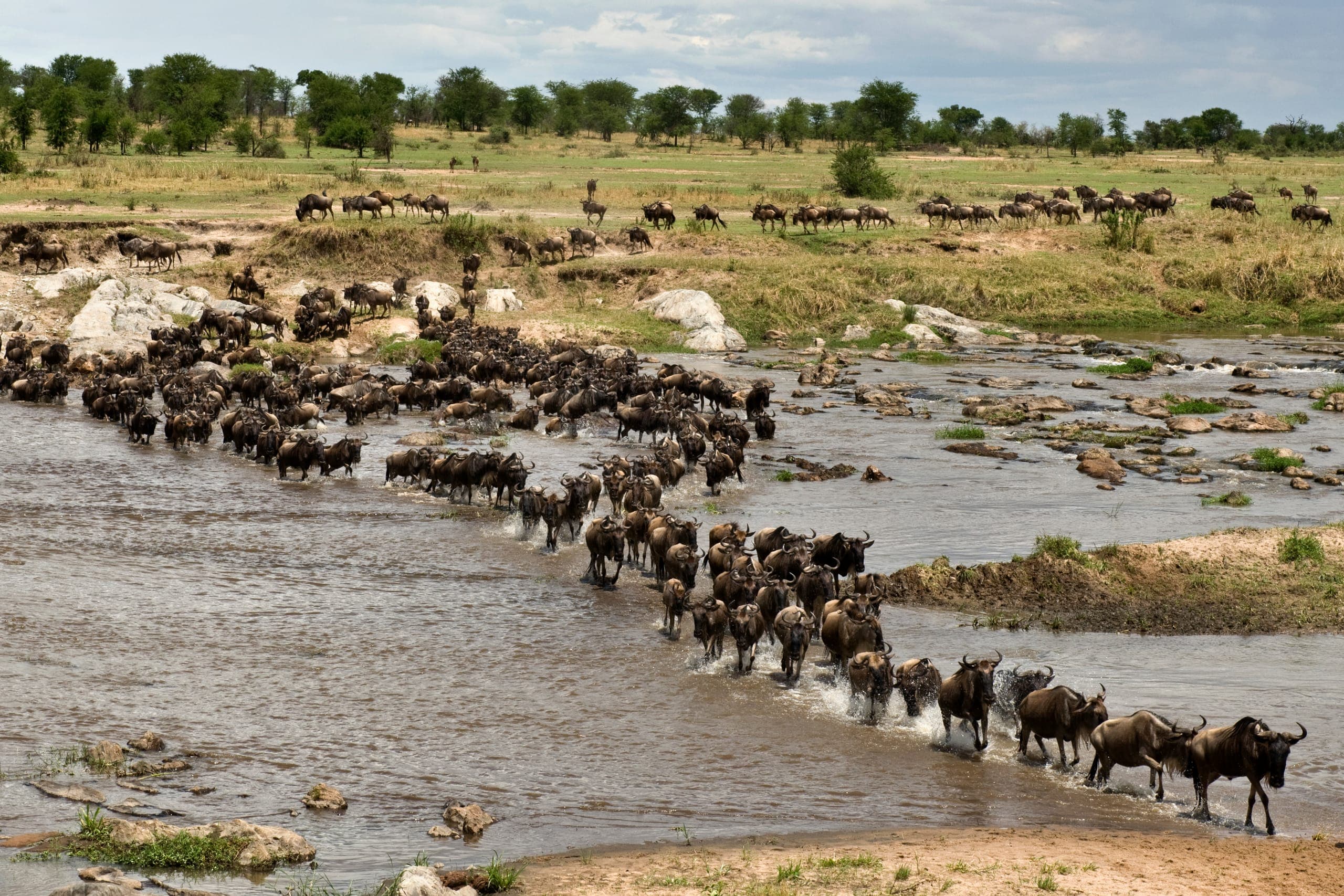
Between roughly July and October, approximately 1.5 million wildebeest move north from the Serengeti into the Mara. The Mara River crossings (where herds attempt to ford under pressure from waiting Nile crocodiles) are the most photographed wildlife spectacle in the world.
ZORANI EXPEDITIONS
Plan your Masai Mara safari
Expert guidance on the migration, the conservancies, when to go, and what a Mara journey should look like.
Itinerary Frameworks
Crafting Your
Mara Journey
These are framework itineraries, designed to be tailored based on travel dates, budget, and what you want from the experience. See where to stay or the cost guide when planning.
Mara Focus
Short addition to a longer Kenya journey. Conservancy camp, full-day game drives, one balloon option.
Classic Kenya Core
Masai Mara combined with Amboseli. Predators and migration in the Mara; elephants and Kilimanjaro backdrop in Amboseli.
Migration-Led Visit
July to October. Conservancy base with river access. Five nights minimum for a reasonable crossing probability. Seven nights recommended.
Kenya Wildlife Circuit
Masai Mara, Laikipia, and possibly a third park. Full breadth of Kenya's wildlife including rhino, wild dog, and northern species.
Mara and Tanzania
Connecting the Mara with the Serengeti and Ngorongoro: seeing both sides of the Great Migration ecosystem on one journey.
Bush and Beach
Four to five nights in the Mara followed by three to four nights on the Kenya or Tanzania coast. Reliable, well-paced combination.
Kenya's Flagship Reserve
Why the Masai Mara
The Great Migration
Approximately 1.5 million wildebeest and 250,000 zebra cross into the Mara between July and October. The Mara River crossings, where herds ford under pressure from waiting Nile crocodiles, are among the ecosystem's most closely followed events.

Resident Predators
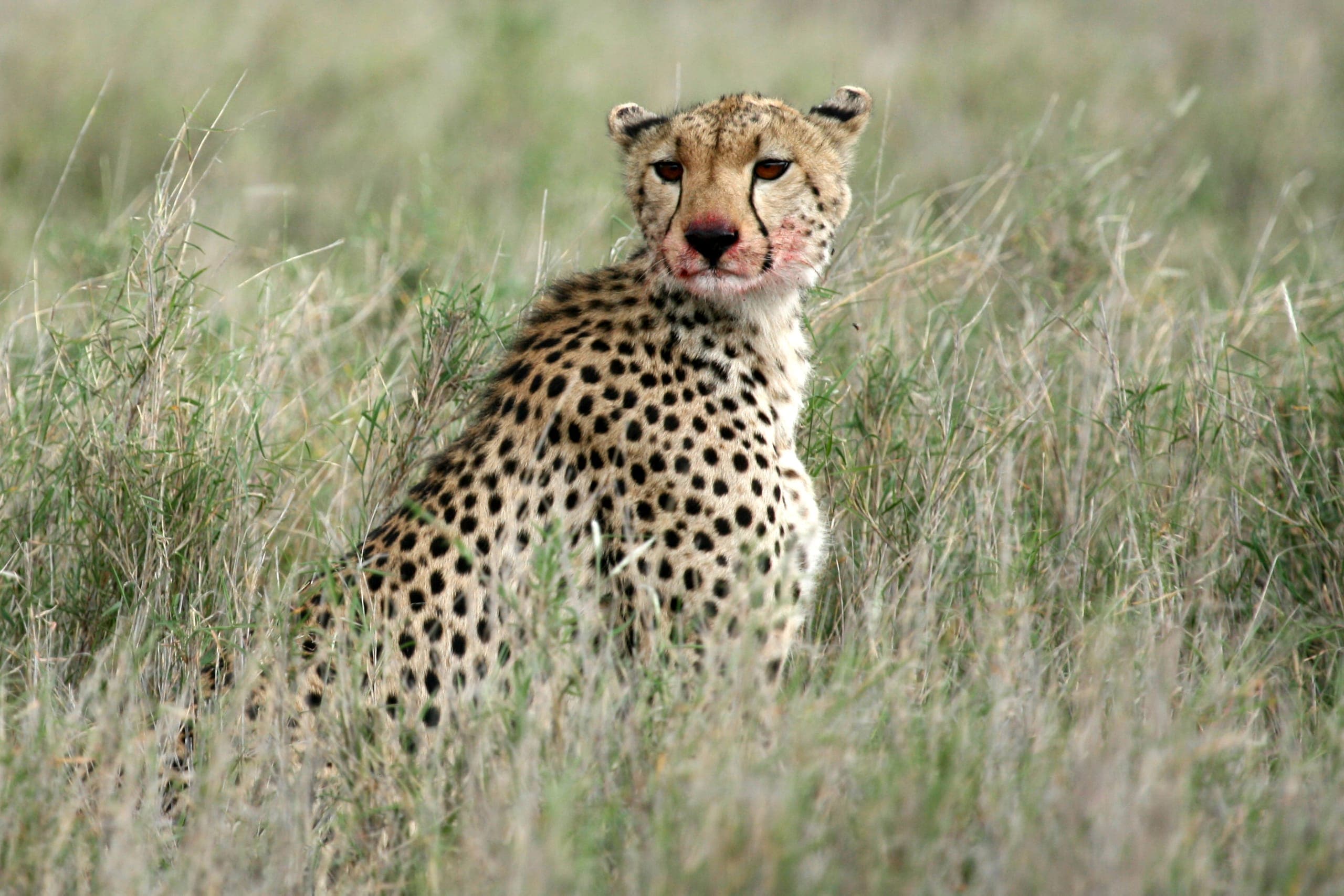
Resident lion, cheetah, and leopard use the Mara's plains and riverine habitat throughout the year. Wildlife remains present outside migration season, but any particular encounter depends on recent movement, conditions, guiding, and time in the field.
The Conservancy Belt
Over 1,000 km² of private and community-managed land surrounds the national reserve. The conservancies allow night drives, walking safaris, and off-road vehicle use, and operate with controlled visitor numbers that the main reserve cannot match during peak season.
Month by Month
When to Visit
The useful question is which conditions suit the Journey. Rain, road access, camp operations, visitor density, and migration movement all change through the year.
January – February
Short Dry Season
Often drier, with generally shorter grass and lower visitor pressure than the main migration season. Wildlife sightings still depend on recent movement and guiding.
March – May
Long Rains
Rain can affect tracks and some camps close seasonally. This period may suit birdwatchers or travellers comfortable with operational uncertainty; confirm camp opening dates.
June – October
High Season · Migration
Migration herds may enter the Mara during this broad period, but river crossings remain unpredictable. Visitor pressure and rates are usually higher; verify current availability.
November – December
Short Rains · Green Season
Short rains can change road and grass conditions as migration movement shifts south. Migrant birds may add interest, while rates and visitor pressure vary by camp. Confirm current operating dates.

Conservation & Community
Understanding the Ecosystem
The Conservancy Model
The conservancies surrounding the main reserve are, for many travellers, the better half of the Masai Mara experience. Maasai landowners lease their land for wildlife tourism in exchange for a regular monthly income. The result is land where wildlife moves freely, visitor numbers are controlled, and the community has a direct financial reason to protect predators rather than eliminate them.
Main Reserve vs Conservancy
The national reserve is accessible to any licensed operator. In peak season, this means significant vehicle congestion at crossings and kills. The conservancies operate with strict capacity limits and allow night drives, guided walks, and off-road vehicle use. For most clients on a premium journey, a conservancy camp is the stronger choice.
The Mara Triangle
The western section of the reserve is managed on Narok County's behalf by the non-profit Mara Conservancy. Its published operational reports cover roads, security, tourism, and conservation work. Compare current access, camp location, and vehicle rules rather than treating the Triangle as a guarantee of better sightings.
Masai Mara Planning Questions
Is the Masai Mara worth visiting outside migration season?
Yes, when the season matches the traveller’s priorities. Resident wildlife remains in the ecosystem, but viewing conditions change with rain, grass height, road access, and recent animal movement. Outside the main migration period, lower visitor pressure may be the more important advantage. Sightings remain uncertain in every month.
When is the best time to see a river crossing?
July to October is the broad period when migration herds may be in the Mara, but rainfall and grass conditions alter the timing each year. A river crossing may not occur during a particular stay. More time gives a guide greater flexibility to respond to movement; it does not guarantee an event.
What is the difference between the main reserve and the conservancies?
Narok County manages the national reserve. Surrounding conservancies use separate governance, access, and activity rules, often including controlled vehicle numbers, night drives, guided walks, or off-road access. Those rules vary, so confirm the selected conservancy and camp rather than assuming every conservancy stay operates the same way.
How much do conservancy fees add to the cost?
Conservancy fees vary and may be included in the accommodation rate or itemised separately. Ask for the current fee, tax treatment, and included activities to be shown in the quote. Participating landowners can receive lease payments through the conservancy model, but a guest fee should not be described as a direct community payment unless the current distribution mechanism has been verified.
Can I combine the Masai Mara with a Tanzania visit?
Yes, when the current airline timetable and border formalities support the route. Some services use Migori and Tarime for immigration; Nairobi routings may also work. Confirm the exact operating days, baggage rules, and ground transfers for the travel date before fixing the Journey sequence.
What is the Mara Triangle and why does it matter?
The Mara Triangle is the western section of the national reserve. Narok County is responsible for the reserve, while the non-profit Mara Conservancy carries out day-to-day management of the Triangle on the County’s behalf. Its operational reports cover roads, security, tourism, and conservation work. Current access, camp position, and vehicle rules matter more than a blanket promise of better wildlife viewing.
How many nights should I spend in the Masai Mara?
Three nights provide two full days on the ground when arrival and departure timing are efficient. A longer stay adds flexibility to explore different terrain or accommodate slower wildlife movement. The right length depends on flight times, camp location, the wider Kenya route, and whether photography or birding needs a slower pace.
Do I need to book permits in advance?
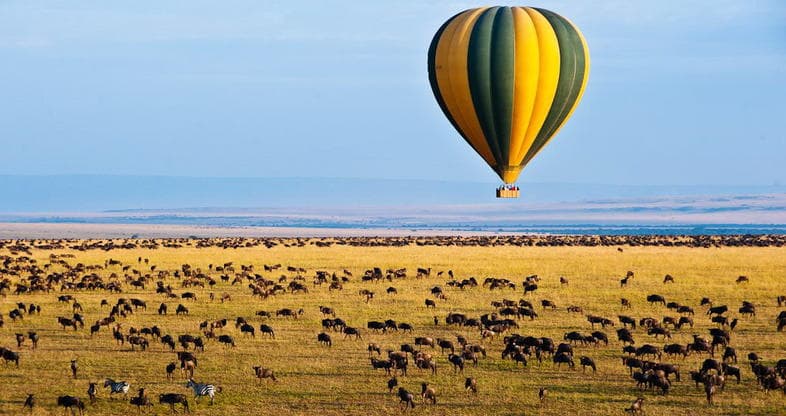
The main reserve does not require advance game drive permits. Balloon safari bookings should be made well in advance, particularly in peak season (July to October) when slots fill weeks ahead. Conservancy camps have limited bed capacity and fill early for peak-season dates: for August travel, Zorani recommends booking six to twelve months in advance.
Zorani Expeditions
Plan Your Masai Mara Journey
The right camp, the right season, the right conservancy. Getting the details right determines the quality of the experience.
Speak to a Specialist