KENYA · EAST AFRICA
Ol Pejeta
A protected black rhino population and the last two northern white rhinos
KENYA · EAST AFRICA
Rhino Conservation in Laikipia
Ol Pejeta Conservancy covers 364 square kilometres on the equatorial Laikipia Plateau in central Kenya, between the Aberdare Mountains and Mount Kenya. It is a private conservancy rather than a national park, managed specifically for wildlife conservation and tourism. It holds Africa's largest black rhino sanctuary, a stable population of all Big Five species, documented wild dog sightings, and the last two surviving northern white rhinos on Earth.
The northern white rhino situation is the fact that makes Ol Pejeta globally significant beyond any routine wildlife context. Najin and Fatu, both female, are the last two of their subspecies. They live under permanent armed guard within the conservancy. Their survival does not translate into a breeding population; the subspecies is functionally extinct in the wild. The scientific programme to preserve their genetic material through assisted reproduction is ongoing. Visiting Ol Pejeta and encountering these two animals is not tourism in the conventional sense; it is witnessing the last chapter of a subspecies.
Beyond the northern white rhino, Ol Pejeta is a productive game viewing destination with strong predator populations, reliable Big Five sightings, and a range of activities that combine game drives with walking, cycling, and chimpanzee sanctuary visits.
Safari Experiences
The Case For Ol Pejeta
Why Visit Ol Pejeta
The northern white rhino encounter is the most specific reason. Najin and Fatu are the last of their kind. The conservancy allows visitors to see them at close range with a specialist guide who can provide context about the subspecies history, the poaching crisis that drove them to this point, and the scientific programme now working to preserve their genetics. For travelers interested in conservation reality rather than conservation narrative, this encounter is unlike any other in Africa.
The black rhino program is the other major draw. Ol Pejeta protects the largest black rhino population in Africa, and drives within the sanctuary produce sighting rates that are meaningfully higher than most open range parks. The conservancy's management approach, combining anti-poaching, veterinary support, and systematic monitoring, has made it one of the most successful black rhino conservation programs on the continent.
The broader game viewing is also strong. The open plateau landscape, permanent rivers, and acacia woodland create varied habitat that supports high wildlife density. Game drive quality, particularly for predators and large grazers, is consistently good.
Terrain & Ecosystem
Landscape & Environment
The conservancy occupies a section of the Laikipia Plateau at approximately 1,700 to 2,000 metres elevation. The altitude gives it a cooler, clearer quality than the lowland parks. Mount Kenya's glaciated summit is visible to the east on clear mornings, and the Aberdare range frames the southern horizon.
The Ewaso Ng'iro River and its tributary the Ewaso Narok run through the conservancy, providing permanent water sources and creating riverine forest corridors of fig, crocodile bark, and fever tree. The main plateau areas are open savannah and acacia woodland with excellent game viewing visibility.
The Laikipia landscape in general has a wide, semi-wild quality. The conservancy is fenced on most boundaries, which allows precise management of the rhino population.
Fauna
Wildlife Highlights
Northern white rhinoceros: Najin (female, born 1989) and Fatu (female, born 2000), mother and daughter, are the last two members of the northern white rhino subspecies (Ceratotherium simum cottoni). They live in a specially managed enclosure within the conservancy and can be viewed daily with a guide. The subspecies declined to extinction in the wild through poaching for horn. The last known wild individual died in 2018. A scientific programme led by BioRescue is attempting to produce embryos from preserved genetic material using southern white rhino as surrogates.
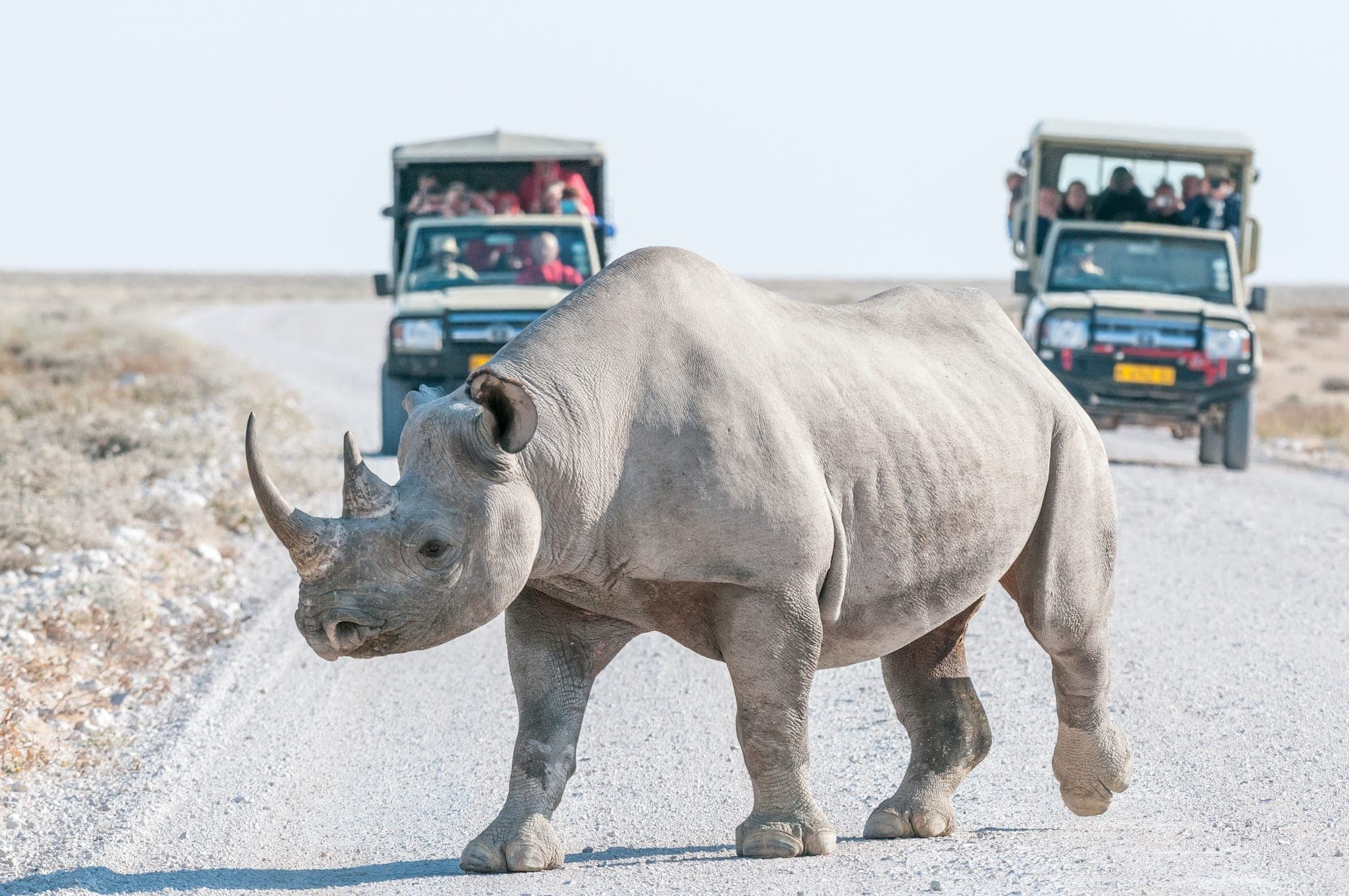
Black rhinoceros: A large, well-managed population across the conservancy. Black rhino are found throughout the savannah and riverine areas and can be encountered on game drives. The conservancy's population represents a genuine conservation achievement in a species that has declined to critical numbers across its range.
Lion: A resident pride system with well-established individuals. Lions are regularly found in the open savannah zones and are well habituated to vehicles. Sighting rates are reliable.
Leopard: Present in the riverine woodland and rocky areas. Less predictably sighted than lion but with consistent presence.
Cheetah: Ol Pejeta has a well-known coalition of cheetah brothers that have been resident for several years. Sightings are consistent in the open grassland areas and the open terrain makes for excellent photography.
African wild dog: Documented within the conservancy and the broader Laikipia ecosystem. Sightings are seasonal and not guaranteed but the conservancy is one of the better places in central Kenya to encounter them.
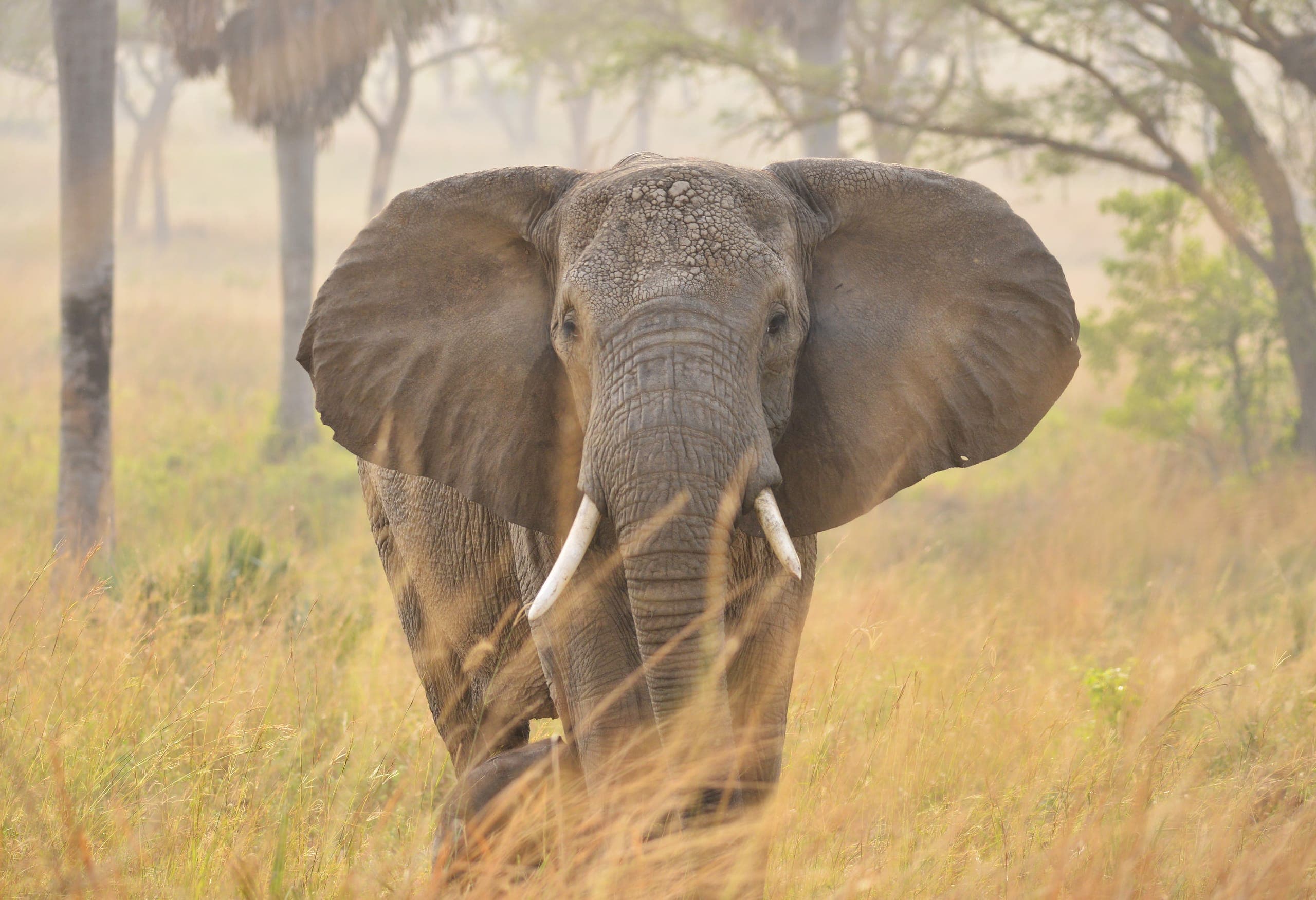
Elephant, Cape buffalo, and Masai giraffe are all present in good numbers. Grevy's zebra and common zebra both occur on the plateau.
Sweetwaters Chimpanzee Sanctuary: A sanctuary within the conservancy for orphaned and rescued chimpanzees from central and west Africa. The chimps are not wild and the context is sanctuary rather than natural habitat, but the facility is well-managed and the visit is informative. Worth including for travelers with children or a specific interest in primate welfare.
On the Ground
Safari Experiences
Game drives across the open plateau and riverine zones cover the full range of species. The conservancy road network is well maintained. Early morning drives (06:00) for predators and late afternoon drives for the golden hour light and grazing activity are the recommended pattern.
Northern white rhino encounter: A dedicated visit to Najin and Fatu with a specialist guide. This is typically a morning activity lasting 30 to 60 minutes and provides both close observation and detailed context about the subspecies and the conservation programme. The experience is calibrated differently from a game drive sighting; it is a considered visit to the last individuals of their kind.
Black rhino sanctuary drives: Guided drives within the designated sanctuary areas where black rhino density is highest and sighting rates are most reliable.
Night drives are available from all camps and are productive for bush babies, serval, genet, and leopard.
Walking safaris with armed rangers on designated walking circuits. The plateau terrain is good for walking and the experience complements game drives well.
Cycling safaris: Guided cycling routes on the conservancy tracks, for physically comfortable stretches where predator risk is managed. An unusual and memorable activity on the open plateau.
Chimpanzee Sanctuary visit: A guided walk through the sanctuary. Scheduled morning visits are the standard format.
Regions of the Park
Open Plateau (Central and North): The main game viewing zone. Open savannah with scattered acacia, good predator habitat, and the areas where cheetah and wild dog are most likely.
Ewaso Ng'iro Riverine Zone: Dense riverine forest along the main river. Leopard, buffalo, hippo, crocodile, and a very different atmosphere from the open plateau.
Northern White Rhino Enclosure: The managed area within the conservancy where Najin and Fatu live. Access on a guided visit basis.
Black Rhino Sanctuary: The designated high-density black rhino zone. Drives here with a ranger guide.
Planning Your Visit
Best Time to Visit
June to October is the dry season and the primary recommended period. Wildlife concentrates around the rivers, vegetation is lower, and predator activity is at its most predictable.
January to February is the short dry season and an equally good alternative. The landscape retains some green from the November rains.
November to December: Short rains. The plateau greens up and migrant bird activity peaks. Game viewing remains good but some tracks soften after heavy rain.
Getting There
By charter flight: Nanyuki Airstrip is 30 minutes from the conservancy. Charter flights from Wilson Airport in Nairobi take approximately 45 minutes. This is the most practical approach.
By road: The drive from Nairobi is approximately 3 hours via Nyeri or the A2 highway north to Nanyuki. The road is good tarmac. A 4WD is recommended for conservancy interior tracks.
From the Aberdares: Approximately 1 to 1.5 hours northeast of the Aberdare Country Club.
How Many Nights
2 nights allows for the northern white rhino visit, a full day of game drives, and a chimpanzee sanctuary visit. The minimum to cover the main features properly.
3 nights adds the black rhino sanctuary drives, night drives, a walking safari, and the cycling option. This allows a comprehensive Ol Pejeta experience at a comfortable pace.
Where to Stay
Luxury Lodges and Camps
Ol Pejeta Bush Camp: A luxury tented camp with a strong game viewing location and personalised service. Limited guest numbers and high-quality guiding. One of the most recommended properties on the conservancy.
Kicheche Bush Camp: A sister camp to the Masai Mara properties, with consistently high guiding standards. Well positioned for predator-focused drives and the open plateau species.
Midrange Lodges and Camps
Sweetwaters Serena Camp: The largest and most accessible camp on the conservancy, positioned near the Ewaso Ng'iro River. Family-friendly with a good range of facilities. The most popular midrange option and a solid performer for the standard Ol Pejeta experience.
Ol Pejeta Eco-camp (Planet Baobab): A tented option with a community focus and a lower price point. A basic but comfortable option for cost-conscious visitors.
Combining With Other Destinations
Samburu National Reserve pairs naturally. Nanyuki is the hub between the two. Charter or road transfer takes 45 minutes to 1.5 hours. Ol Pejeta's Big Five and rhino with Samburu's Special Five creates a strong northern Kenya program.
Aberdare National Park is 1 to 1.5 hours southwest. The night waterhole experience at Aberdare combined with a multi-night Ol Pejeta stay is a central Kenya circuit with a distinctive character.
Masai Mara: Charter from Nanyuki to the Mara takes approximately 1 to 1.5 hours. Ol Pejeta and the Mara are the natural bookends of a Kenya circuit for many travelers.
Lake Nakuru: 2 to 3 hours southwest of Nanyuki via Nyahururu. Combines the fenced rhino experience at Nakuru with the Ol Pejeta conservation program for a rhino-focused Kenya journey.
Photography
Ol Pejeta's open plateau and reliable predator sightings make it one of Kenya's stronger photography conservancies. The cheetah coalition is particularly well known for accessible, predictable sightings in open terrain, producing frame-filling images without competitive vehicle pressure.
The northern white rhino encounter allows photography at close range with a guide who can advise on positioning and timing. The emotional weight of photographing the last two members of a subspecies is a different kind of subject from routine wildlife photography; many photographers find it one of the more meaningful encounters they have had.
Black rhino in open grassland, if the conditions align, produce dramatic close-range images given the fenced concentration. The riverine forest light in the early morning is suitable for atmospheric wide-angle work.
Ol Pejeta Questions
What happened to the northern white rhino?
The northern white rhino was driven to near extinction by poaching for horn during the late 20th century. A small population survived in Garamba National Park in the DRC, but civil conflict and continued poaching eliminated them. The last known wild individual died in 2018. Najin and Fatu (mother and daughter) were moved to Ol Pejeta from a Czech zoo in 2009 and live there under permanent armed guard.
Can the northern white rhino subspecies be saved?
The BioRescue project, a collaboration between the Leibniz Institute for Zoo and Wildlife Research and international partners, is working to create embryos using frozen genetic material from deceased northern white rhinos, with southern white rhinos as surrogates. The science is advancing but the outcome remains uncertain. Several viable embryos have been created as of the mid-2020s.
How close can I get to the northern white rhinos?
The guided encounter allows close approach on foot with a specialist guide, typically to within 10 to 20 metres. The experience is calibrated differently from a game drive sighting: it is a considered visit to the last individuals of their subspecies, with detailed context provided about the animals and the conservation programme.
Is Ol Pejeta a national park or a conservancy?
Ol Pejeta is a privately owned conservancy, managed by a non-profit company. This allows more flexible management of wildlife, activities, and visitor access than the national park framework permits. Game drives, night drives, walking, cycling, and the chimpanzee sanctuary visit are all available in ways that national parks often restrict.
How does the black rhino programme at Ol Pejeta work?
The conservancy maintains a large, fenced black rhino population with veterinary monitoring, anti-poaching protection, and individual identification. Regular monitoring and systematic management have produced significant population growth. The programme is considered one of the most successful black rhino conservation operations in Africa, and Ol Pejeta holds the largest black rhino population on the continent.
What is the Sweetwaters Chimpanzee Sanctuary?
A sanctuary for orphaned or rescued chimpanzees from across Africa. The chimps are not wild and this is not a natural habitat experience, but the sanctuary is professionally run and the visit provides genuine context about primate welfare and the illegal trade in infant chimpanzees. It is a worthwhile addition to a game drive day, typically taking about an hour.
Is Ol Pejeta suitable for a first safari?
Yes. The conservancy's Big Five presence, open terrain, good guiding standards, and range of activities make it an excellent first Kenya destination. The northern white rhino encounter adds a conservation layer that is particularly engaging for visitors new to Africa's wildlife situation.
Can I see wild dog at Ol Pejeta?
Wild dog are documented in the Laikipia ecosystem and occasionally on the conservancy. Sightings are possible but irregular. The conservancy does not have a resident pack, but pack movements in the broader Laikipia landscape mean encounters happen.
When is the best time to visit?
June to October is the primary dry season recommendation, when vegetation is lower and wildlife concentrates near the Ewaso rivers. January to February is also excellent. The conservancy operates year-round and the northern white rhino encounter is available in all seasons.
How do I get to Ol Pejeta and what are the nearby parks?
Ol Pejeta is approximately 230 kilometres from Nairobi: a 3.5 to 4 hour drive or a 40 minute charter flight to Nanyuki airstrip. It combines naturally with Samburu (2 to 3 hours north by charter) and can be paired with Aberdare for a varied central Kenya circuit. Laikipia as a whole offers several conservancies that can be combined for an extended northern Kenya itinerary.
Zorani Expeditions
Plan Your Ol Pejeta Safari
Every Journey we design is built around your goals, not a standard route.
Speak to a Specialist