KENYA · EAST AFRICA
Tsavo West
Volcanic terrain, the Mzima Springs, and varied habitat in a compact western circuit
KENYA · EAST AFRICA
Lava Flows, Springs, and Wilderness
Tsavo West National Park covers 7,065 square kilometres of volcanic landscape, riverine woodland, and open savannah in southeastern Kenya. Together with Tsavo East, it forms one of Africa's largest protected wildlife areas. Where Tsavo East is defined by its flat, semi-arid openness, Tsavo West has more topographic variety: ancient lava flows, volcanic hills, springs, and winding rivers create a landscape with more visual character and a greater diversity of wildlife habitat.
The park holds one of Kenya's more reliable black rhino populations in the Ngulia Rhino Sanctuary. Mzima Springs, fed by underground water filtering through the Chyulu volcanic rocks, produces a clear, spring-fed pool that supports large hippo and Nile crocodile populations and is one of the few places in Africa with an underwater hippo viewing chamber. The Shetani Lava Flow, formed approximately 200 years ago, covers a section of the park's northern area with stark black volcanic rock.
Tsavo West is a park that rewards exploration. It does not deliver the dense, consistent game viewing of a concentrated small park, but the combination of features, habitat variety, and scale makes it one of the more interesting parks in southern Kenya.
Safari Experiences
The Case For Tsavo West
Why Visit Tsavo West
The Ngulia Rhino Sanctuary holds Kenya's largest black rhino population in a managed, fenced area of approximately 90 square kilometres within the broader park. Encounters are not guaranteed on every drive, but the probability of a sighting over two or three days in the sanctuary area is meaningfully higher than in most open savannah parks. For travelers with a specific interest in black rhino, Tsavo West is a serious option.
Mzima Springs is the most visited single feature in Tsavo West and for good reason. The volume of water, the clarity, the hippo pools, and the underwater viewing chamber combine into an experience unlike anything else available in a Kenyan park. It is a stop-and-walk point within a game drive day rather than a standalone activity, but it takes time to do properly.
The park also has a strong predator record. Lion, leopard, and cheetah all occur across multiple habitats. The variety of vegetation types, from dense riverine forest along the Tsavo River to open lava plains, concentrates different predators in different zones and rewards systematic exploration.
Terrain & Ecosystem
Landscape & Environment
The geology of Tsavo West is its most distinctive feature. The Chyulu Hills, a young volcanic range on the park's northern boundary, feed the underground aquifer that surfaces at Mzima Springs. The Shetani Lava Flow from the same geological period covers approximately 50 square kilometres of the park's northern interior with bare black basaltic rock. The Chaimu Volcanic Plug, a steep-sided hill of dark volcanic rock, rises from the surrounding savannah.
The Tsavo River and its tributaries run through the park's southern section, creating dense riverine forest corridors with a very different character from the drier interior. The transition from volcanic rock to riverine woodland to open savannah in a single game drive is part of what gives Tsavo West its variety.
Ngulia Hills in the northwest create an escarpment landscape with views across the Kilimanjaro direction. Ngulia Safari Lodge sits on this escarpment and the hillside area is notable in November and December for migrant bird ringing operations run by the National Museums of Kenya.
Fauna
Wildlife Highlights
Black rhinoceros in the Ngulia Sanctuary are the headline species. The fenced sanctuary protects a breeding population, and guided game drives within the area allow time to search methodically. Success rates are better than in most other parks where rhino are present.
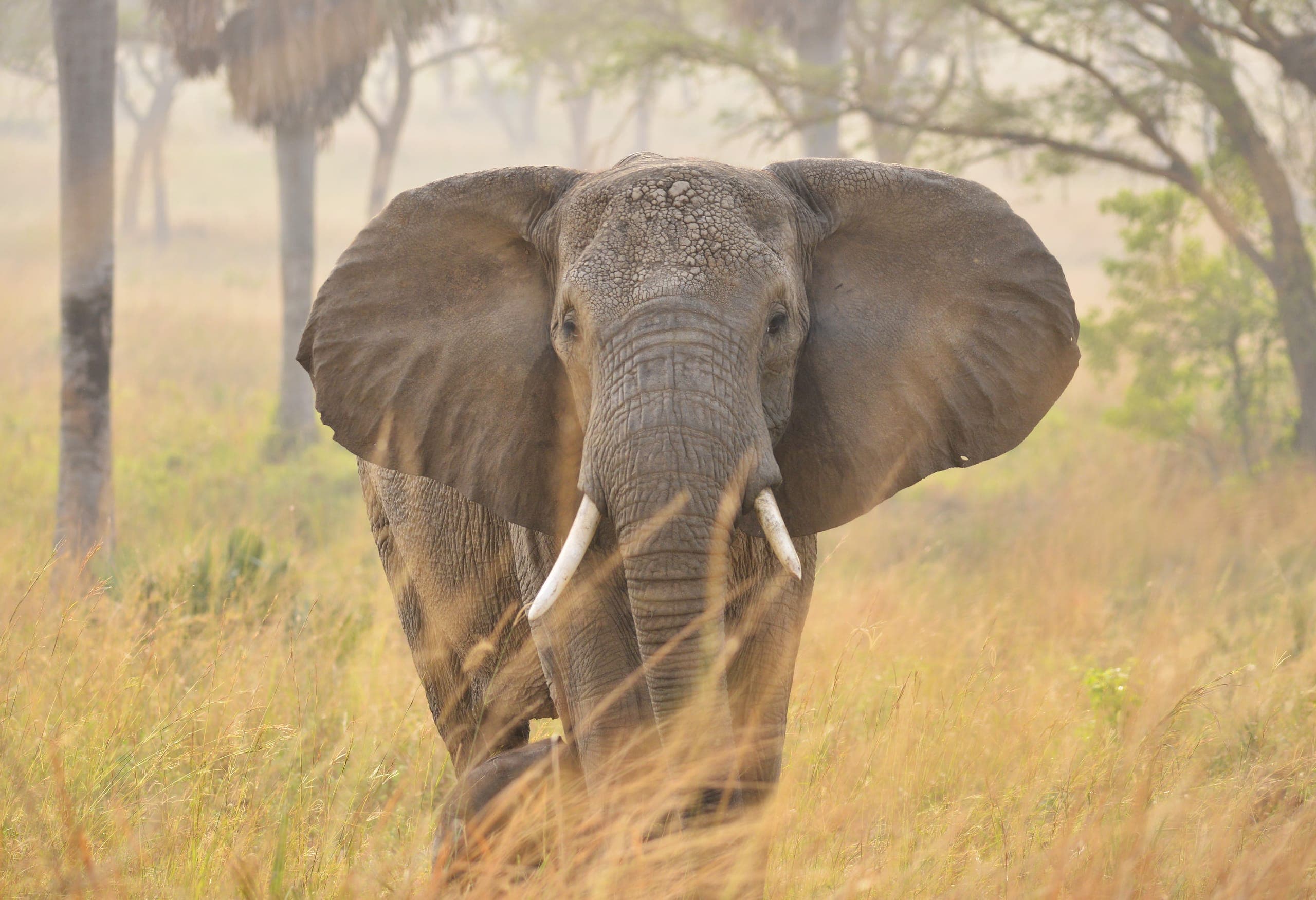
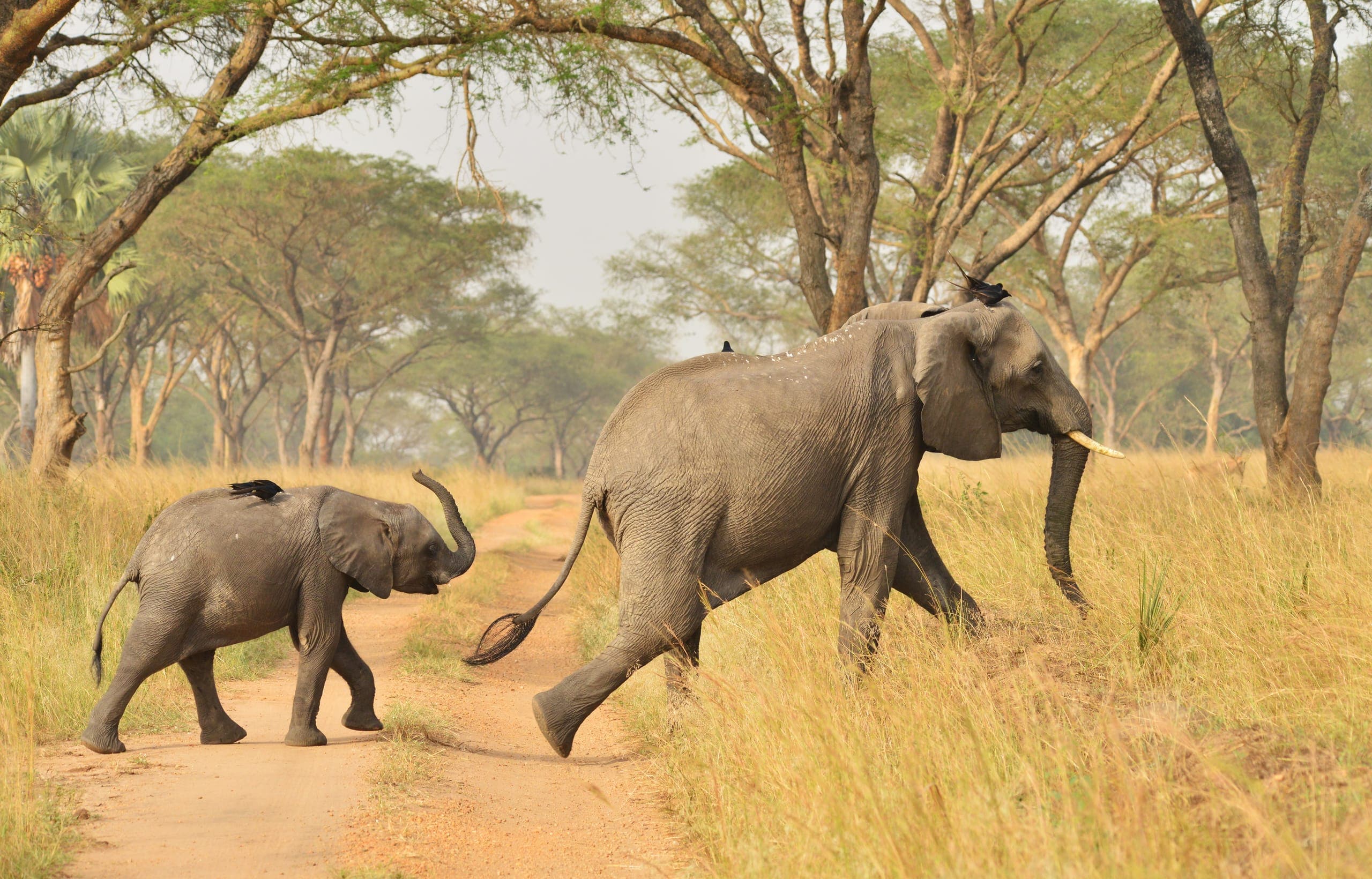
Elephant are common throughout the park and concentrate near the Tsavo River and various waterholes. The herds in Tsavo West tend to be smaller than those in the East but more frequently encountered in denser vegetation.
Lion are well established across the park. The Tsavo River corridor and the areas near Kilaguni Lodge waterhole are consistently productive. Leopard are found in the Ngulia Hills and riverine areas. Cheetah hunt in the more open savannah sections.
Hippopotamus at Mzima Springs are resident and viewable both from the surface boardwalk and from the underground chamber. Nile crocodile are visible sunning on the spring outlets. Buffalo are common in the riverine zones.
Greater kudu is a Tsavo West specialty, occurring in the rocky hills and dense acacia-commiphora habitat. Fringe-eared oryx, eland, and Grant's gazelle are present in the more open sections. Lesser kudu and gerenuk are also recorded.
Birdlife is rich and varied, with Tsavo West holding a distinct assemblage from Tsavo East due to the habitat variety. Taita falcon occurs in the Ngulia Hills. African bare-faced go-away-bird, golden-breasted starling, and white-headed mousebird are among the more distinctive species.
On the Ground
Safari Experiences
Game drives cover several distinct zones: the Ngulia Rhino Sanctuary, the Tsavo River corridor, the lava plains, and the open savannah around Kilaguni and the central area waterholes. A two- or three-day visit should allocate specific drives to specific zones rather than driving at random.
Mzima Springs: A short walk (approximately 1 to 2km) from a designated vehicle parking area. The trail follows the spring-fed stream through a series of pools and viewing platforms. The underground chamber allows face-to-face views of hippo moving through the water. Time here is best in the morning before bus tour groups arrive.
Shetani Lava Flow walk: A short guided walk onto the lava flow near Shetani Camp provides access to the volcanic landscape in a way that cannot be experienced from a vehicle. The terrain is rough underfoot and the heat reflected from black rock is significant midday. Morning is better.
Ngulia Bird Ringing Station: In November and December, the National Museums of Kenya operates a bird ringing programme at Ngulia Safari Lodge that captures and rings migrant birds at the mountain mist. An unusual specialist interest but of genuine value to birders visiting in this period.
Night drives from camps within the park are productive for leopard, serval, genet, and nocturnal birds.
Regions of the Park
Kilaguni Area (Central): The most visited zone, home to Kilaguni Serena Safari Lodge and its floodlit waterhole. Elephant, lion, and a variety of other species use the waterhole consistently. The central location makes this a useful base for all other zones.
Ngulia Hills and Sanctuary (Northwest): The black rhino zone and the escarpment landscape. Cooler temperatures at altitude. The Ngulia Safari Lodge sits above the valley with an atmospheric view across the lowlands.
Mzima Springs Area (Northeast): The spring complex and the most visited single feature. Also good for elephant along the spring outlet stream.
Tsavo River Corridor (South): Dense riverine woodland along the Tsavo River. Productive for buffalo, hippo, crocodile, leopard, and forest birds.
Shetani/Chaimu Area (North): The volcanic landscape zone. Lower wildlife density but geologically the most distinctive section.
Planning Your Visit
Best Time to Visit
June to October is the dry season peak. Wildlife concentrates around water, vegetation is lower, and the Ngulia Sanctuary drives are more productive. The waterholes around Kilaguni are reliably active.
January to February is a short dry season and a good secondary window. The landscape retains some green from the short rains.
November: The start of the short rains and the peak period for migrant bird activity at Ngulia. Some tracks deteriorate.
Getting There
By charter flight: Tsavo Airstrip (near Mtito Andei) handles charters from Wilson Airport in Nairobi (approximately 45 to 60 minutes). Transfers to camp are organised by the lodge.
By road from Nairobi: Approximately 4 to 5 hours via the Nairobi-Mombasa highway (A109) to Mtito Andei Gate. The highway is well-maintained. A 4WD is recommended for park interior roads.
From Mombasa: Tsavo West is approximately 3 to 4 hours from Mombasa along the same highway. This makes it a natural anchor point for a coast-to-interior Kenya circuit.
How Many Nights
2 nights allows for the main zones: Mzima Springs, the Kilaguni waterhole area, and one drive in the Ngulia Sanctuary. Adequate for a Tsavo West introduction.
3 nights is recommended for those who want to cover the Tsavo River corridor, the lava landscape, dedicated rhino drives, and the Chaimu area. A more complete picture of what the park offers.
Where to Stay
Luxury Lodges and Camps
Finch Hattons: A classic luxury camp in the park interior with a strong reputation and a distinctive character built around the Out of Africa era. The camp style is more formal than many modern bush camps. A consistently high standard of food and guiding.
Ol Donyo Lodge (adjacent ecosystem): Located in the Chyulu Hills ecosystem adjacent to the park, this lodge offers access to a private conservancy in addition to game drives in Tsavo West. A strong option for travelers who want to combine private conservancy access with the park.
Midrange Lodges and Camps
Kilaguni Serena Safari Lodge: The long-established central Tsavo West lodge with a floodlit waterhole directly in front of the dining area. Reliable, well-positioned, and the most convenient midrange base in the park. Family-friendly.
Ngulia Safari Lodge: Older in character but with a good location above the Ngulia valley. The bird ringing programme makes it the preferred base for visiting birders in November and December.
Severin Safari Camp: A well-run tented camp in the Tsavo River area, popular for the southern park zones.
Combining With Other Destinations
Tsavo East is the immediate companion. A Tsavo circuit (West and East combined) runs 4 to 5 nights and covers one of Africa's largest contiguous wildlife ecosystems. Charter connections or road transfers between the two parks are manageable.
Amboseli sits west of Tsavo West and completes the southern Kenya triangle. Road or charter connections take 2 to 3 hours.
Kenya Coast: Tsavo West is 3 to 4 hours from Mombasa and Diani Beach. Beach and bush combinations anchored on Tsavo are a practical southern Kenya circuit.
Chyulu Hills: A small national park between Amboseli and Tsavo West with walking, riding, and cave exploration. Works as a single-night break between the two larger parks.
Photography
The geological features at Tsavo West provide photographic subjects unavailable in other Kenyan parks. The black lava flow against Kilimanjaro on a clear day is one of the more unusual wide-angle landscape opportunities in the region. The Mzima Springs underwater chamber produces close hippo images at eye level.
Kilaguni waterhole at dusk, with elephant silhouetted against the fading sky, is a classic Tsavo West image. The floodlighting at the lodge waterhole allows for extended photography into the evening.
For black rhino photography, patience in the Ngulia Sanctuary is required. Encounters tend to be in dense bush; a long zoom is essential and fast autofocus matters when animals move quickly through cover.
Tsavo West Questions
What is Mzima Springs?
A spring-fed pool system fed by underground water filtering through the volcanic rock of the Chyulu Hills. The springs produce approximately 50 million litres of crystal-clear water daily and support large populations of hippo and Nile crocodile. An underwater viewing chamber allows face-to-face encounters with hippo moving through the water: one of the most unusual wildlife experiences in Kenya. The springs also supply water to Mombasa via a pipeline.
What is the Shetani Lava Flow?
A volcanic lava flow estimated to have occurred approximately 200 years ago, covering around 50 square kilometres of northern Tsavo West with stark black basaltic rock. The name "Shetani" means devil in Swahili, reportedly because local Maasai believed the flow was caused by an evil spirit emerging from the earth. A guided walk onto the lava is one of the more unusual land-based experiences in Kenya.
How does Tsavo West differ from Tsavo East?
Tsavo East is larger, flatter, drier, and more defined by its elephant herds and the Galana River. Tsavo West has more topographic variety: volcanic hills, the Mzima Springs, a black rhino sanctuary, denser vegetation, and the Chyulu Hills on its northern boundary. Tsavo West offers more diverse features in a more contained area; many travelers prefer it for a shorter visit. Together the two parks form one of Africa's largest conservation areas.
How likely am I to see black rhino at Tsavo West?
The Ngulia Rhino Sanctuary holds a significant population and dedicated guided drives within the fenced area considerably improve the probability compared to open-range encounters. Success is not guaranteed but over two or three nights with focused sanctuary drives, the probability is meaningful. Inform your camp in advance if rhino is a specific priority.
What makes Tsavo West unique compared to other Kenyan parks?
The geological character is what sets it apart. No other major Kenyan park combines a volcanic lava flow, underground spring system, rhino sanctuary, and diverse large mammal population in the same area. The Chyulu Hills on the northern boundary, the Tsavo River corridor in the south, and the transition between volcanic rock and open savannah give it more visual variety than most parks of comparable size.
Can I combine Tsavo West with a coastal stay?
Yes. The Mombasa coast and Diani Beach are 3 to 4 hours from the park's main entry gates at Mtito Andei or Tsavo. Many travelers combine a Tsavo circuit with 2 to 3 nights on the coast as a final Kenya segment. The drive from Tsavo West toward Mombasa through the Tsavo Gate passes through evocative dry bush landscape.
Is Tsavo West suitable for self-drive?
Self-driving is permitted. Navigation around Kilaguni and the central area is straightforward. Remote sections require careful navigation and a reliable 4WD. Game drives with a guide add significantly to the encounter quality, particularly for black rhino in the sanctuary and for finding lion along the Tsavo River corridor.
When is the best time to visit?
June to October is the primary dry season recommendation. January to February is also good. Tsavo West receives more rainfall than Tsavo East due to influence from the Chyulu Hills and proximity to the coast weather system, which makes it greener but can make some tracks harder in the rains. November is notable for birders: the Ngulia area hosts significant migrant ringing operations run by the National Museums of Kenya.
How do I get to Tsavo West?
The main Mtito Andei Gate is approximately 250 kilometres from Nairobi on the Nairobi-Mombasa highway: about 3 to 3.5 hours by road. Charter flights serve Kilaguni airstrip within the park and Mtito Andei airstrip near the gate. For travelers coming from the coast, Tsavo Gate near Voi is the more direct entry from the Mombasa direction.
What accommodation is available in Tsavo West?
Kilaguni Serena Safari Lodge, one of the oldest lodges in Kenya, sits in the central area with a waterhole and is consistently productive for elephant, lion, and other species. Finch Hattons is the luxury benchmark, set on a spring-fed pool with high standards of food and guiding. Sarova Salt Lick and Severin Safari Camp are among the other established options in and around the park.
Zorani Expeditions
Plan Your Tsavo West Safari
Every Journey we design is built around your goals, not a standard route.
Speak to a Specialist