The mountains across Uganda, Tanzania, and Rwanda cover a wide range of difficulty, altitude, terrain type, and technical demand. Kilimanjaro is the largest objective on the continent and draws the most attention, but it is not the only mountain worth building a journey around.

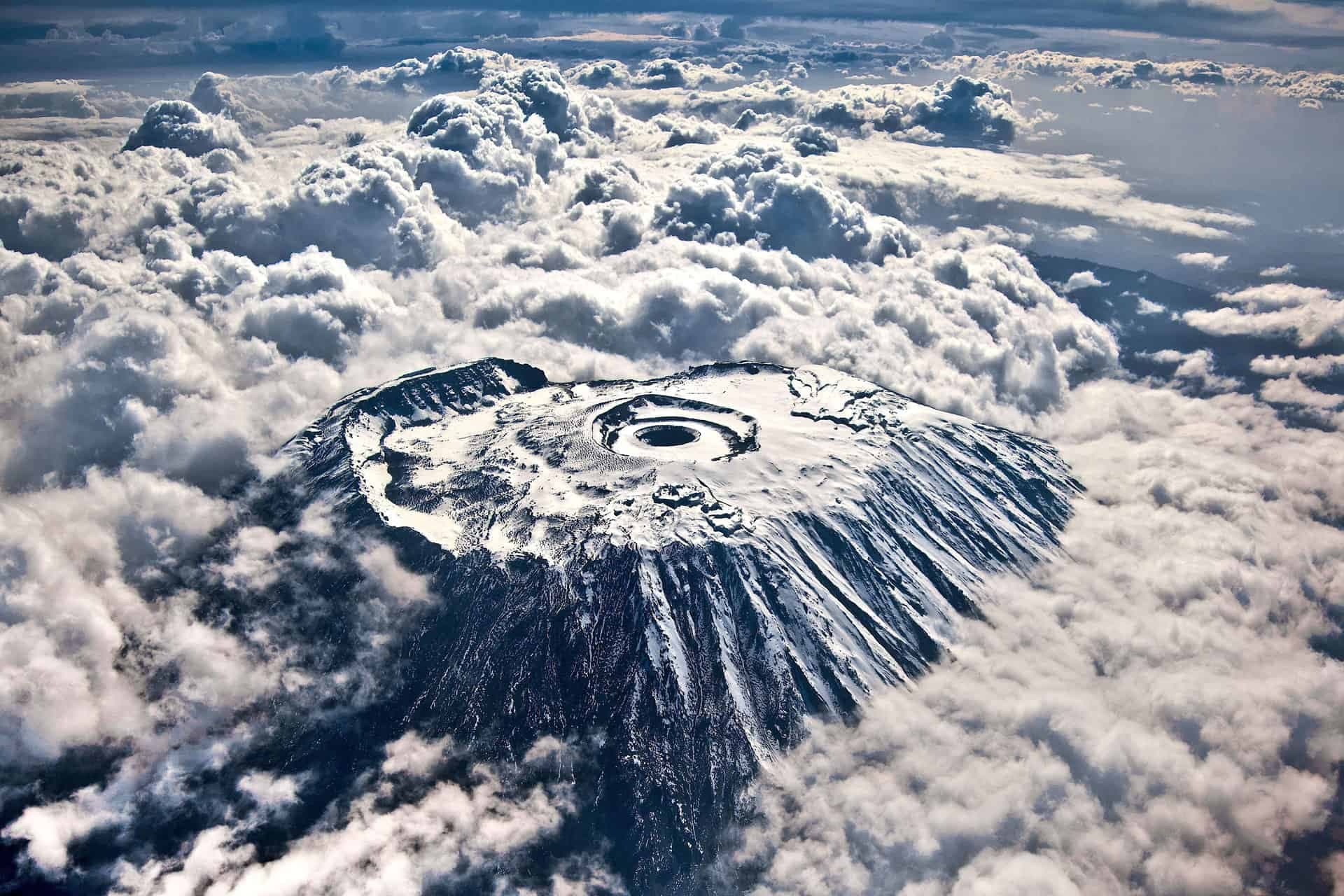
DORMANT STRATOVOLCANO 5895M
Mount Kilimanjaro, Tanzania
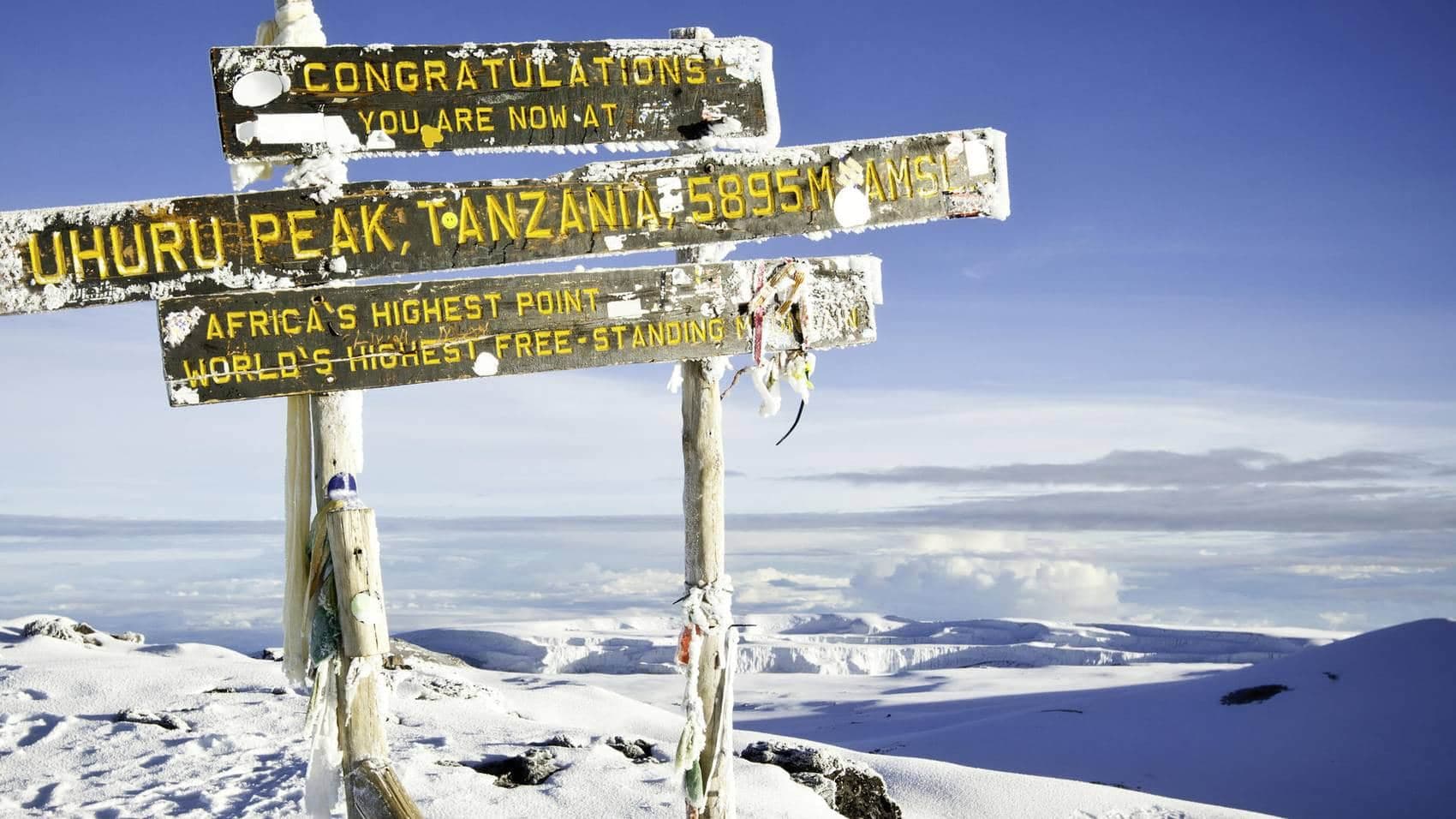
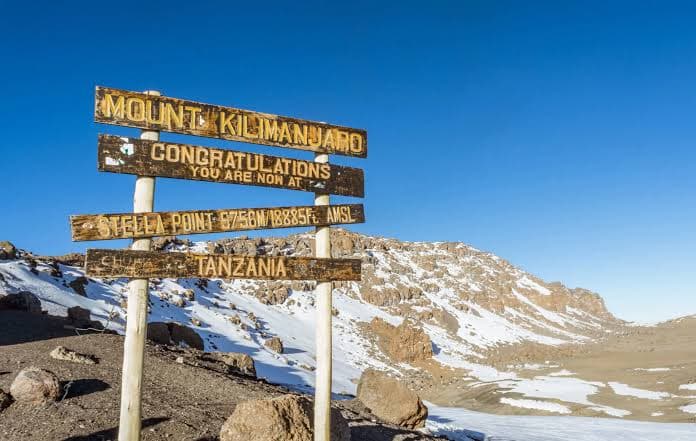
Kilimanjaro is a dormant stratovolcano with three distinct peaks Kibo (5,895m), Mawenzi (5,149m), and Shira (3,962m). The summit crater, Uhuru Peak, is the highest point in Africa. The climb requires no technical mountaineering equipment and no roping up, which is why it attracts a broad range of trekkers. It also sits at an altitude where acute mountain sickness is a genuine risk that determines who reaches the summit.
Acclimatisation is the central planning variable. Route choice determines how much time you spend ascending and how well your body adapts to altitude before the final push.

.jpg&w=3840&q=75)
TRAIL SELECTIONS
Kilimanjaro Route Options
Machame Route (6-7 days)
The most popular non-Marangu route. It is more scenic than Marangu, involves good altitude variation, and gives a reasonable acclimatisation profile. The seven-day version is strongly preferable to the six-day; the additional night at altitude meaningfully increases summit success rates.
Lemosho Route (7-8 days)
Quieter than Machame, begins on the western approach through forest, and gives more days on the mountain, which aids acclimatisation. It is the better choice for clients who want more time and fewer other trekkers on the trail.
Marangu Route (5-6 days)
Uses mountain huts rather than tents and is the only route that follows the same path up and down. It is shorter and therefore has lower acclimatisation time and success rates are lower than on the longer routes. It is not the easy option it is sometimes presented as.
Northern Circuit (9-10 days)
The longest available route and circles most of the northern side of the mountain before ascending. It has the best acclimatisation profile and the lowest crowds, but the extended duration is not suitable for all clients.
ESSENTIAL PLANNING
TANAPA Kilimanjaro Park Permits & Fees
Permit Pricing
USD 800 to USD 1,100 per person (Standard 7-Day Climb)
Daily Conservation Fee: USD 70 per person per day.
Nightly Camping/Hut Fee: USD 50 per person per night.
One-time emergency evacuation rescue fee: USD 20.
Requires fully licensed local operations and registered mountain crew. Solo climbing is strictly prohibited.
AFRICA'S SECOND HIGHEST PEAK
Mount Kenya
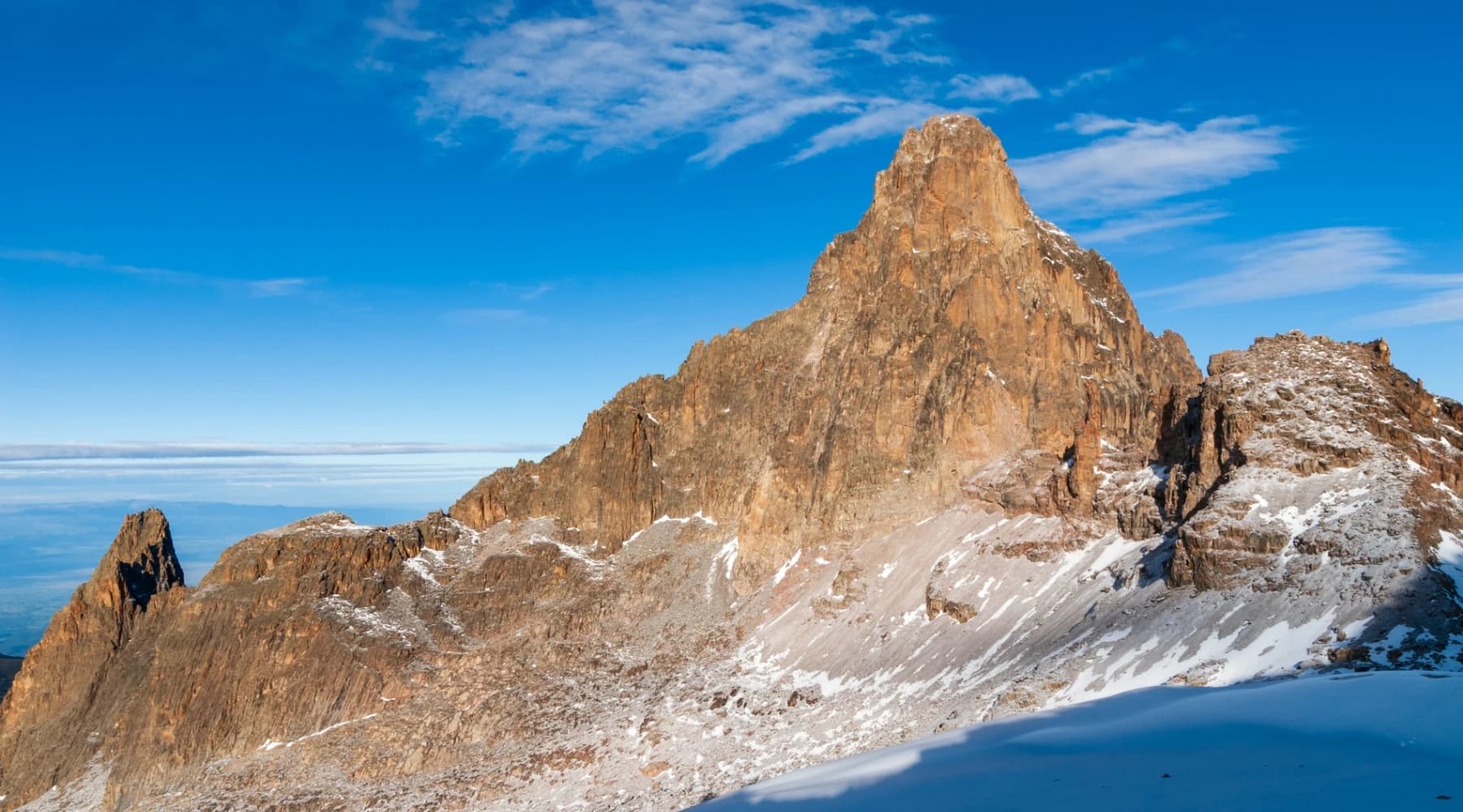
Point Lenana (5,199m) offers a serious trekking objective with far fewer crowds than Kilimanjaro.
Mount Kenya is Africa's second-highest peak at 5,199m (Point Lenana, the trekking summit). It is less commercial than Kilimanjaro, more technically demanding on the higher routes, and typically far quieter. The mountain sits almost exactly on the equator and has multiple distinct climate zones from forest to moorland to alpine desert.
The Point Lenana route via the Sirimon-Chogoria traverse takes four to five days and requires solid fitness and some basic scrambling. It does not require technical climbing equipment. The main technical routes to Batian and Nelion peaks are for experienced mountaineers only.
Mount Kenya suits clients who want a serious trekking objective with far fewer people than Kilimanjaro, and who are comfortable with a more committed itinerary. It combines well with a Kenya wildlife journey — Aberdare National Park or Laikipia are within a few hours.

MOUNTAINS OF THE MOON Margherita Peak 5109M
Rwenzori Mountains, Uganda
The Rwenzori the 'Mountains of the Moon' are a non-volcanic range on the Uganda-DRC border, with the highest peak, Margherita, reaching 5,109m. The range is UNESCO-listed, has a genuinely remote character, and sits in a permanently mist-laden environment that produces some of the most unusual high-altitude flora on the continent including giant lobelias, groundsels, and heathers that grow to several metres.
Trekking the Rwenzori is demanding. The terrain is wet, steep, and in places technical. The central circuit takes around seven to nine days. It is not suitable for average-fitness trekkers and requires solid mountain experience. For the right traveler, one who wants altitude, remoteness, and a mountain experience that bears no resemblance to anything else in East Africa, the Rwenzori is worth understanding seriously.


SINGLE-DAY VOLCANIC TREKS
Volcanoes National Park, Rwanda — Shorter Hikes
Mount Bisoke (3,711m) crater lake hike or Mount Karisimbi (4,507m) overnight alpine challenge.
For travelers in Rwanda who want altitude but not a multi-day commitment, Volcanoes National Park offers single-day hikes to the summits of two accessible volcanoes. Mount Bisoke (3,711m) takes around six hours to return and passes by a crater lake at the summit. Mount Karisimbi (4,507m) is a two-day hike and requires a tent and overnight camping at altitude.
Both hikes are managed through the Rwanda Development Board and require separate trekking permits. They combine naturally with gorilla trekking in the same park.


READY FOR ADVENTURE
Talk to a Travel Designer
Begin planning your bespoke mountain trekking journey. Our designers will handle every detail of your safari.
SPEAK TO AN EXPERTIMPORTANT DETAILS
Planning Notes
Kilimanjaro: do not underestimate acclimatisation. The seven-day Machame or eight-day Lemosho route is the right choice for most clients. Summit success rate drops significantly on shorter routes.
Fitness requirements for Kilimanjaro: regular aerobic exercise over several months before the climb is advisable. The altitude is the challenge, not the terrain but unfit trekkers tend to acclimatise more poorly.
Mount Kenya and Rwenzori: only suitable for clients with solid trekking experience and ideally some prior high-altitude exposure.
Travel insurance covering high-altitude trekking and emergency evacuation is non-negotiable for Kilimanjaro, Mount Kenya, and the Rwenzori.