Laikipia
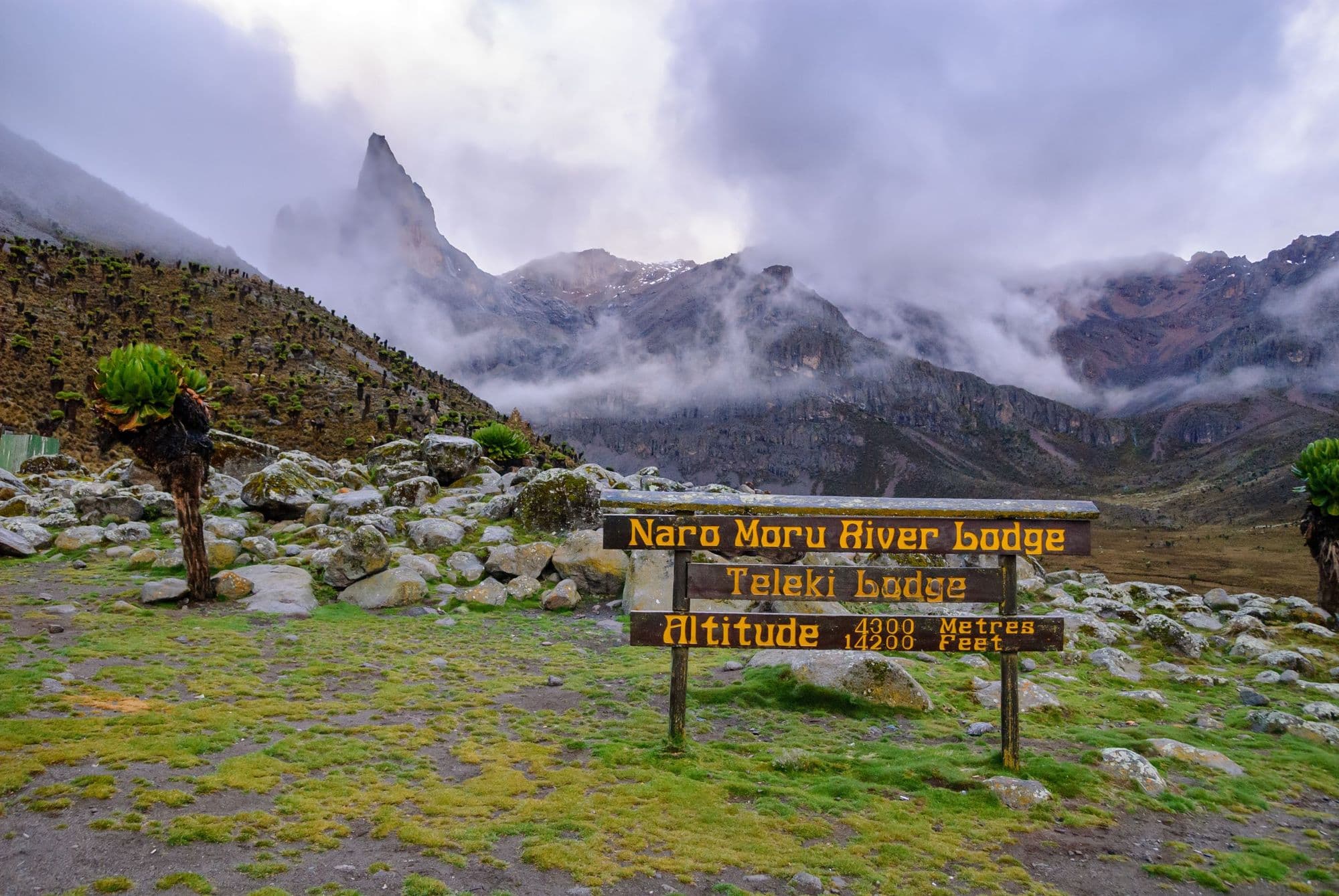
Laikipia is not a national park. It is a plateau: a landscape of private ranches and community conservancies covering roughly 9,800 square kilometres at the base of Mount Kenya.
Central Kenya, north and west of Mount Kenya
Roughly 9,800 km² Plateau
Ol Pejeta, Lewa, Borana, Loisaba, Ol Jogi, Mukutan
The Private Ranched Plateau
Laikipia is not a national park. It is a plateau (a landscape of private ranches and community conservancies covering roughly 9,800 square kilometres at the base of Mount Kenya) that has become one of Kenya's most important wildlife areas through conservation innovation, community land tenure, and land-use agreements that have kept large tracts of the Kenyan highlands as wildlife habitat.
The result is a different kind of safari experience. Access to wildlife areas is through the lodge or camp you stay in. Activities are guided by the specific conservancy: night drives, walking safaris, horse riding, and camel trekking are widely available in ways they are not in most national parks.
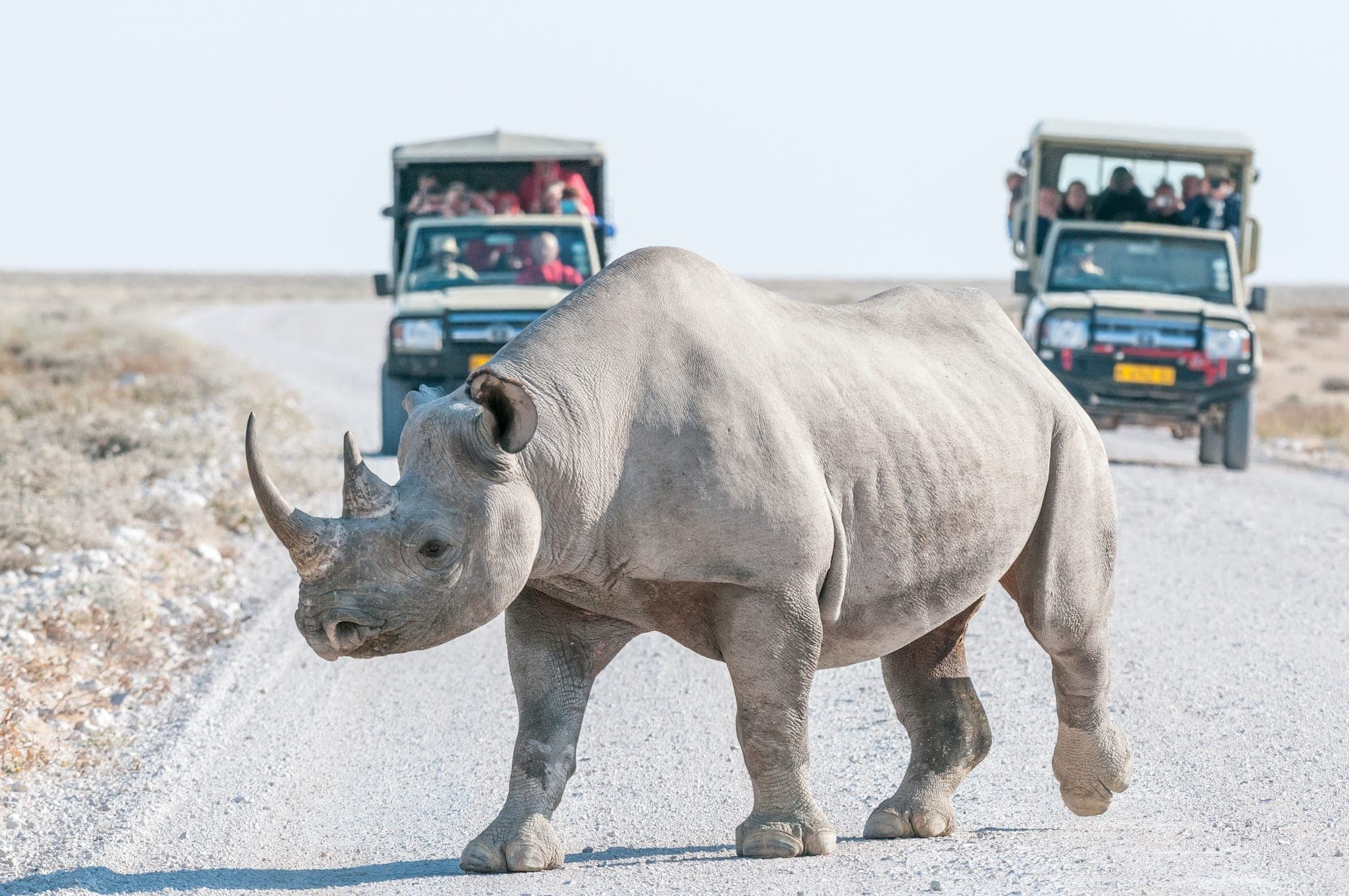
“Laikipia contains one of Kenya's largest populations of black rhino, the world's last two northern white rhinos (at Ol Pejeta Conservancy), and one of the most significant African wild dog populations in the country.”
Wildlife & Private Conservancies
Laikipia is a Big Five destination. Lion, elephant, leopard, buffalo, and both black and white rhino are present. The specific conservancies vary in what species they hold best:
Ol Pejeta Conservancy
Largest black rhino population in East Africa; only location of the last two northern white rhinos; significant lion, elephant, cheetah.
Lewa Conservancy
Strong black rhino and Grevy's zebra populations; lion, elephant, wild dog, over 350 bird species.
Borana Conservancy
Excellent big cat viewing, black rhino, elephant.
Loisaba Conservancy
Large predator populations including lion, leopard, cheetah; recently black rhino reintroduced.
Arid Fauna & Avians
Beyond the Big Five: African wild dog (particularly Lewa and Ol Pejeta), Grevy's zebra (endangered), reticulated giraffe, greater kudu, Beisa oryx, gerenuk, striped hyena, and over 500 bird species across the plateau.

Conservancy Activities
The private status of Laikipia enables deep activities strictly prohibited in standard reserves.
Conservancy game drives are private, go off-road, and cover large areas of managed wildlife habitat. The top properties consistently deliver excellent predator viewing, rhino encounters, and sightings of wild dog and Grevy's zebra that are absent from the main reserves.
One of the best walking safari destinations in Kenya. The terrain is open enough to move safely on foot, and the conservancy model permits extended, properly guided walks. Several camps offer multi-day walking itineraries.
Several Laikipia conservancies offer horseback game viewing: Lewa, Borana, and Loisaba among them. Kenya's horse safari tradition is strongest here. Riding close to elephant, zebra, and giraffe is a different experience from any other safari activity.
A handful of northern Laikipia camps offer multi-day camel-supported bush walks: Samburu-guided journeys on foot through remote landscape. One of the more distinctive activities in Kenya.
The Sweetwaters Rhino Sanctuary at Ol Pejeta provides guided encounters with black rhino at close range. The northern white rhino enclosure (housing the last two individuals of the subspecies) is open to visitors with a conservation education focus.
Available across most conservancies. Particularly productive for leopard, African wildcat, serval, porcupine, genet, and occasionally aardvark and pangolin.
12-Month Seasonal Rating
Best Time to Visit
December to March and July to October are best for wildlife viewing. The long rains (April to June) can make some tracks difficult but birding is exceptional and operations continue.
Getting There
Approximately three hours by road from Nairobi, via Nanyuki town. Most conservancies have their own airstrips reachable from Wilson Airport in under one hour.
How It Fits Into a Journey
Laikipia combines naturally with Samburu National Reserve (two hours further north), the Maasai Mara (fly south), or as a Mount Kenya base. For clients wanting a Kenya journey beyond the standard Mara-Amboseli circuit, Laikipia offers better rhino, better wild dog, more space, and activities unavailable in the national parks.
Frequently Asked Questions
Do I need to choose a specific conservancy?
Yes. Laikipia is a collection of separate private conservancies, each with different wildlife strengths, accommodation styles, and activity offerings. Your experience in Laikipia is entirely defined by which conservancy you stay in. Zorani advises on which suits your specific itinerary, budget, and wildlife priority.
Is Laikipia suitable for families?
Yes, with the right conservancy choice. Several properties are well-set-up for families. The walking and horseback activities are available for older children (typically ten and above).
Start planning your safari
Tell us what interests you. Our safari specialists will create a tailor-made Journey and take care of every detail.
Talk to a safari specialist