Conservation and travel
Ask how conservation fits your JourneyConservation should not be a mood or a marketing claim. It is a question of management: who holds the land, who makes decisions, what system supports the work, and what a traveller can reasonably understand about their place in it.

Start with management, money and accountability
This page explains conservation models travellers may encounter in places where Zorani plans Journeys. It is not a catalogue of bookable participation: any visit or programme must be named and its current access arrangements verified before it is proposed.

Gorilla permits and protected habitat
Permit revenue, community funding, and cross-border conservation have contributed to mountain gorilla recovery.
Gorilla permits support protected-area management in Uganda and Rwanda. The amount, category, and conditions vary by country, activity, and travel date, so current authority guidance should be checked before booking.
Reservation windows, payment requirements, and low-season rules can change. We confirm the applicable terms with the administering authority before a Journey is finalised.
Both countries operate community revenue-sharing programmes, but the mechanism and eligible projects differ. Any contribution claim should be tied to the named authority or programme rather than generalised.
The mountain gorilla's conservation status has improved after sustained protection work, but threats remain. A stronger classification is not the same as a guarantee of security.

Conservancies in Kenya
Private conservancies around the Maasai Mara and in Laikipia use agreements between landowners and safari operators to keep land available for wildlife while creating a defined income stream. The terms and beneficiaries vary by conservancy, so the relevant model should be named rather than generalised.
For a traveller, the conservancies typically offer lower vehicle density, a broader range of activities, and smaller camps than the main national reserve. The conservation model is the structural reason those differences are possible.
The conservancies in northern Kenya, including Laikipia and the Samburu area, extend this model to different landscapes and wildlife. Laikipia is particularly notable for its black rhino population and for community conservancy models involving non-Maasai communities. Ol Pejeta and Lewa Conservancy have been central to Kenya's rhino conservation effort.
Rhino work requires long-term judgement
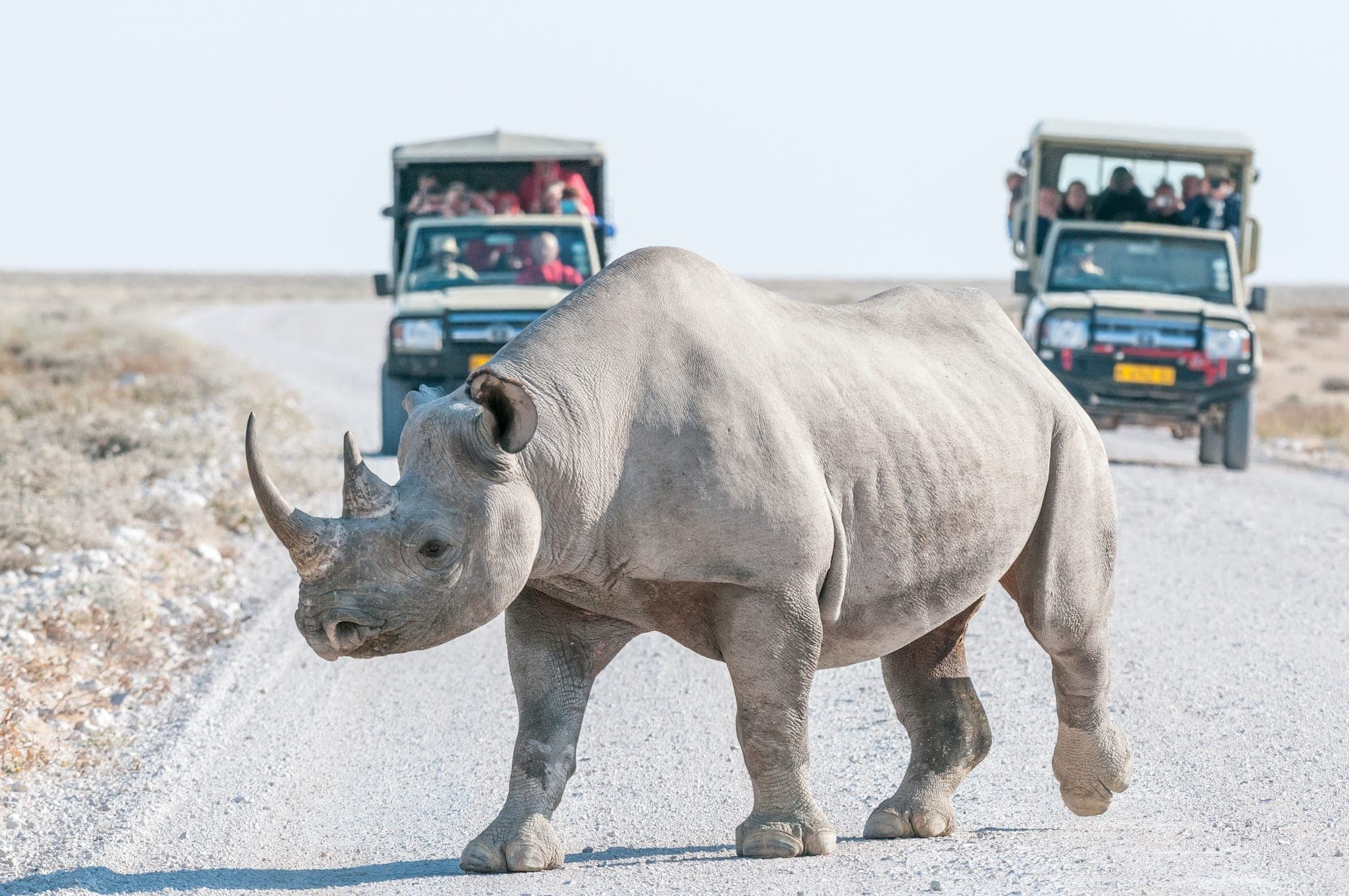
Rebuilding black and white rhino populations from near-extinction through intensive rewilding partnerships.
Rhino conservation across East Africa depends on intensive, named programmes whose current outcomes should be read from the organisations managing them. Akagera and Ol Pejeta offer different contexts for understanding this work; any visit should be confirmed directly against the programme operating at the time of travel.
What this changes in a Journey
Conservation need not dominate a Journey. The useful context is practical: which permit or conservancy fee applies, who administers it, and what the named programme says it supports.
For travellers with a specific conservation interest, Zorani first verifies whether a named programme offers appropriate visitor access for the proposed dates. Only then should it become part of a Journey.
Start planning your safari
Tell us what interests you. Our safari specialists will create a tailor-made Journey and take care of every detail.
Plan a Journey with clear conservation contextJourneys built around Conservation and travel
A small selection of published Journeys that use this experience as part of their route.