
Wildlife by habitat and season
Wildlife Guide
The Serengeti's plains, rivers, kopjes, and woodlands support varied wildlife. This guide explains how habitat, weather, and seasonal movement affect a search.
Field guide
Wildlife presence and search conditions
These labels describe broad ecological presence, not the chance of a sighting on a particular drive.
Lion
Territorial prides; location and activity vary

Elephant
Woodland and river systems; movement follows water and forage
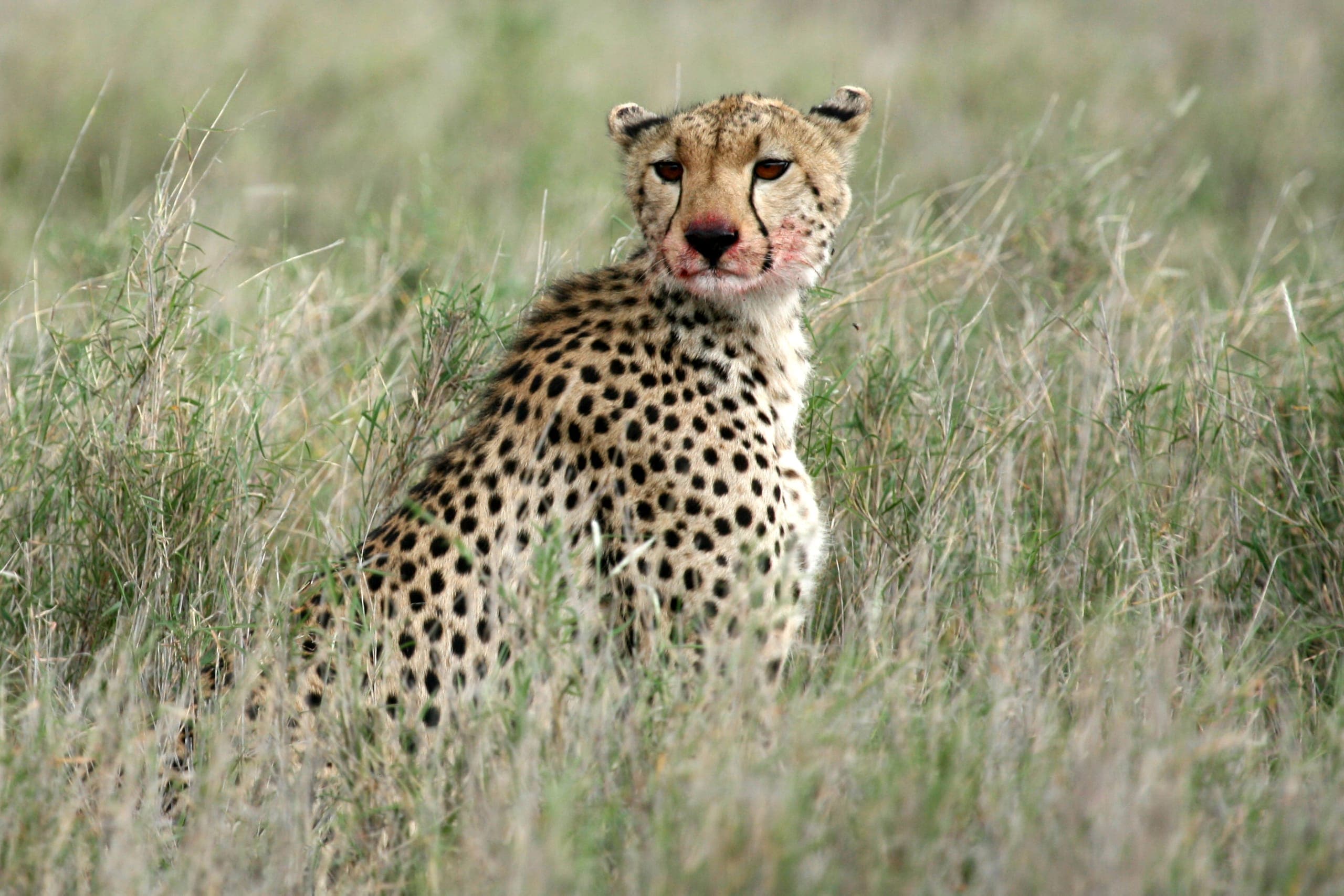
Cheetah
Open plains; hunts and cub sightings are unpredictable
 Illustration
Leopard
Riverine woodland, kopjes, and other areas with cover
 Illustration
Buffalo
Grassland and water-access areas; herd size varies
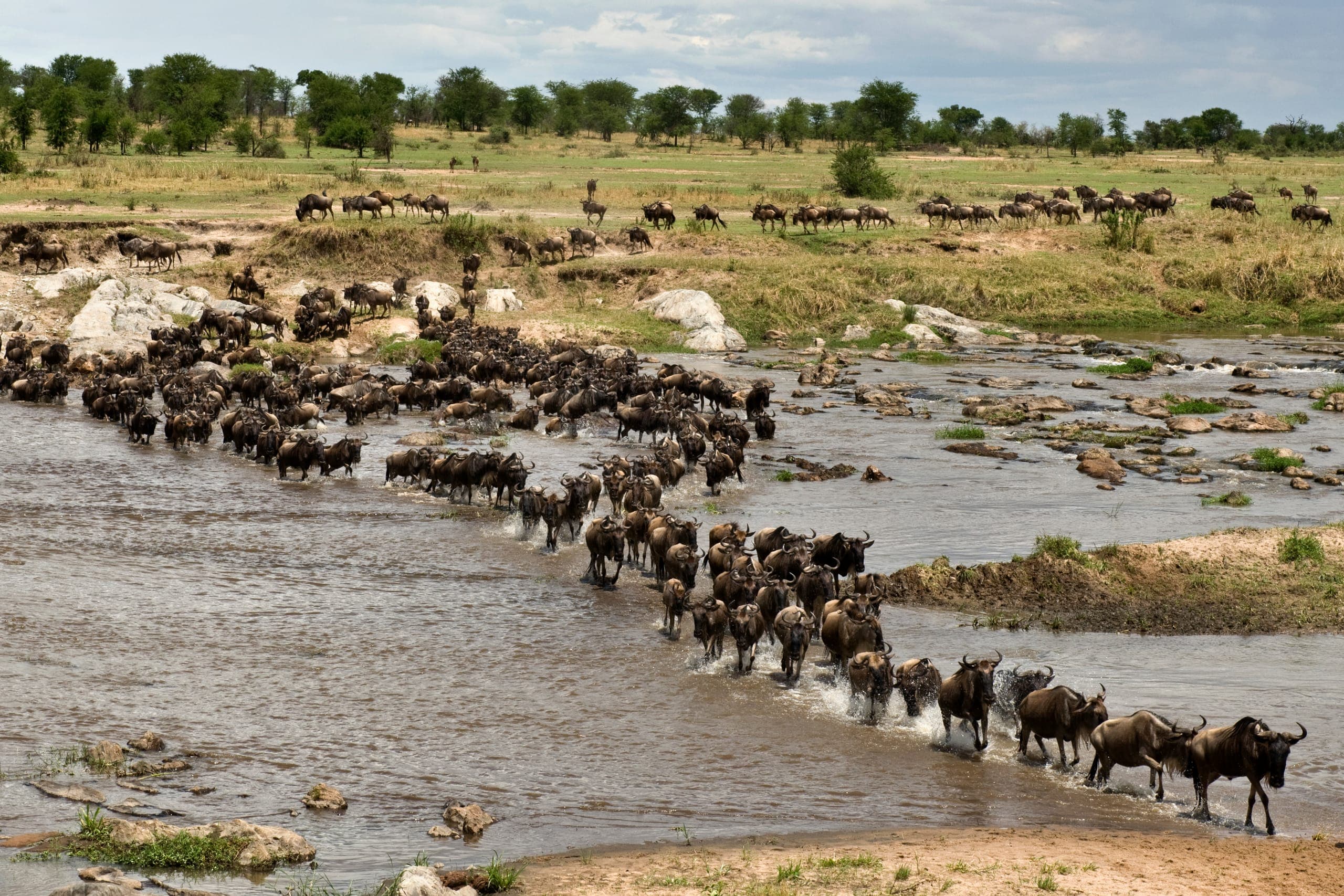
Wildebeest
Distribution changes with rainfall, forage, and herd movement

Zebra
Resident and mobile groups occur across several regions
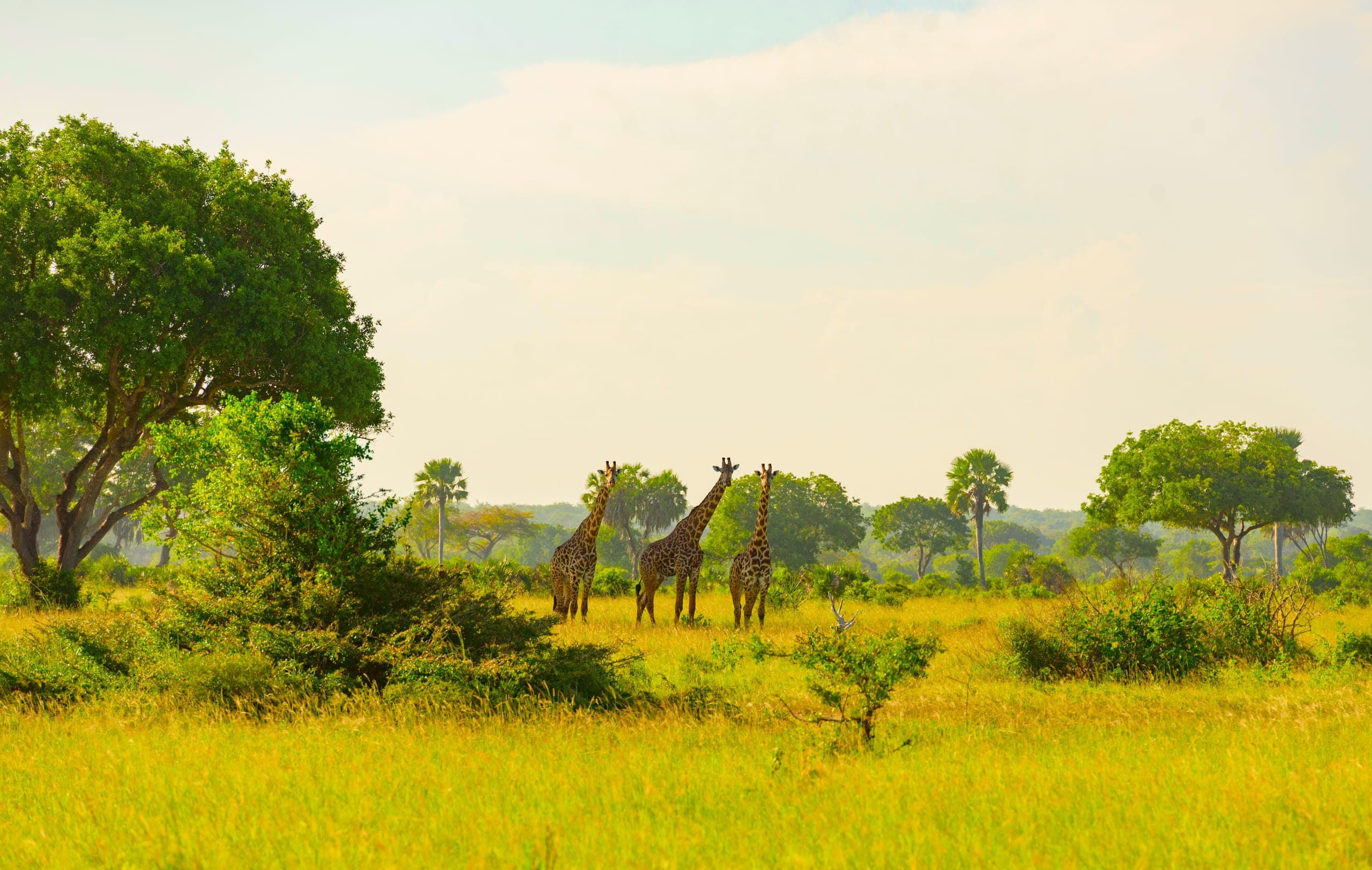
Giraffe
Often associated with woodland and browse
 Representative image
Hippo
River pools and permanent water
 Illustration
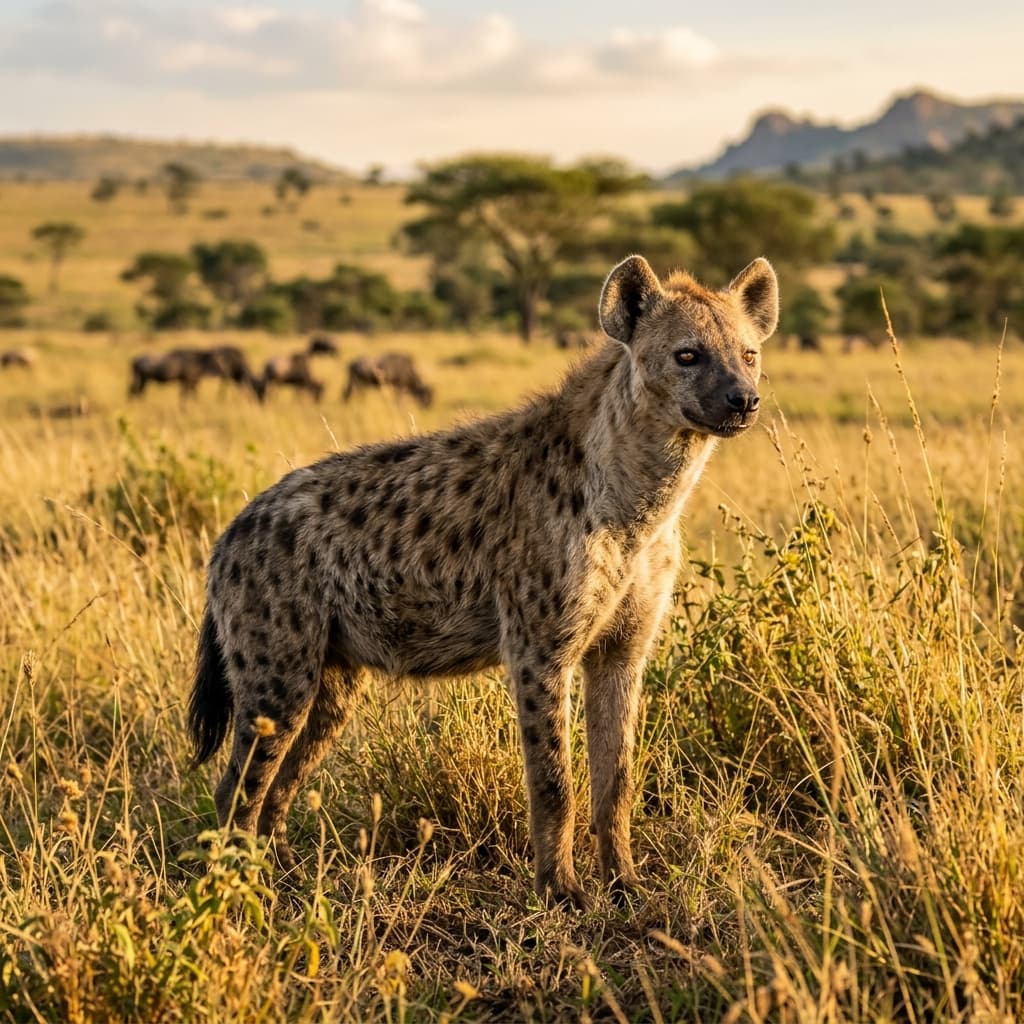
Spotted Hyena
Social groups range across grassland and woodland
 Illustration
Black Rhino
Present in limited areas; sightings are uncommon
 Illustration
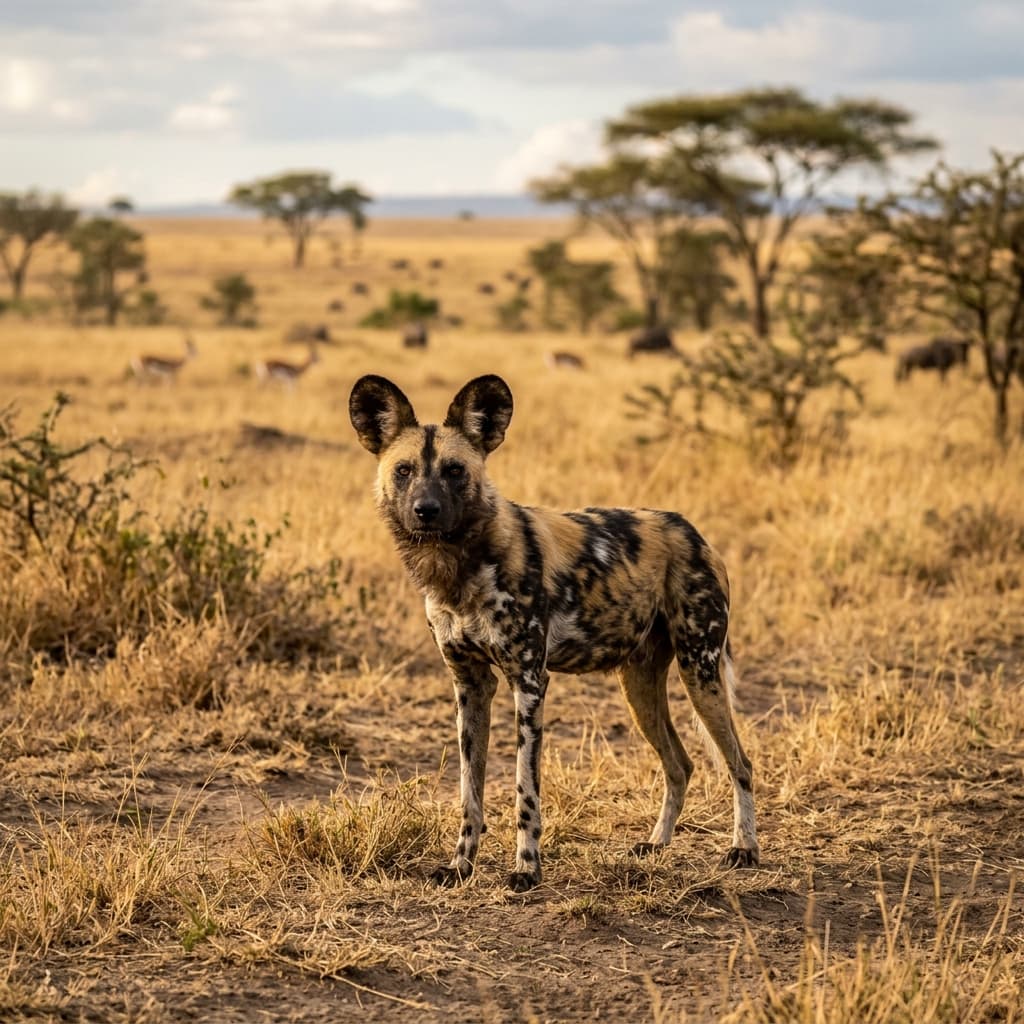
African Wild Dog
Wide-ranging and seldom encountered
 Representative image
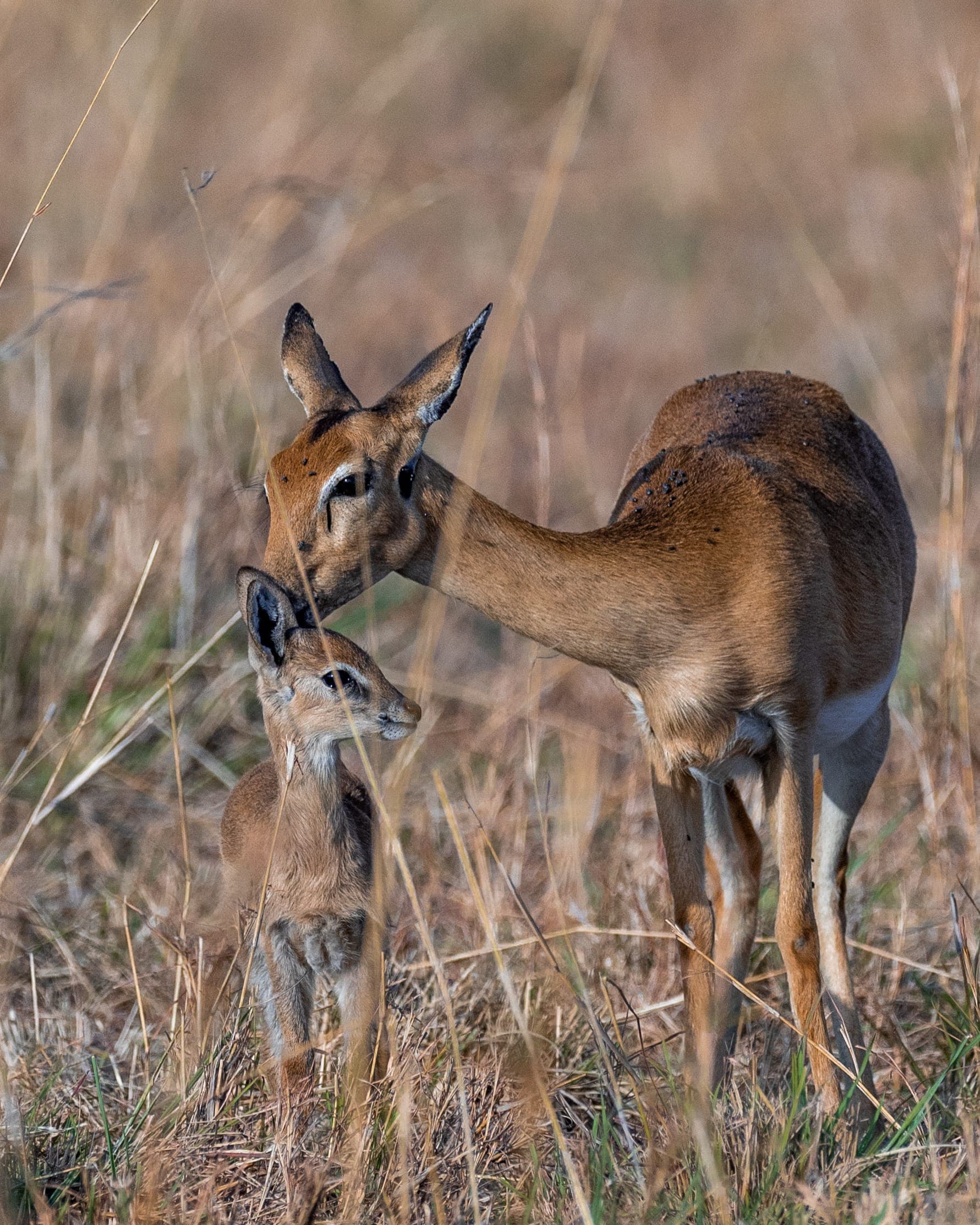
Topi
Open grassland in several regions
 Illustration
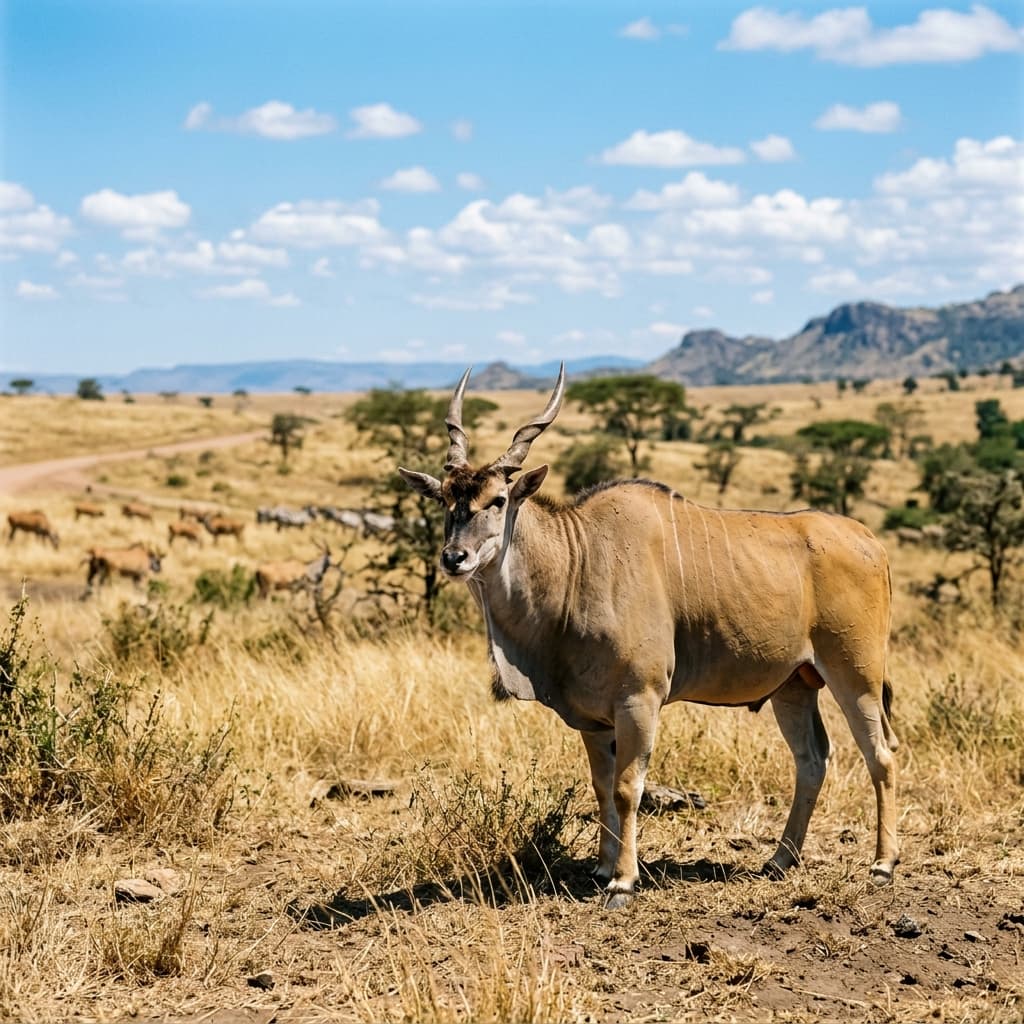
Eland
Mobile groups may use open plains and woodland edges
 Illustration
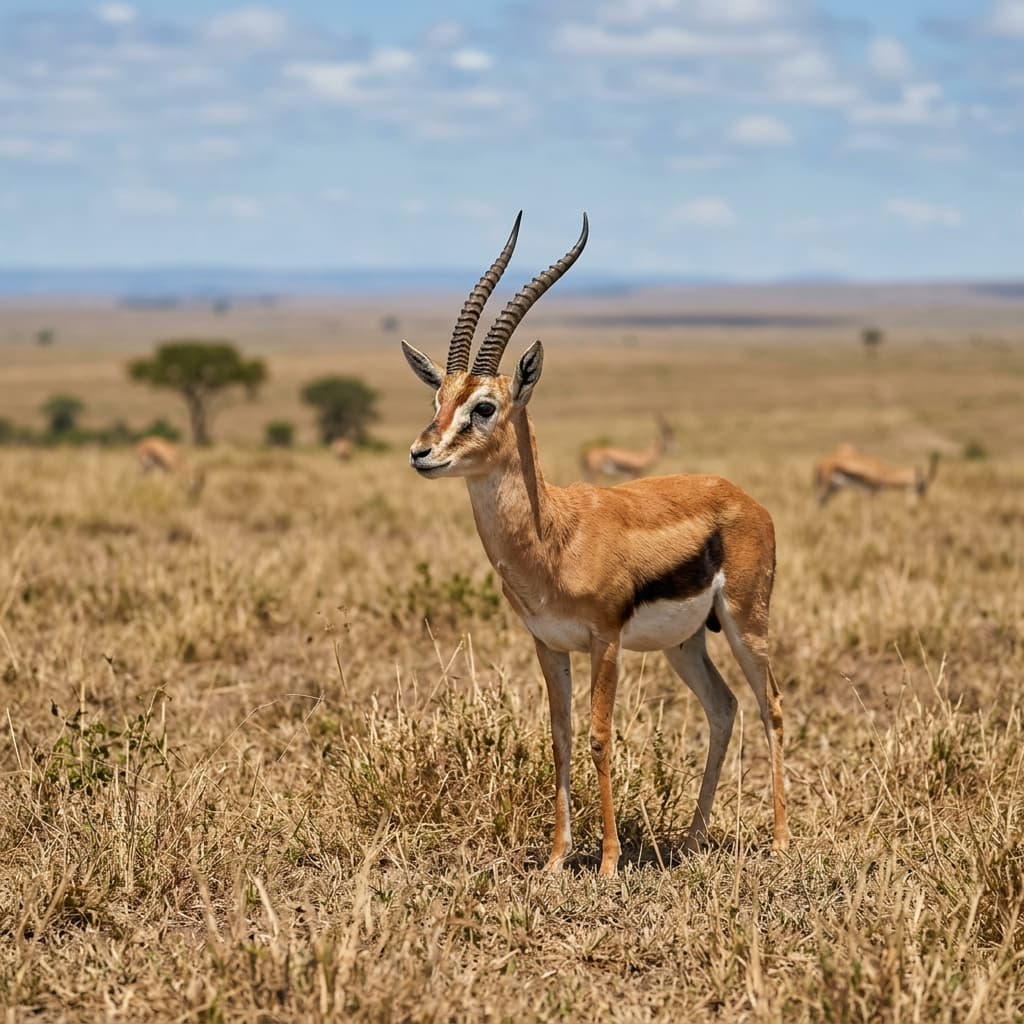
Thomson's Gazelle
Distribution changes with grass and rainfall
 Illustration
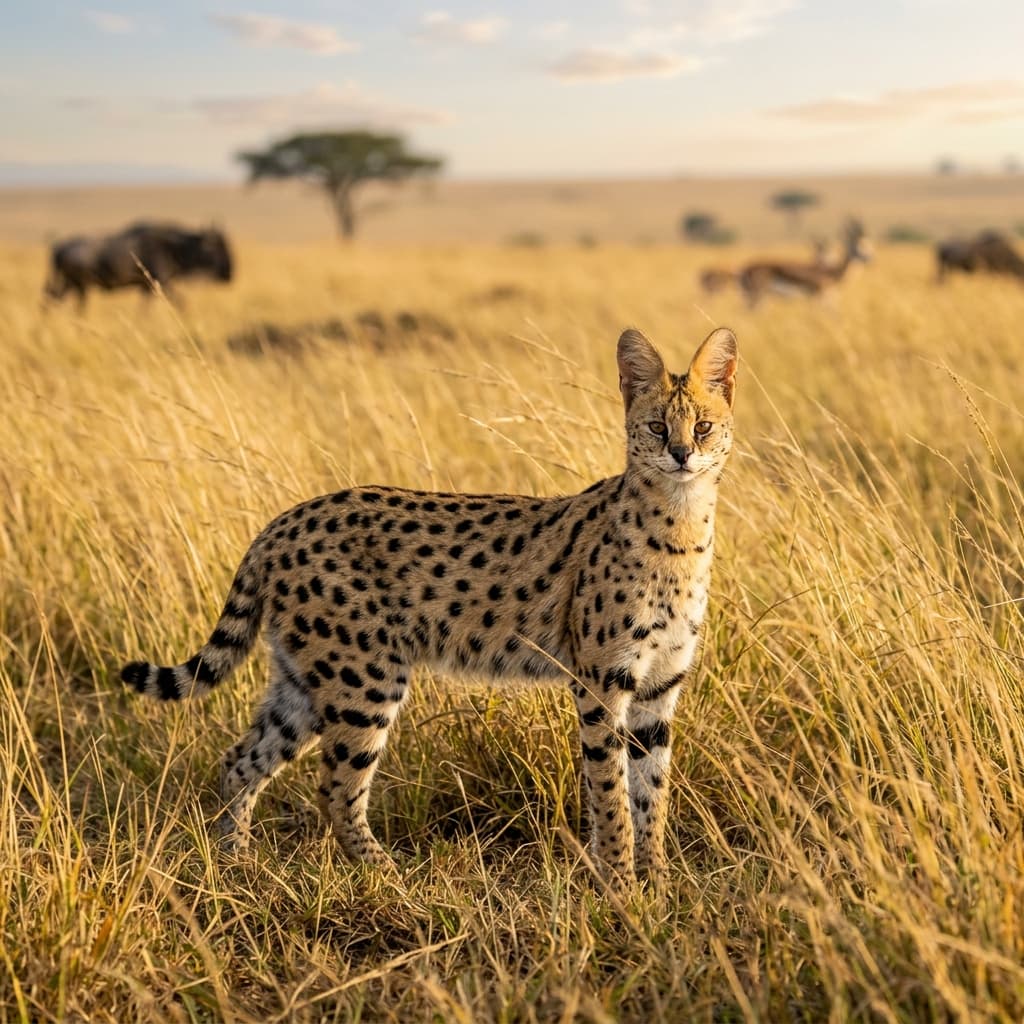
Serval
Elusive grassland cat; sightings cannot be planned
Birdlife
Birds by habitat
Resident and migratory birds vary with habitat, rainfall, and seasonal movement.
 Illustration
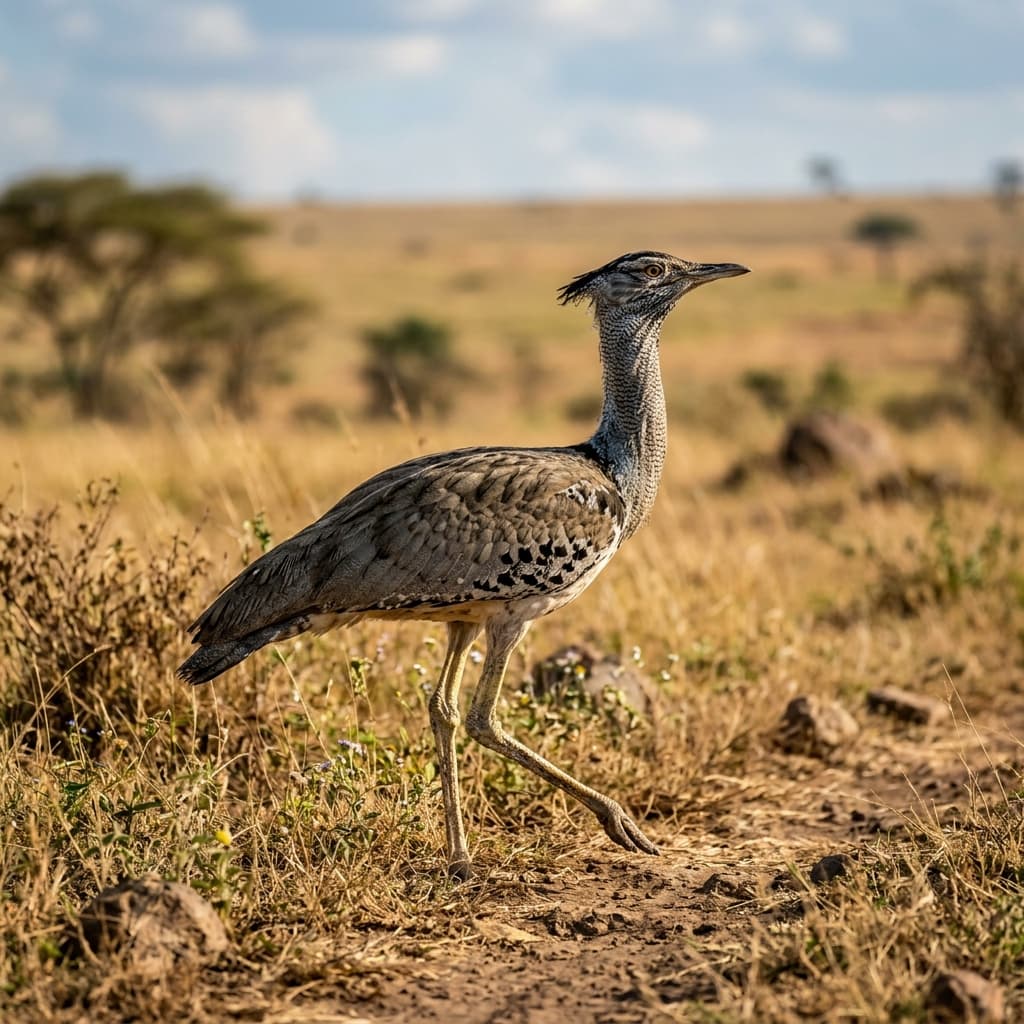
Kori Bustard
Open grassland
 Illustration
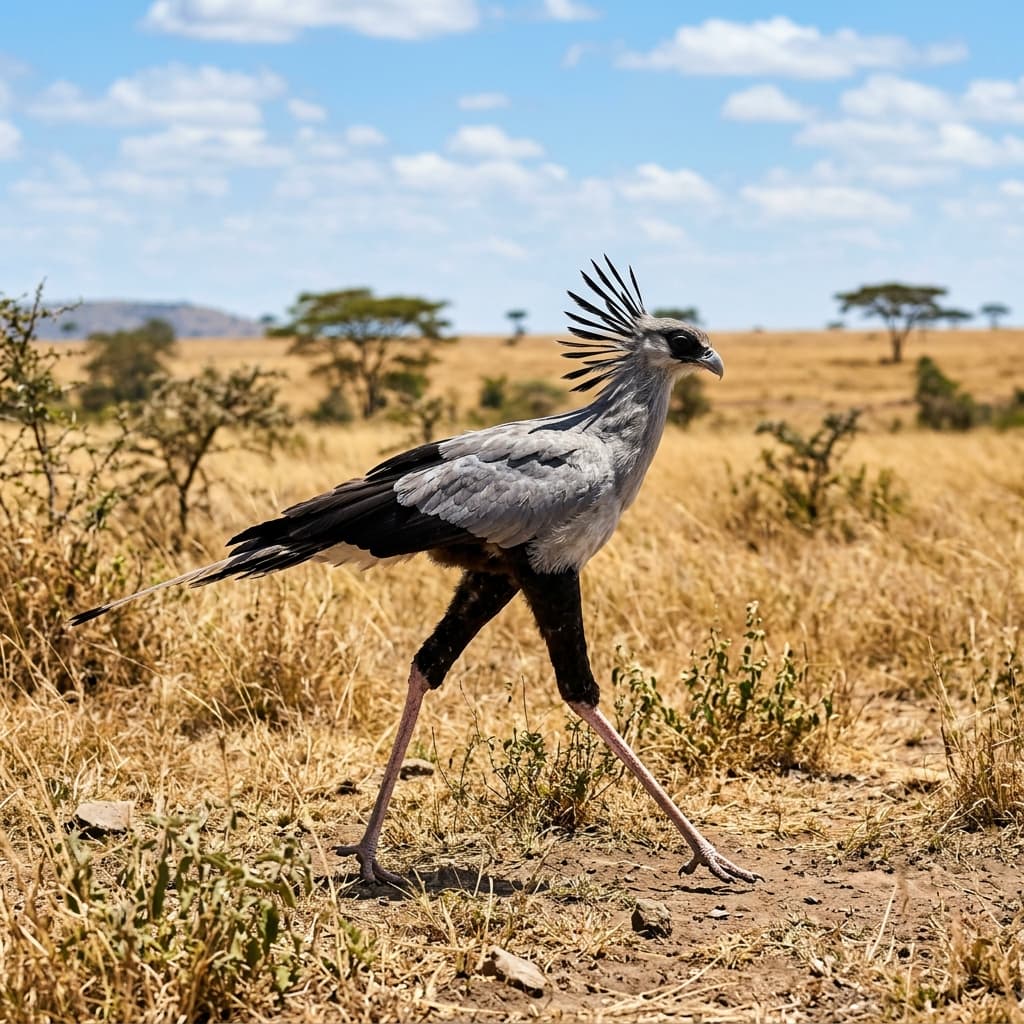
Secretary Bird
Open grassland and scrub
 Illustration
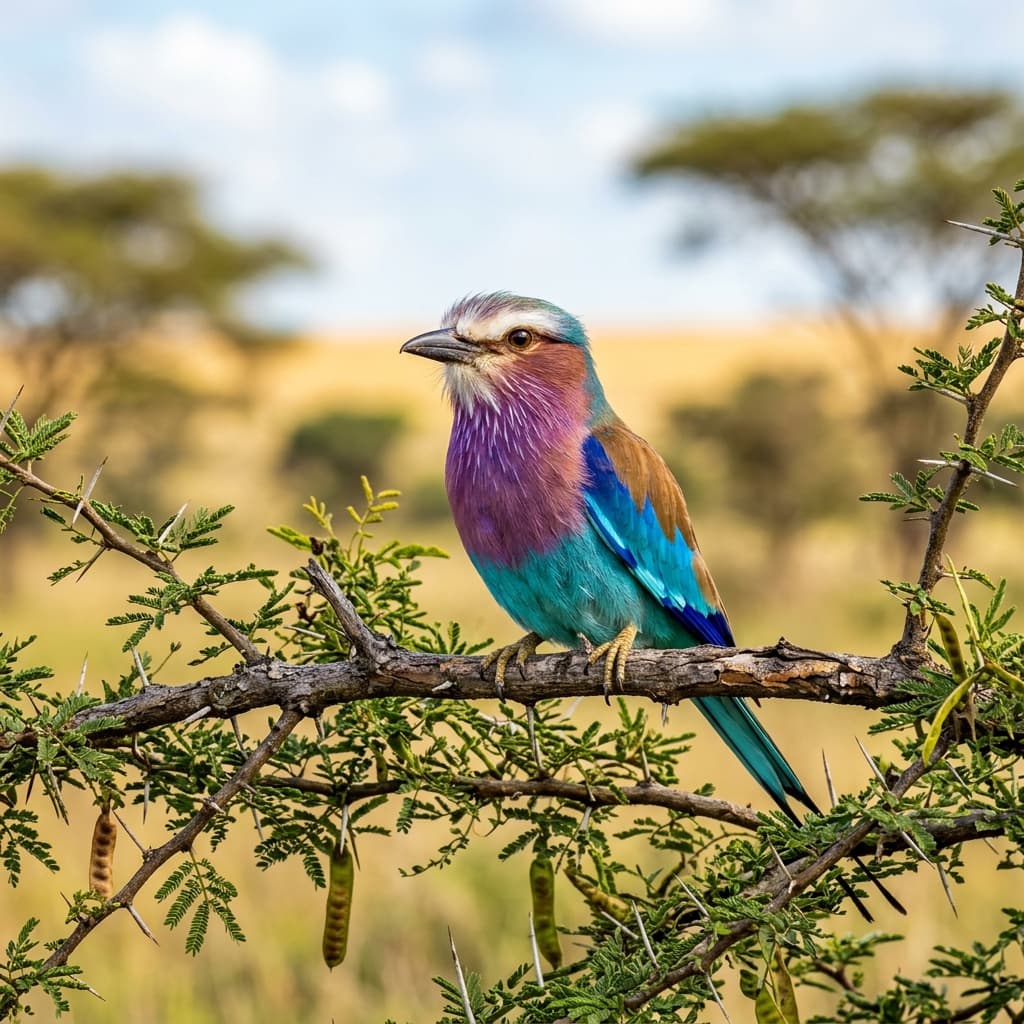
Lilac-Breasted Roller
Open woodland and perch habitat
 Illustration
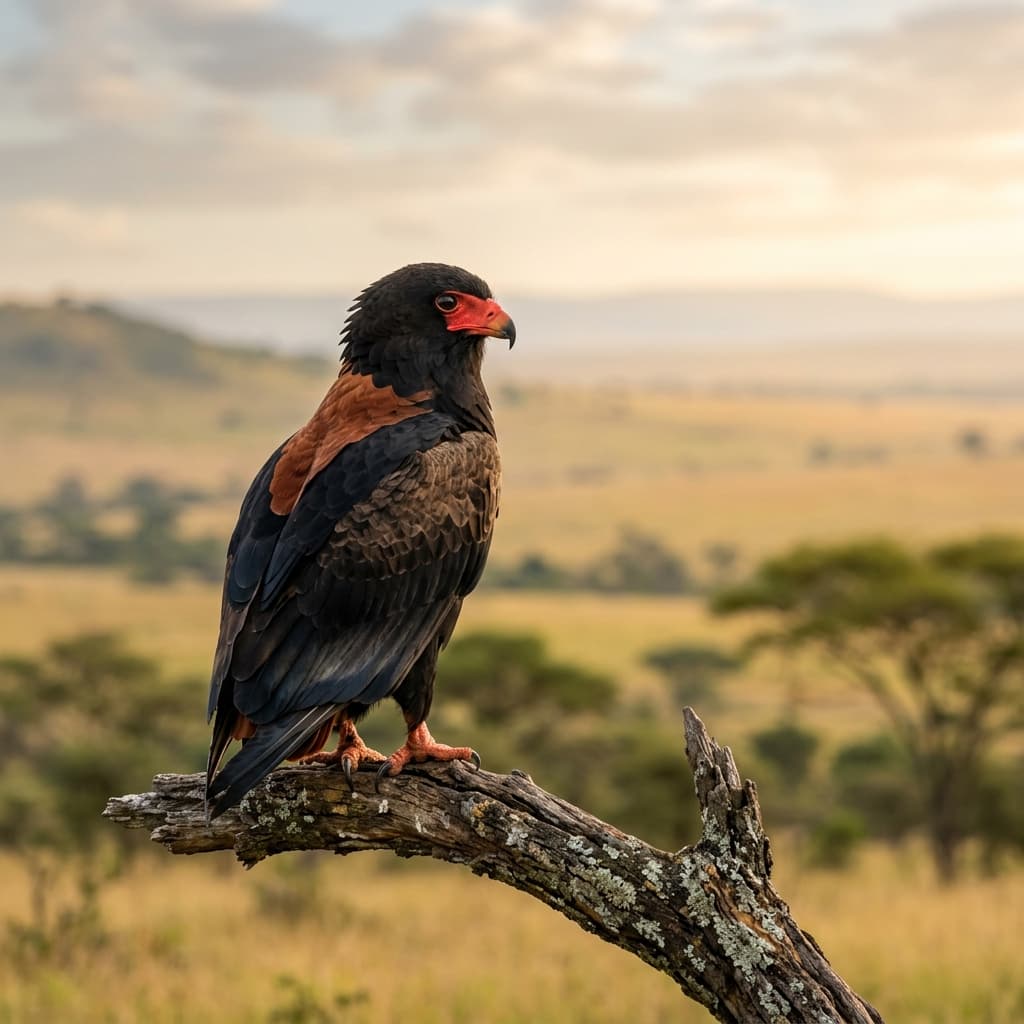
Bateleur
May be seen soaring over open country
 Illustration
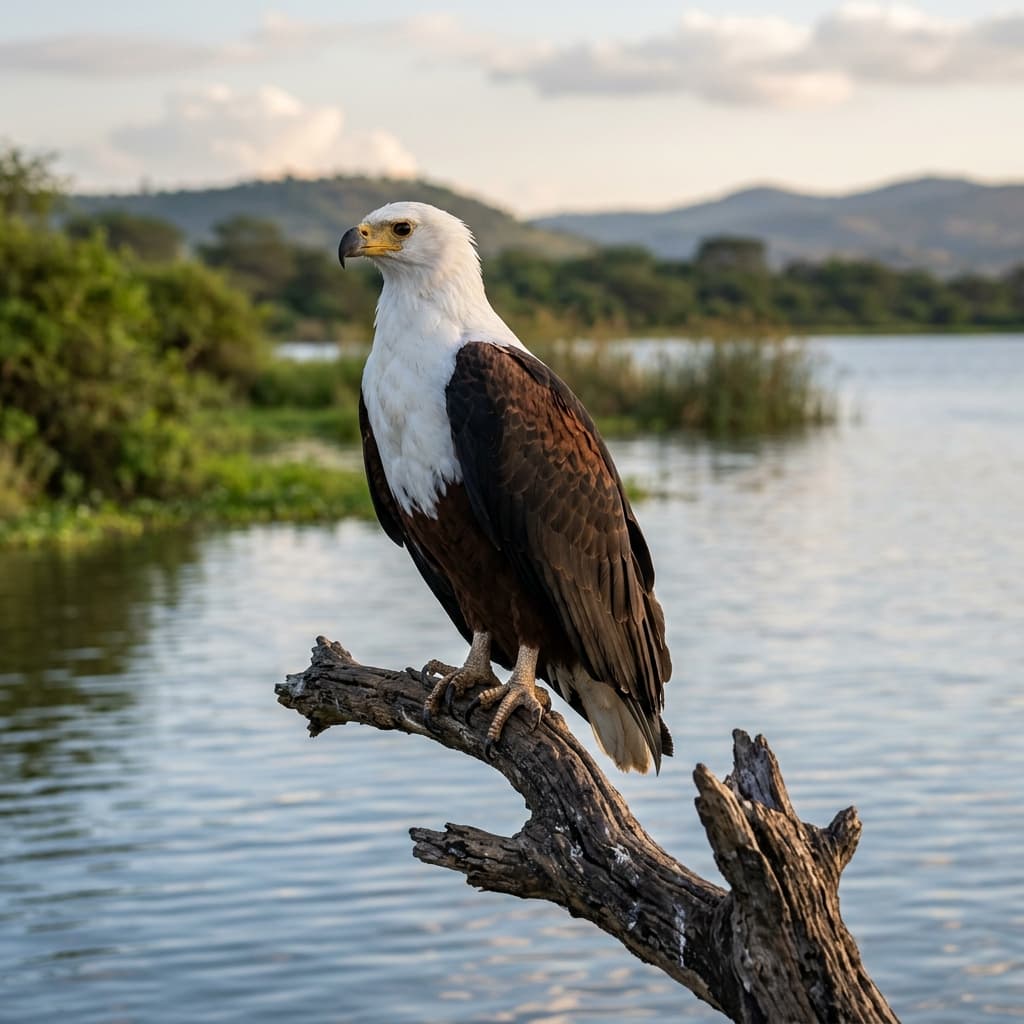
African Fish Eagle
Rivers and permanent water
 Illustration
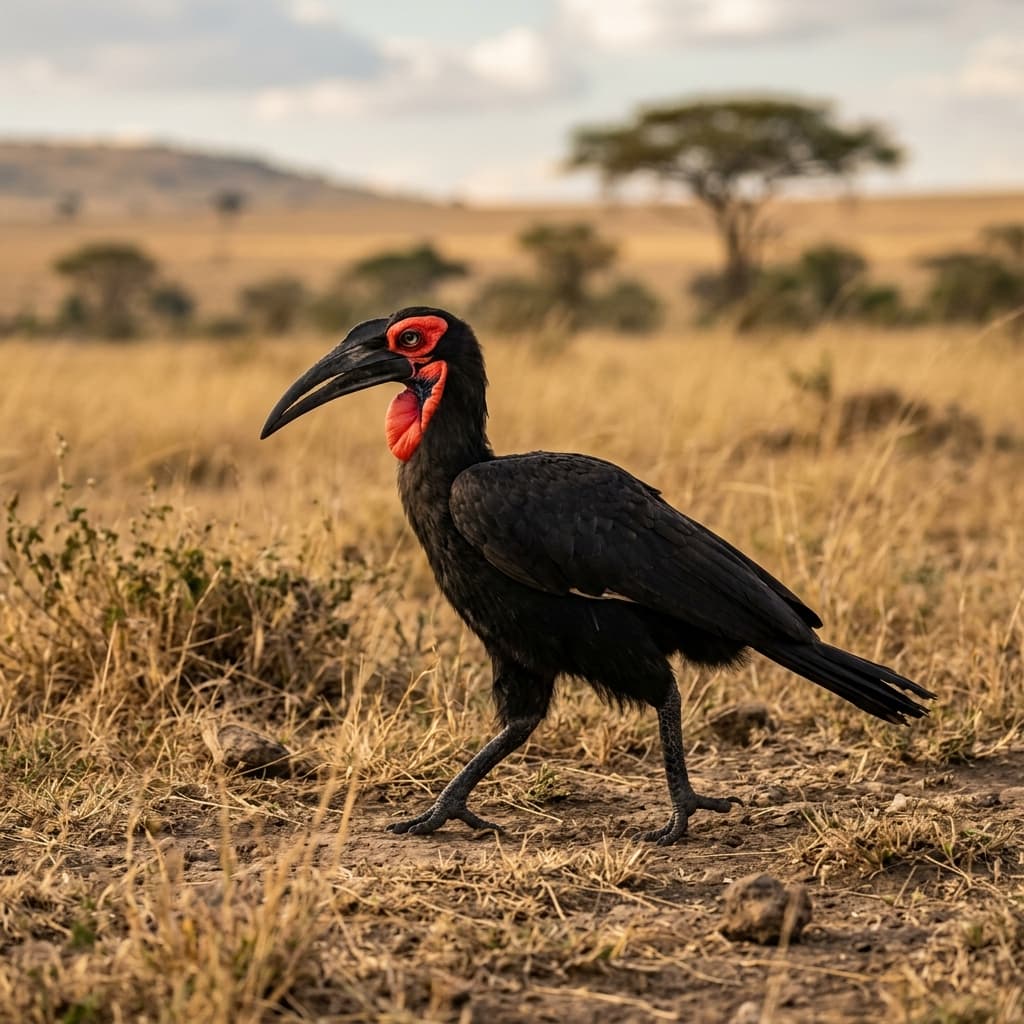
Ground Hornbill
Ground-foraging in grassland and woodland
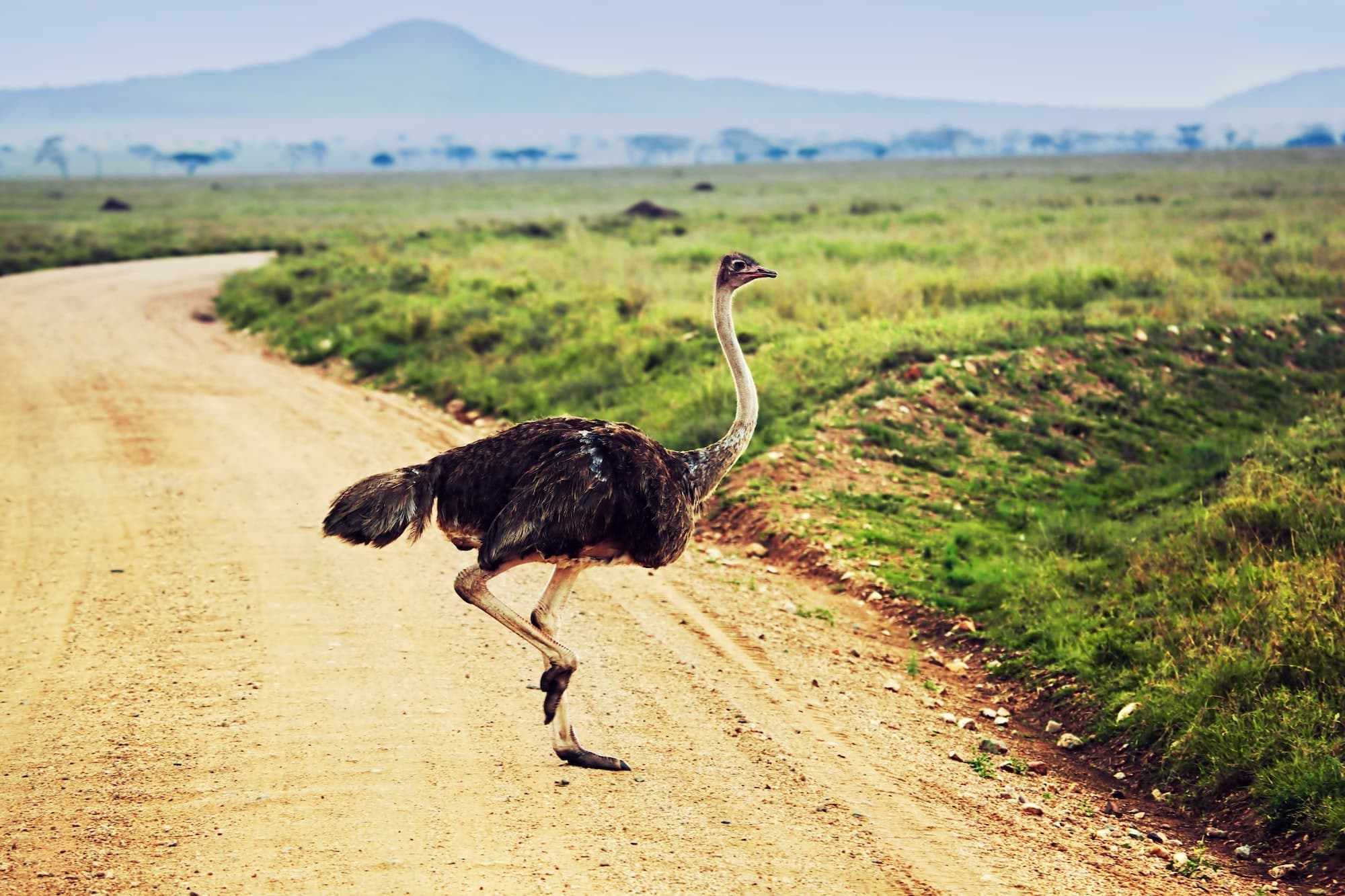
Ostrich
Open plains
 Illustration
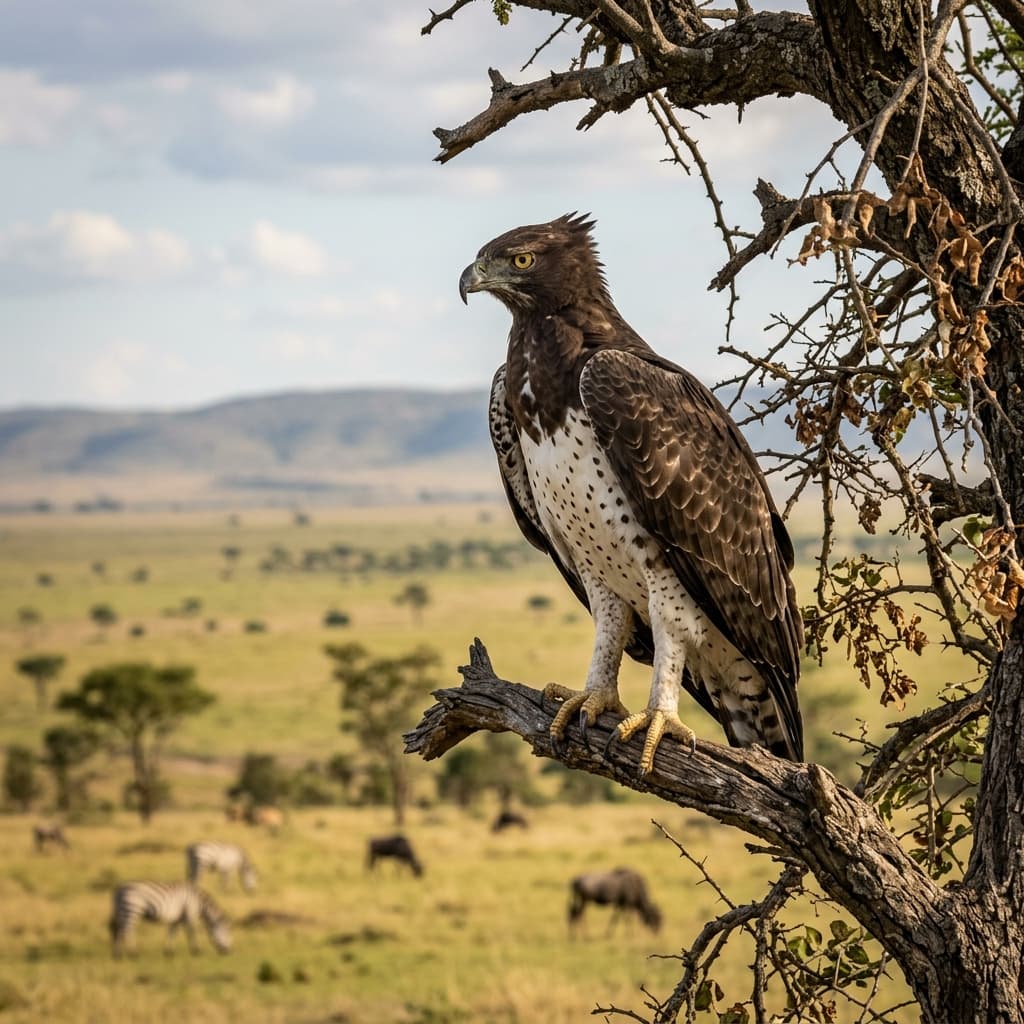
Martial Eagle
Large raptor; sightings are not predictable
 Illustration
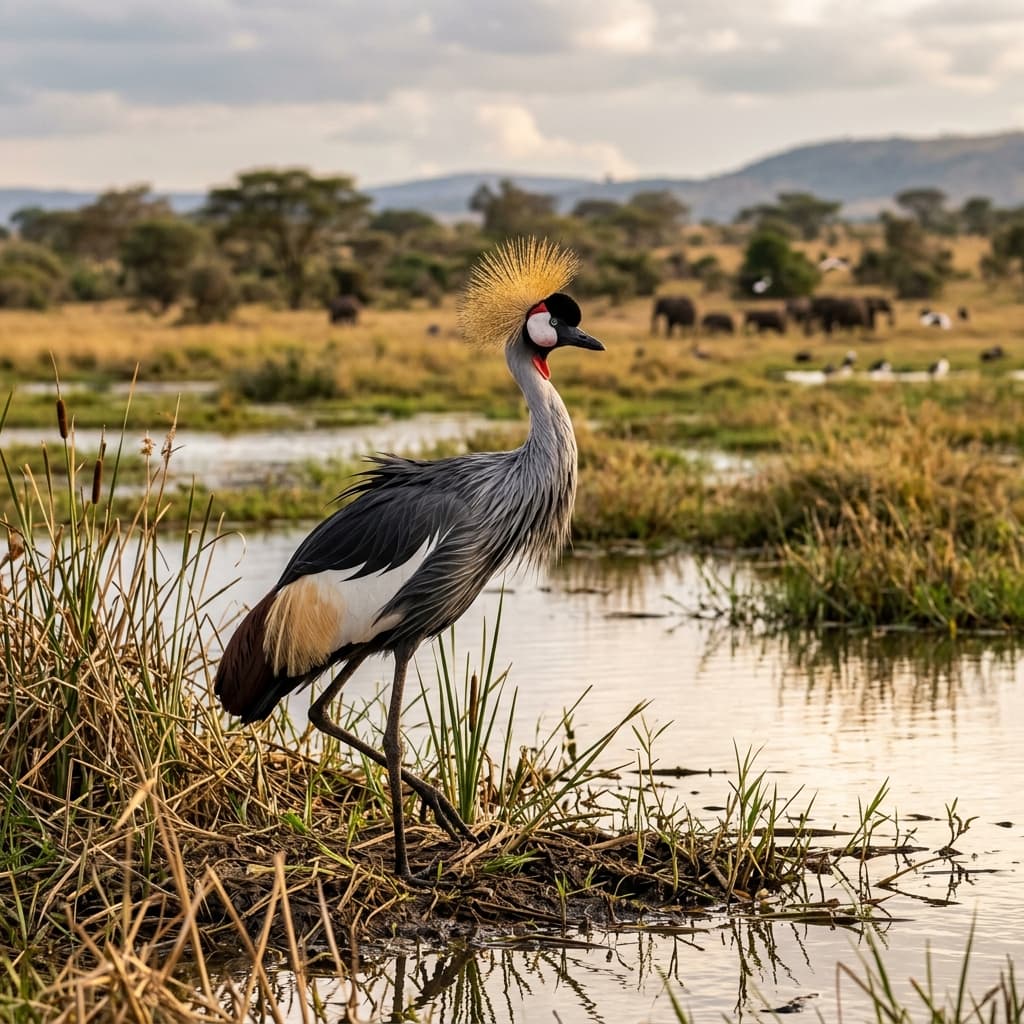
Grey Crowned Crane
Wet grassland and water margins
 Representative image
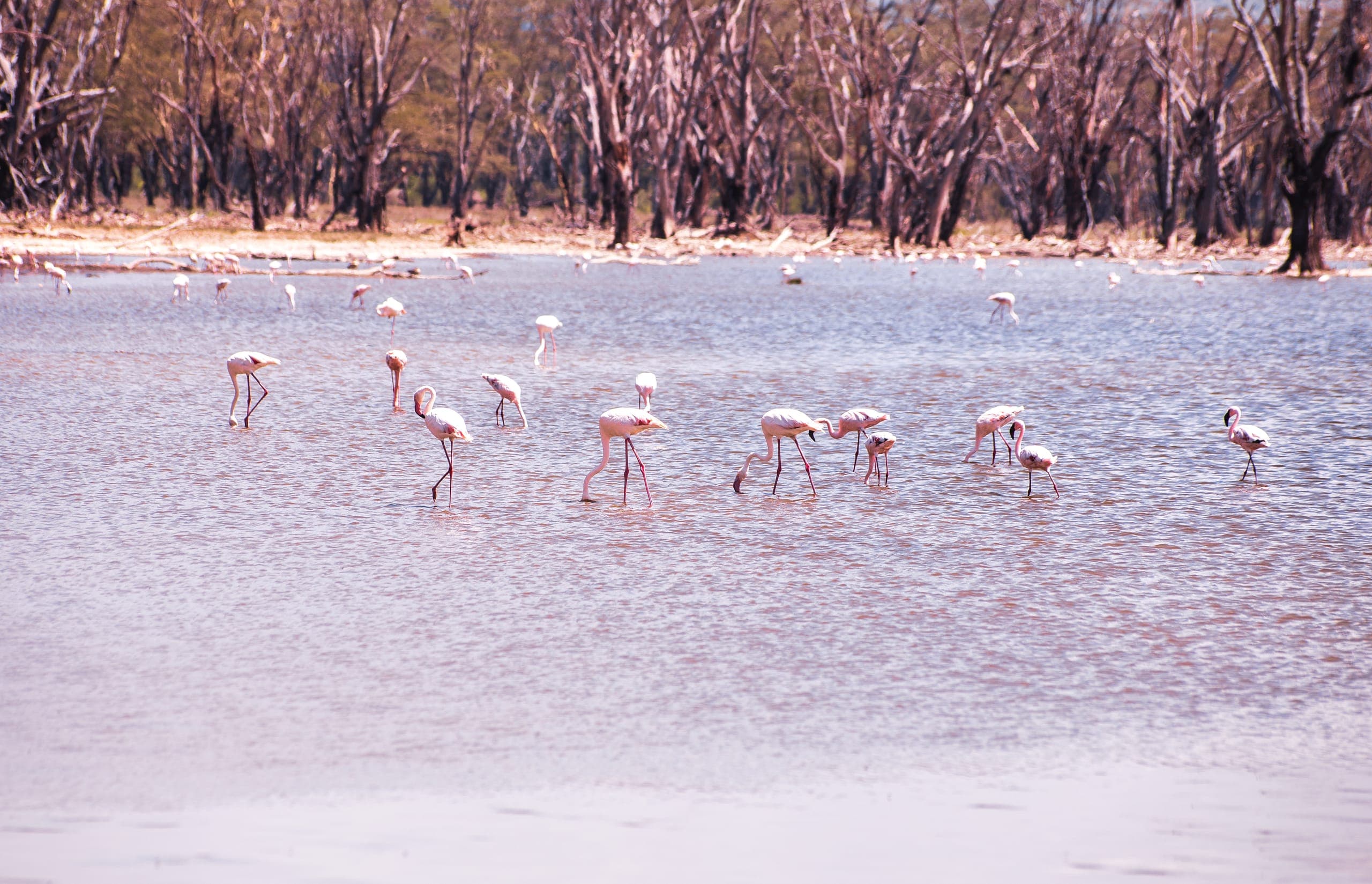
Flamingo
Suitable shallow saline or alkaline water
Big Five
Africa's Iconic Species

African Lion
Panthera leo
Lion occupy territories across several regions. Pride composition and location change, and no particular encounter can be guaranteed.
IllustrationLeopard
Panthera pardus
Leopard use riverine woodland, kopjes, and other areas with cover. They are elusive; guides search using habitat knowledge and recent field reports.
African Elephant
Loxodonta africana
Elephant use woodland and river systems in several regions. Distribution changes with water, forage, and movement beyond park boundaries.
IllustrationBlack Rhino
Diceros bicornis
Black rhino are present in limited areas, but sightings are rare and should not be treated as an itinerary expectation.
IllustrationAfrican Buffalo
Syncerus caffer
Buffalo use grassland, woodland, and water-access areas. Herd size and location change across the ecosystem.
Cheetah
Acinonyx jubatus
Cheetah use open plains where long sight lines can help a guide search. Hunts, cubs, and individual animals remain unpredictable.
Editorial Guide
Predators and their habitats
The Serengeti supports several large and small predator species across plains, rivers, woodland, and kopjes. Their distribution changes with prey, water, weather, and territorial movement.
Lions
Lion occupy territories across the ecosystem. Pride composition, location, and activity change over time, so a guide searches using tracks, recent reports, and knowledge of habitat.

Cheetahs
Cheetah use open plains where long sight lines support their hunting strategy. Grass height, prey movement, and recent weather influence where they may be found. Hunts and cub sightings remain unpredictable.
IllustrationLeopards
Leopard use riverine woodland, kopjes, and other areas with cover. They are elusive, and a longer search does not guarantee a sighting.
IllustrationSpotted Hyenas
Spotted hyena are resident across grassland and woodland. They live in social groups and hunt as well as scavenge, but any specific behaviour is an unscheduled natural event.
IllustrationAfrican Wild Dogs
African wild dog are wide-ranging and seldom encountered in the Serengeti. A sighting should be treated as an unexpected event rather than an itinerary expectation.
IllustrationServal Cats
Serval use grassland and wetland-edge habitat. They are elusive, and sightings cannot be planned for or promised.
Photography
Capturing the Serengeti
Open terrain can provide long sight lines, while light, dust, weather, vegetation, and animal movement change throughout the year.
Seasonal light
- ›Green season: fresh vegetation and changing skies
- ›Dry season: dust, pale grass, and stronger contrast
- ›Cloud cover can soften midday light
- ›Rain and animal movement remain variable
Habitat choices
- ›Open plains: long sight lines
- ›River corridors: layered vegetation and shade
- ›Kopjes: elevated terrain and rock habitat
- ›Woodland: filtered light and more cover
Lens planning
- ›A mid-range zoom covers many ground encounters
- ›A longer lens helps with distant or small subjects
- ›A wide lens supports landscape context
- ›Bring protection from dust and rain
Field conduct
- ›Follow guide and park instructions
- ›Do not pressure an animal for a photograph
- ›Keep sound and movement controlled
- ›Verify current drone and equipment rules with the relevant authority
Plan Your Serengeti Safari
Tell us which habitats and species interest you. We will plan suitable regions and time in the field without promising a particular sighting.
Enquire Now