Cultural and community Journeys
Plan a culturally grounded JourneyCultural experiences deserve the same judgement as any other part of a Journey. The useful question is not how much can be fitted in, but who is hosting, what the visit is for, and whether the traveller has the context to take part thoughtfully.

Context comes before performance
What Zorani includes in itineraries around culture is specific, grounded, and contextually honest. The experiences below have genuine content and hold up to scrutiny.
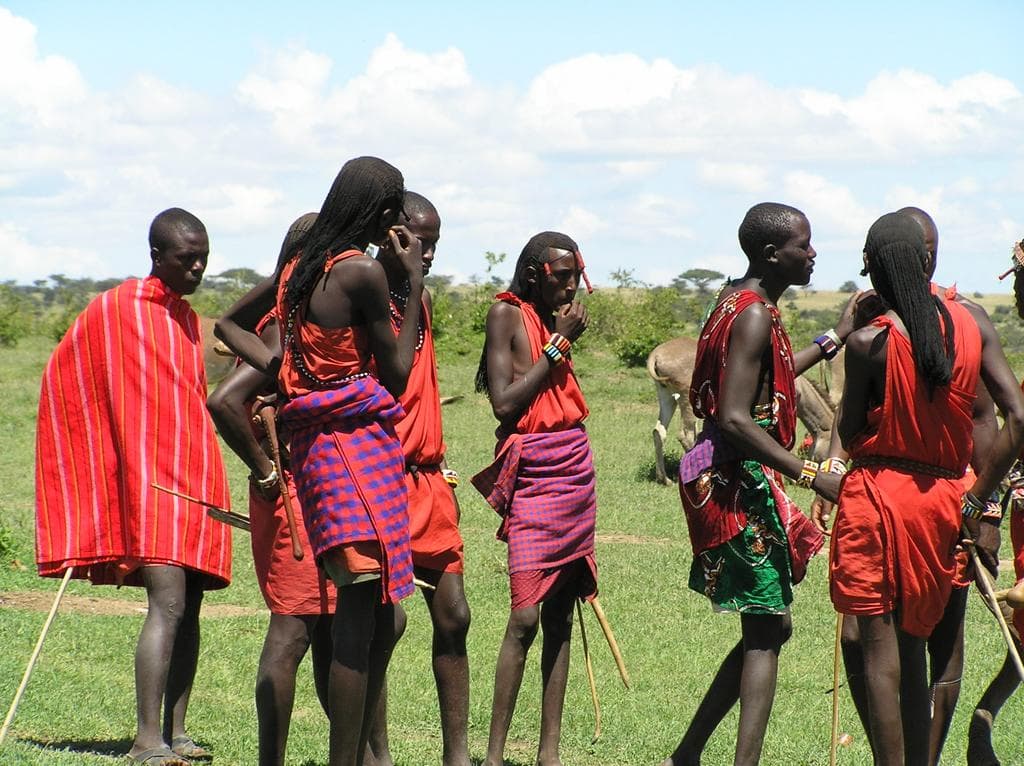
Batwa-led interpretation in Uganda and Rwanda
The Batwa are indigenous forest people whose displacement from protected forests forms an essential part of the history around Bwindi and the Virunga landscape. Any cultural experience should identify the host or programme and explain its current arrangements before it is included in a Journey.
The experience involves learning about traditional forest skills, medicines, and practices in a guided format led by Batwa guides. It is honest about the history, the displacement, the loss of forest access, and the current situation, rather than presenting only a sanitised version of cultural survival.
It is most naturally combined with gorilla trekking because the locations are close. For travellers who want context for the conservation model they are visiting, it can be a thoughtful addition.
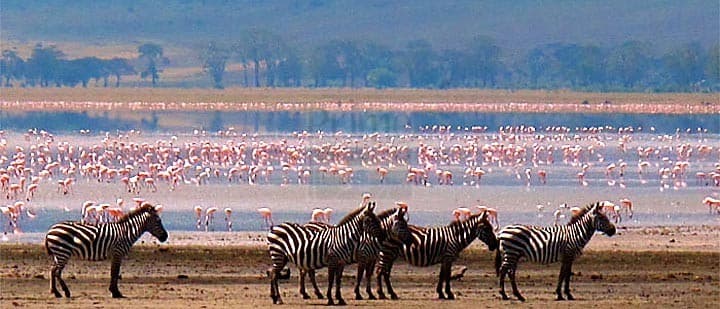
Kigali Genocide Memorial
Rwanda has integrated the memory of the 1994 genocide into its national identity in a serious and sustained way.
Rwanda has integrated the memory of the 1994 genocide into its national identity in a serious and sustained way. The Kigali Genocide Memorial is a well-curated site that documents the history clearly and honestly. It is not comfortable. It is not meant to be.
For travellers spending time in Rwanda, the memorial offers essential historical context for the country beyond its landscapes and wildlife. It should be approached with enough time and attention, not treated as a brief sightseeing stop.
The memorial is free to enter, requires around two to three hours, and is located in Kigali. It is naturally placed on the arrival or departure day of a Rwanda journey.

Stone Town as part of Zanzibar
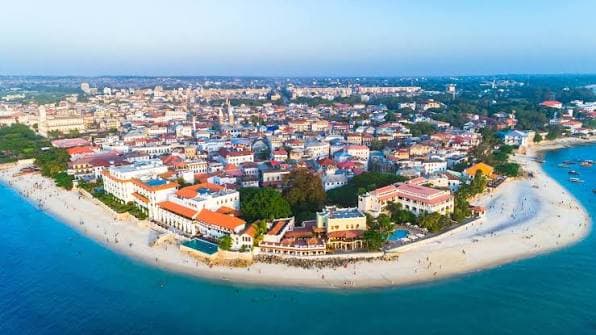
Stone Town is a UNESCO World Heritage Site and the historic core of Zanzibar City. Its urban fabric reflects layers of Swahili, Arab, Indian, and European influence shaped by centuries of Indian Ocean trade. Narrow streets, courtyards, and carved doors reward an unhurried walk with informed local interpretation.
Stone Town is not a preserved open-air museum. People live there, work there, and run businesses there. That density and activity is part of what makes it worth spending time in rather than simply passing through.
A full day, covering the narrow streets, the Old Fort, the former slave market site, Forodhani Gardens in the evening, and the fish market in the morning, is adequate. An overnight in a well-chosen Stone Town hotel adds to the experience and gives access to the evening atmosphere that day visitors miss.
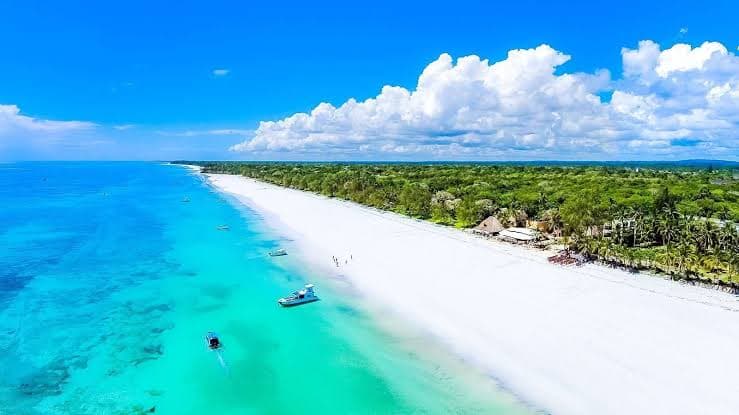
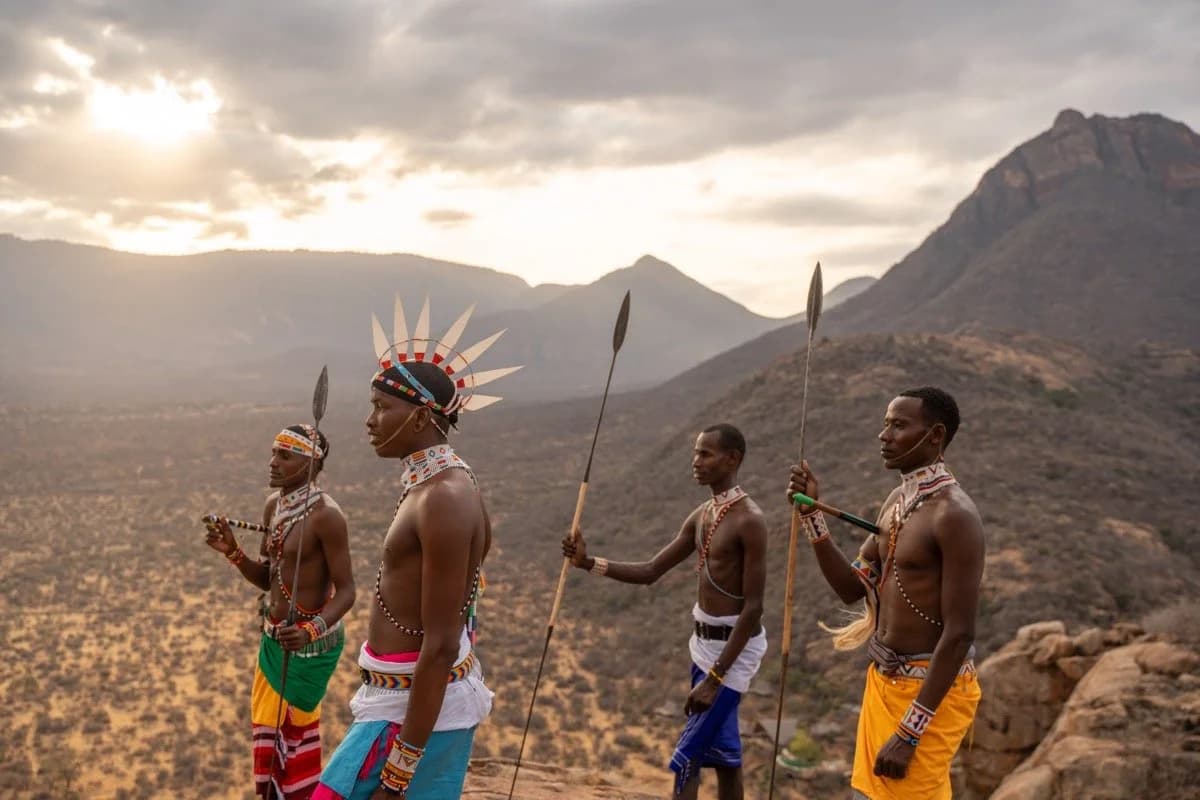
Maasai visits where hosting is clear
Community visits should be offered through a named host or camp arrangement whose purpose and terms can be confirmed for the Journey.
Community visits offered through private conservancies in the Maasai Mara differ from the commercialised versions available to day visitors in the main reserve. In conservancies such as Naboisho, Mara North, and Olare Motorogi, camps work with specific neighbouring villages rather than organising general tourism visits.
The quality and purpose of these experiences vary significantly between camps. A worthwhile proposal should name the host arrangement, explain what the visit involves, and avoid making benefit claims that the host or conservancy has not documented.
Zorani confirms the current host, format, and arrangements before recommending a visit.

TRANSITIONAL FLOWS
Market and Agricultural Experiences
Locally organised market visits and agricultural experiences are best offered in the context of a specific destination rather than as a standalone cultural tick. In Uganda, the areas around Kibale and Fort Portal have productive market towns with a pace and character quite different from Kampala. In Rwanda, the landscape between Kigali and Musanze (near Volcanoes National Park) passes through intensively farmed hill country that tells its own story about how the country uses land.
These are experiences Zorani builds into transitions and travel days where relevant, rather than packaging as formal activities.
Start planning your safari
Tell us what interests you. Our safari specialists will create a tailor-made Journey and take care of every detail.
Start planning a culturally grounded Journey