UGANDA · EAST AFRICA
Queen Elizabeth
Tree-climbing lions, Kazinga Channel boat trips, and crater lakes across the Albertine Rift
UGANDA · EAST AFRICA
Savannah, Channel, and Crater Lakes
Queen Elizabeth National Park spans almost 2,000 square kilometres in western Uganda, straddling the Albertine Rift between Lakes Edward and George. It is Uganda's most visited wildlife park, a distinction earned by the quality and variety of its offer: open savannah, lakeshore, rainforest gorge, and the Kazinga Channel, a natural waterway connecting the two lakes that is one of the best wildlife boat-cruise venues in Africa.
The park is most famous for two things. The Kazinga Channel boat cruise, typically two to three hours on the water alongside hippo, crocodile, and elephants drinking at the shore, is one of the most productive and accessible wildlife experiences in Uganda. The Ishasha sector in the south of the park holds a population of tree-climbing lions, which regularly rest in the branches of large fig trees in open woodland, a behaviour associated with this ecosystem and with Tanzania's Lake Manyara.
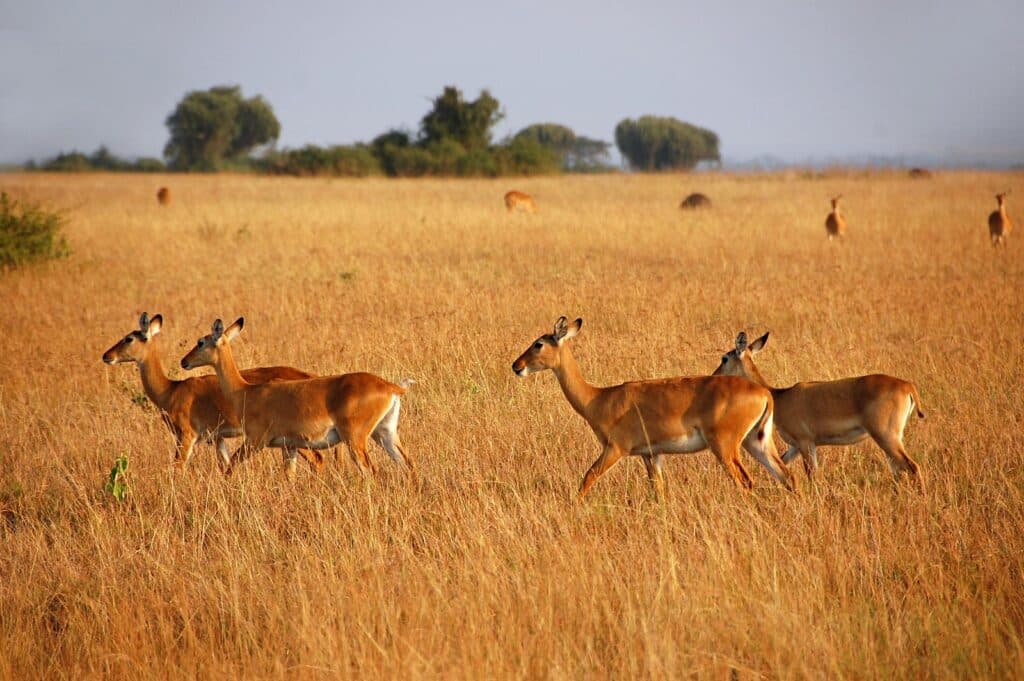
Queen Elizabeth also holds chimpanzee in the Kyambura Gorge, a forest-filled canyon on the park's eastern edge, as well as the Uganda kob, a handsome antelope that is the country's national symbol and appears on the Ugandan coat of arms. The combination of these elements in a single, relatively accessible park makes it a logical centrepiece of a western Uganda journey.
Safari Experiences
The Case For Queen Elizabeth
Why Visit Queen Elizabeth
The Kazinga Channel boat cruise is the most reliable and accessible form of wildlife viewing available in Uganda. The channel is narrow enough, typically 100 to 400 metres wide, that wildlife on the banks is consistently within viewing and photographic distance. Hippo pods are large and regularly counted in the hundreds. Crocodile are abundant. Elephant come to drink along the channel edge in the late afternoon. The channel's bird list, over 600 species recorded in the wider park, makes it one of the premier birding boat trips in the region.
The tree-climbing lions of the Ishasha sector are a specific draw. Unlike the Manyara lions in Tanzania, where tree-climbing occurs intermittently, the Ishasha lions are particularly associated with this behaviour and sightings in the fig trees are relatively regular. The Ishasha sector also has a different, quieter character from the main Mweya area and rewards the additional drive time.
The Kyambura Gorge chimpanzee experience is less reliable than Kibale's organised chimpanzee trekking, but for travelers combining Queen Elizabeth and Bwindi who want a chimp dimension without a separate Kibale visit, it adds a worthwhile primate element.
Safaris Through Queen Elizabeth


Terrain & Ecosystem
Landscape & Environment
Queen Elizabeth's terrain is varied. The Mweya Peninsula, the central management hub and location of the main lodge, projects into the Kazinga Channel between Lakes Edward and George, providing a high-vantage view across the channel and the surrounding savannah. Game drives on the Kasenyi and North Circuit plains cover open grassland where Uganda kob graze in large numbers and predators are regularly encountered.
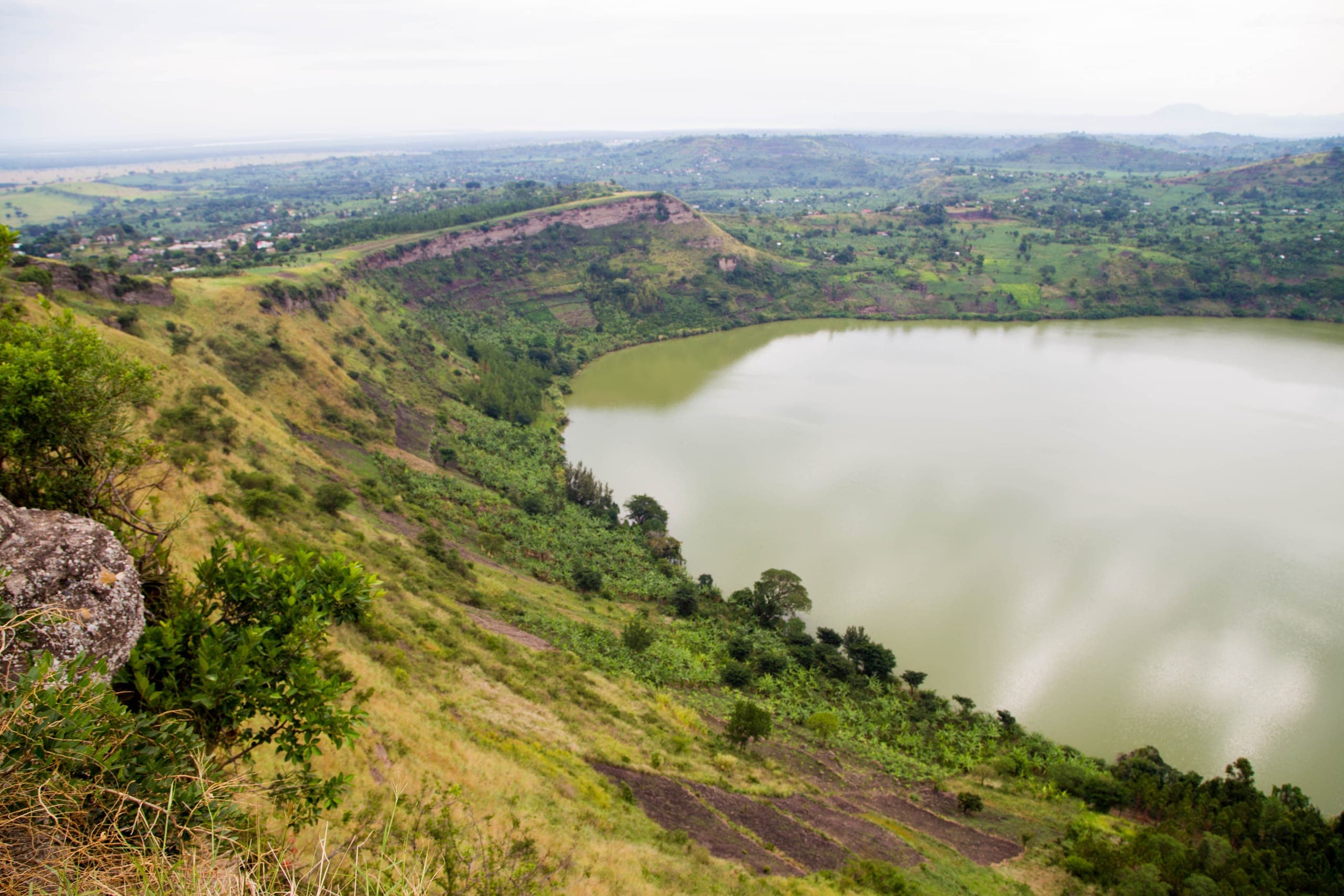
Crater lakes punctuate the landscape in the northern areas of the park. These are volcanic craters filled with deep, alkaline water, ringed by forest, and create a distinctive topography different from the flat savannah of the central zone.
The Kyambura Gorge is a collapsed lava tunnel on the eastern edge of the park that has filled with rainforest, carved by the Kyambura River. It is an isolated forest environment surrounded by open savannah and holds a small population of habituated chimpanzee.
The Ishasha sector in the south, separated from the main Mweya area by the Maramagambo Forest, has a flatter, more open character dominated by figs and grassland. It borders the Democratic Republic of Congo.
Fauna
Wildlife Highlights
Tree-climbing lions. The Ishasha sector is the location. Several lion prides regularly rest in large fig trees, particularly during midday heat, gaining elevation to catch a breeze and escape flies. Guides in the sector have detailed knowledge of which trees are most frequently used and which prides are currently active. Sightings are not guaranteed but the probability during a two-night Ishasha stay is meaningfully higher than in most other parks.
Kazinga Channel hippo. The channel holds one of Uganda's largest hippo concentrations. Pods of 50 to 100 animals are regularly encountered on the morning boat cruise. Bulls with large canine teeth and social interaction between pods are consistent features of the experience.
Uganda kob. One of Africa's most handsome medium-sized antelopes, the kob is abundant on the Kasenyi Plains. Territorial males defend small, stamped circles of grass known as lek territories where females congregate for mating. Watching this system in operation during the early morning is one of the park's quieter but genuine pleasures.
Elephant. Large herds are resident in the park and regularly seen on the Kasenyi Plains and along the Kazinga Channel banks. Afternoon boat cruises often produce elephants at the waterline.
Chimpanzee (Kyambura Gorge). The gorge holds a habituated chimpanzee community, though numbers are smaller than at Kibale and encounters are less predictable. Tracking is led by Uganda Wildlife Authority rangers.
Leopard. Present in the savannah and riverine zones but sightings are less frequent than in some eastern Africa parks. Early morning and evening game drives in the Kasenyi area are most productive.
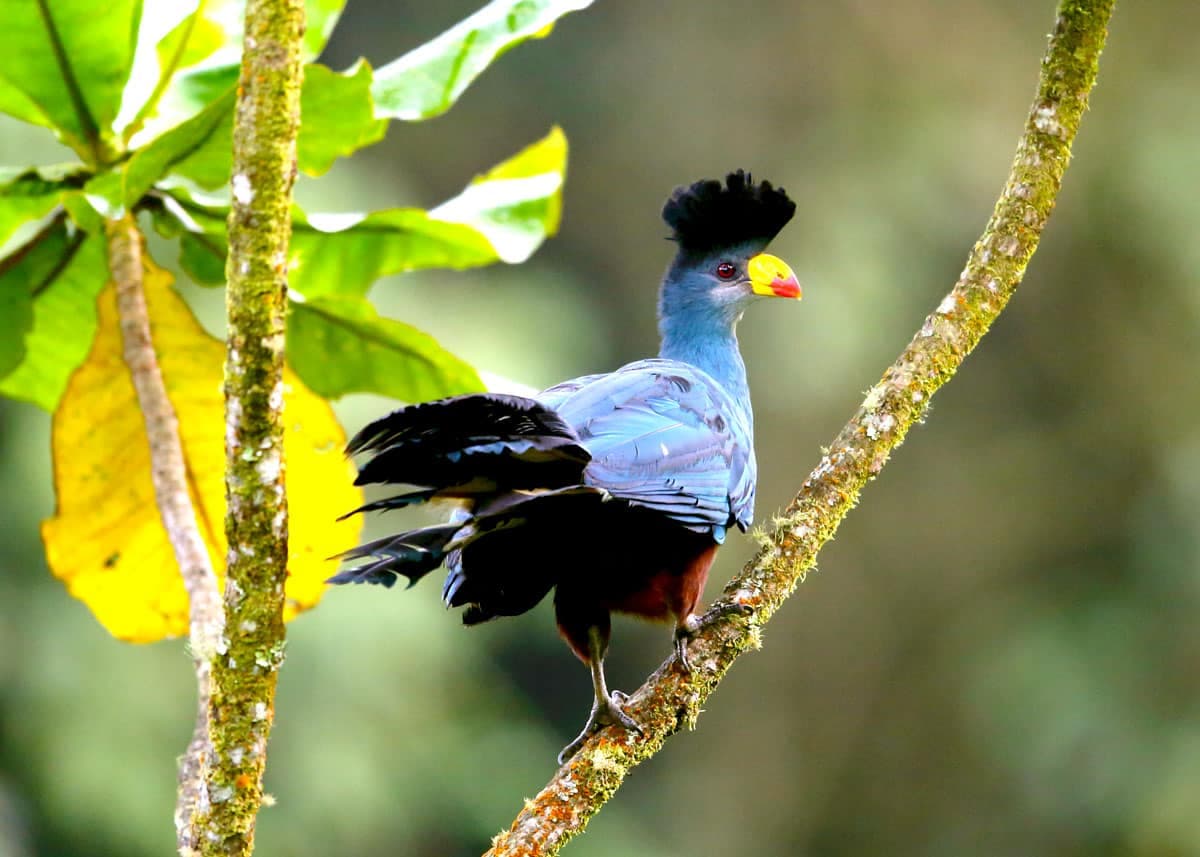
Birdlife. Over 600 species recorded in the park, one of Africa's highest concentrations for a single protected area. The Kazinga Channel is particularly productive, with African skimmer, pied and giant kingfisher, and goliath heron consistently seen. The Maramagambo Forest holds several forest specialties.
On the Ground
Safari Experiences
Kazinga Channel boat cruise. Morning and afternoon departures from the Mweya jetty. Two to three hours on the water alongside hippo, crocodile, elephant, and a strong bird list. This is the signature activity and the most reliable form of wildlife encounter in the park.
Game drives. Morning and evening drives on the Kasenyi Plains and the North Circuit cover Uganda kob, lion, elephant, and open savannah wildlife. Ishasha sector drives are specifically targeted at tree-climbing lion.
Chimpanzee tracking, Kyambura Gorge. Guided tracking in the gorge forest. Encounters occur but are not as reliably structured as at Kibale. Best treated as a complementary activity rather than a primary draw.
Guided walks. Available in the Mweya area and around the crater lake circuit. Walking in the savannah sections requires an armed ranger.
Lion tracking. Specialist lion tracking programmes are run by the Lion Research Project in the Ishasha sector. These provide a deeper understanding of pride dynamics and are available to guests at certain camps.
Birding. Dedicated half-day and full-day birding programmes are available through specialist guides. The Kyambura area and the channel produce the most concentrated list.
Regions of the Park
Mweya sector (central). The main visitor hub. The Kazinga Channel, Kasenyi Plains, and North Circuit drives all radiate from here. The Mweya Peninsula holds the main accommodation options and the boat jetty.
Ishasha sector (southern). A separate zone, approximately 2.5 hours' drive south of Mweya. Tree-climbing lions are the draw. The sector is quieter, less visited, and has a very different character from the northern areas. Accommodation here is independent of the Mweya sector options.
Kyambura Gorge (eastern). On the park's eastern boundary, reached from the Kyambura area. Chimpanzee tracking and the distinctive forest-in-savannah landscape are its defining features.
Maramagambo Forest. A large forest block in the park's southeast, bordering the Ishasha sector. It holds forest species including bat roosts and forest-dependent wildlife. A separate walking experience from the open savannah.
Planning Your Visit
Best Time to Visit
June to August. The main dry season. Grass is short on the savannah, wildlife is more concentrated around water, and road conditions are at their best. This is peak season and the most reliable period for game drives and boat cruises.
December to February. The shorter dry season. Also excellent conditions, fewer visitors than June to August, and good for combining with gorilla trekking at Bwindi.
March to May (long rains). Roads in the park, particularly in the Ishasha sector, can become difficult. Boat cruises continue but some game drive areas are temporarily inaccessible. Not the best period for a first visit.
Getting There
By air. Charter flights from Entebbe or Kampala to Kasese airstrip take approximately 1 hour. Kasese is followed by a 1 to 1.5 hour road transfer to Mweya, or approximately 3 hours to the Ishasha sector.
By road. The drive from Kampala takes 5 to 6 hours to Mweya. The road via Fort Portal and Kasese is the standard route. Ishasha is reached by continuing south from Mweya, adding approximately 2.5 hours on road.
Within Uganda. Queen Elizabeth connects well with Kibale National Park (approximately 1.5 hours north), Bwindi Impenetrable National Park (approximately 3 hours south to the Buhoma sector), and Lake Mburo National Park to the east.
How Many Nights
Two nights minimum (Mweya area only). Covers the Kazinga Channel boat cruise and game drives on the Kasenyi Plains. The minimum for a useful visit.
Three nights. Allows time for the Kazinga Channel boat cruise, multiple game drives, a Kyambura Gorge chimp track, and a crater lake walk.
Add one to two nights for Ishasha. If tree-climbing lions are a priority, an Ishasha allocation of one to two nights is needed. The sector is remote from Mweya and requires separate accommodation booking.
Where to Stay
Mweya sector
Mweya Safari Lodge occupies a commanding position on the Mweya Peninsula with views across the channel and is the main established option in the park. Kyambura Gorge Lodge (andBeyond) sits on the gorge edge east of Mweya and combines good accommodation with direct gorge access.
Ishasha sector
Ishasha Wilderness Camp (andBeyond) is the most recognised option in the south, positioned in the fig woodland near the tree-climbing lion territory.
Midrange options are available in and around the Mweya area, including several lodges on the crater lake circuit north of the park boundary. These offer reliable access to the park at lower cost.
Combining With Other Destinations
Bwindi Impenetrable National Park. The most natural pairing for a Uganda journey. Drive south from Queen Elizabeth to Bwindi's Buhoma or Rushaga sector, or fly between the parks via Entebbe. The combination of gorilla trekking and a traditional wildlife safari is the backbone of most Uganda itineraries.
Kibale National Park. One to one and a half hours north of Queen Elizabeth, Kibale adds chimpanzee trekking to the western Uganda circuit. Many itineraries combine Kibale, Queen Elizabeth, and Bwindi as a three-park journey.
Lake Mburo National Park. Located between Kampala and Queen Elizabeth, Lake Mburo works as an opening or closing park for a western Uganda circuit, adding walking safaris and a different wildlife character.
Photography
The Kazinga Channel boat cruise provides among the best photography conditions in Uganda. Early morning light on the water, hippo emerging with backlit spray, elephant reflected in the channel surface. Use a 100 to 400mm range and keep the ISO flexible as conditions change quickly.
Ishasha tree-climbing lion photography benefits from a long lens and the patience to wait for the right light. The best shots come in the morning before the lions settle into deep shade. Positioning the vehicle relative to the sun is critical.
Queen Elizabeth Questions
Where are the tree-climbing lions in Queen Elizabeth?
The tree-climbing lions are found in the Ishasha sector in the far south of the park, approximately 2 hours drive from the main Mweya Peninsula area. The lions here have developed the unusual habit of resting in fig trees: a behaviour observed in very few lion populations globally (the other well-known example is in Tanzania's Lake Manyara). Game drives in the Ishasha sector, particularly around the fig trees along the Ntungwe River, produce sightings on the majority of visits. Ishasha is typically visited either as a standalone 1 to 2 night stay or as a transit point on the route between Queen Elizabeth and Bwindi.
What is the Kazinga Channel boat trip?
The Kazinga Channel is a natural waterway connecting Lake George and Lake Edward that runs through the heart of Queen Elizabeth National Park. The 2-hour boat cruise along the channel is one of the best wildlife boat trips in Africa: the banks hold one of the highest hippo densities anywhere, along with Nile crocodile, African buffalo coming to drink, and remarkable concentrations of waterbirds including African skimmer, pied kingfisher, and goliath heron. The cruise departs from Mweya jetty twice daily and is included in most lodge stays.
Is chimpanzee trekking possible at Queen Elizabeth?
Chimpanzee trekking is available in Kyambura Gorge on the park’s eastern side. The chimpanzees range through the gorge and may not be encountered. As checked against the Uganda Wildlife Authority tariff on 29 July 2026, the foreign non-resident permit costs USD 100; the published rate rises to USD 200 from 1 January 2027. Travellers whose main priority is chimpanzee tracking should compare Kyambura with Kibale before choosing the route.
What are the crater lakes of Queen Elizabeth?
The Albertine Rift landscape around Queen Elizabeth contains over 50 volcanic explosion craters, many of which contain lakes. The crater lake area near Mweya (particularly accessible by the crater drive) offers dramatic elevated views across both savannah and lake systems, with the Rwenzori Mountains visible on clear days to the north. The craters themselves vary in character: some are salt lakes with flamingo, others freshwater with hippos. The crater drive is one of Queen Elizabeth's distinctive scenic offerings and pairs well with game drives.
How do I combine Queen Elizabeth with Bwindi?
Queen Elizabeth and Bwindi are the two most commonly combined parks in Uganda. The standard routing goes Entebbe → Queen Elizabeth (Mweya sector, 3 nights for the channel, game drives, and Kyambura) → Ishasha sector (1 to 2 nights for tree-climbing lions) → Bwindi (2 nights for gorilla trekking) → Entebbe or Kigali. The road between Ishasha and Bwindi's Buhoma sector is approximately 2 hours. This full circuit typically runs 7 to 10 nights and is the most popular Uganda wildlife itinerary.
What is the best time to visit Queen Elizabeth?
Year-round, but June to August and December to February offer drier conditions and better wildlife concentration. The Kazinga Channel boat trip is excellent in any month. The wet seasons bring lush green landscapes and very good birding, with migrant species supplementing the resident list. The park's 600-plus bird species include many Albertine Rift endemics: for birders, Queen Elizabeth is one of the richest parks in East Africa regardless of season.
How many nights should I spend at Queen Elizabeth?
Three to four nights covers the main activities: Kazinga Channel cruise, game drives on the Kasenyi and Mweya plains, Kyambura Gorge, and the crater drive. A separate 1 to 2 night stay in Ishasha adds the tree-climbing lions. If combining both areas on one visit, allocate 4 to 5 nights total across Queen Elizabeth. Visitors spending only 2 nights should prioritise Mweya, the channel cruise, and one game drive, then plan a return for the Ishasha sector on a future journey.
Where should I stay: Mweya or Ishasha?
Mweya Peninsula is the hub of Queen Elizabeth, offering the best access to the Kazinga Channel, the Kasenyi game drive circuit, Kyambura Gorge, and crater lakes. The accommodation range at Mweya is widest, from the Mweya Safari Lodge to more affordable options. Ishasha in the far south is quieter, has fewer accommodation choices, and is almost solely focused on the tree-climbing lion experience. For a 3 to 4 night Queen Elizabeth visit, beginning at Mweya and ending at Ishasha (or vice versa) on the way to or from Bwindi is the most efficient structure.
Is there a chance of seeing the shoebill stork at Queen Elizabeth?
The shoebill is present in Queen Elizabeth, particularly in the Maramagambo Forest sector and around the Kazinga Channel margins. Sightings are possible but not reliably arranged without a specific early-morning papyrus swamp search by boat. Unlike Murchison Falls where dedicated shoebill trips to the Nile delta are well established, Queen Elizabeth sightings are more opportunistic. Let your guide know if shoebill is a priority and they will build appropriate time into the boat trip or add a separate search.
Zorani Expeditions
Plan Your Queen Elizabeth Safari
Every Journey we design is built around your goals, not a standard route.
Speak to a Specialist