UGANDA · EAST AFRICA
Lake Mburo
Walking safaris, boat trips, and zebra within practical road reach of Kampala
UGANDA · EAST AFRICA
Uganda's Compact Savannah Park
Lake Mburo National Park is the smallest savannah park in Uganda at 370 square kilometres, but it holds a combination of species and activities that larger parks in the country cannot offer. It is the only park in Uganda where zebra are found, and the only one where horse safaris are a practical activity in open terrain. The lake system at its centre adds a quiet, unhurried dimension that complements the land-based game viewing.
The park sits in western Uganda, roughly three hours from Kampala, making it a natural first or last stop on a longer Uganda circuit. Many travelers drive through on the way to Bwindi Impenetrable Forest or Queen Elizabeth National Park, spending a night or two to break the journey and cover some wildlife before reaching the primate-focused parks to the west. Others visit it as a standalone short trip from the capital. Either approach works. The park rarely gets enough credit for what it actually delivers.
Safari Experiences
The Case For Lake Mburo
Why Visit Lake Mburo
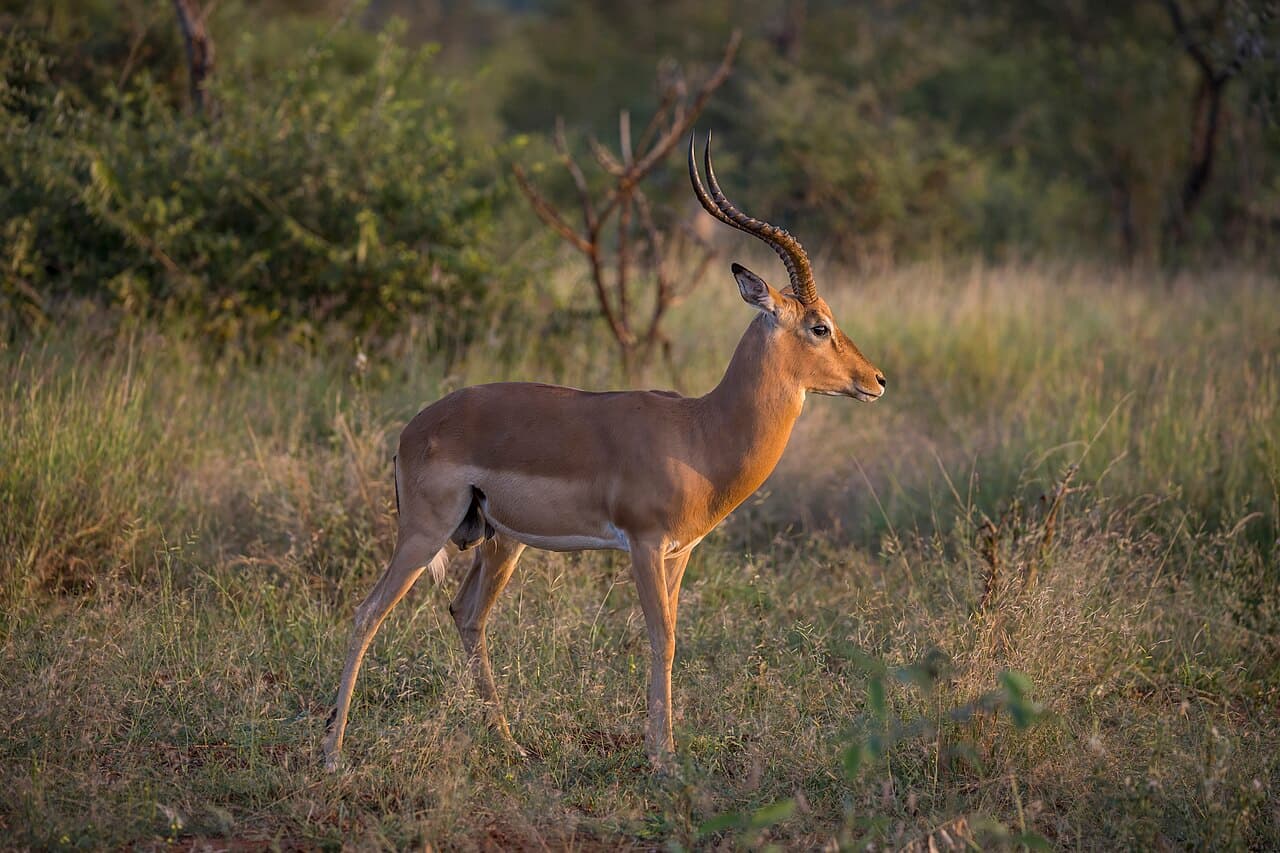
Zebra do not occur in any other Ugandan national park, which gives Lake Mburo an obvious draw for travelers building a broader Uganda circuit. The park supports significant populations of impala, a species also absent from most other Ugandan parks. These two species alone are reasons to include a night here on the way west.
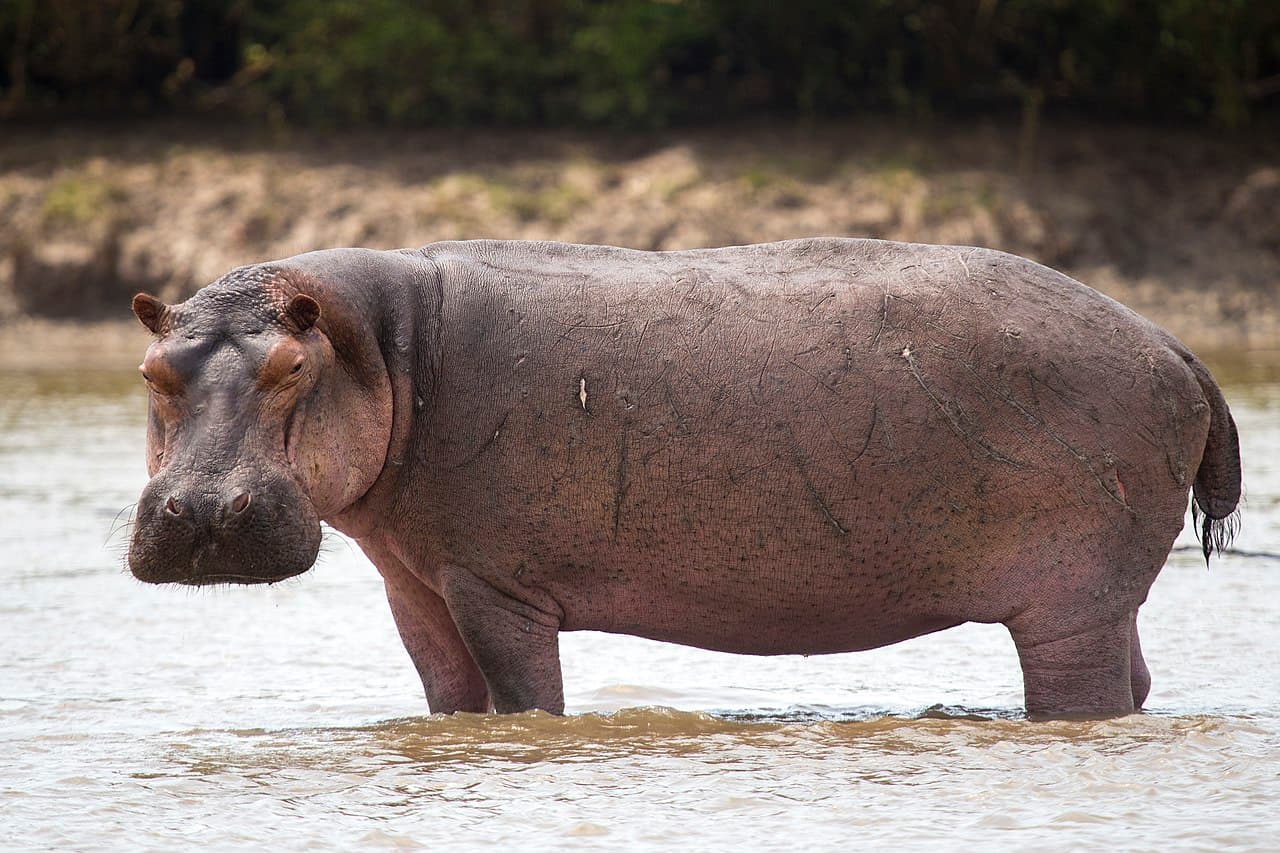
The activity range is broader than the park's size might suggest. Horse safaris allow access to terrain and a perspective that vehicle or walking approaches cannot replicate. Boat trips on Lake Mburo bring you close to hippo, monitor lizards, and waterbirds along the shoreline. Night drives offer different species, including leopard and smaller nocturnal predators. For a one- or two-night stop, the variety is genuinely satisfying.
The park is also practical. It is the easiest major wildlife destination to reach from Kampala, and the road access is good throughout the year. For travelers arriving into Uganda who want wildlife from the first evening, it provides an immediate and uncomplicated option.
Safaris Through Lake Mburo

Terrain & Ecosystem
Landscape & Environment
Lake Mburo National Park encompasses five lakes connected by a series of swamps and seasonally flooded grassland. Lake Mburo itself is the largest and the one visible from the main accommodation area at Rwonyo. The park boundary extends into rolling acacia woodland, open savannah, and rocky hillsides.
The dominant vegetation is mixed acacia savannah with flat-topped umbrella acacias providing scattered shade across open grassland. The transition zones between woodland, grassland, and lakeshore wetland create good edge habitat that supports high species diversity. Papyrus swamps around the lake margins hold waterbirds and otter.
The terrain is gentler than the dramatic rift valley landscapes to the west. This makes it ideal for horse riding and walking. The hills around the lake give viewpoints across the water that are particularly good in the late afternoon.
Fauna
Wildlife Highlights
Zebra are the flagship species and reliably encountered on most game drives. Herds are often large and mix freely with impala and topi in open grassland. The presence of zebra creates a visual quality distinct from other Ugandan parks.
Impala are extremely common and often ignored, but the large herds at Lake Mburo are genuinely impressive, particularly during the morning when territorial males are active.
Buffalo occur in significant numbers throughout the park. Eland, the largest of Africa's antelopes, is regularly sighted in more open areas. Topi, oribi, and Uganda kob are also present.
Hippo occupy Lake Mburo and the associated swamp channels. Numbers are high and boat safari sightings are reliable. Nile crocodile are present along the lakeshore.
Leopard is the only large predator present in meaningful numbers. The species is well established and sightings, while not guaranteed, are more consistent here than in many larger and denser parks. Spotted hyena are common and sometimes active during the day. Lion are absent from Lake Mburo.
Birdlife is extensive for a small park, with over 350 species recorded. The papyrus swamp holds papyrus yellow warbler and white-winged warbler. African fish eagle, malachite kingfisher, and long-toed lapwing are common along the lakeshore.
On the Ground
Safari Experiences
Game drives are the standard approach and cover the open woodland and grassland areas to the north and west of Lake Mburo. Early morning drives typically produce the most activity, with herds of zebra, impala, and buffalo visible in good light.
Boat safaris on Lake Mburo last approximately two hours and run from the Rwonyo boat launch. Hippo pods are encountered at close range. The shoreline reveals monitor lizards, African fin foot, and various herons and kingfishers. Sunset boat trips are particularly popular.
Horse safaris are a genuine feature of Lake Mburo and not a novelty add-on. Organised by local operators based near the park, rides take you through open acacia woodland and grassland at a pace that allows very close approaches to wildlife. Zebra and impala, in particular, tolerate horses well. Riders of any experience level can participate.
Walking safaris with armed rangers are available and cover the woodland and shoreline areas. The park is suitable for walking due to the absence of lion and the relatively open terrain.
Night drives are operated from Rwonyo and offer the possibility of leopard, genet, civet, porcupine, and various nocturnal birds. They are available to guests of lodges inside the park.
Fishing is permitted on Lake Mburo with the appropriate licence. Tilapia and catfish are the primary species.
Regions of the Park
Rwonyo Area: The main visitor zone, home to most accommodation and the boat launch. The lakeshore around Rwonyo is excellent for birding and easy walks. Most game drives originate from here.
Northern Sector: Open grassland and acacia woodland where zebra and buffalo concentrate. Most active during morning and late afternoon drives.
Southern Sector: More hilly terrain with rocky outcrops and dense bush. Leopard activity is reportedly higher in this zone. Less visited and wilder in feel than the lakeshore area.
Planning Your Visit
Best Time to Visit
June to September is the long dry season and the most recommended period. Vegetation is shorter, water concentrations draw wildlife into visible areas, and road conditions are consistent.
December to February offers a secondary dry season that is also reliable, with the added benefit of greener conditions from the short rains just before.
March to May (long rains) and October to November (short rains) are the wetter periods. The park remains accessible, and birding is at its peak, but some tracks may become difficult after heavy rainfall. Wildlife is more dispersed.
Getting There
By road: The standard approach is a 3-hour drive from Kampala along the Masaka-Mbarara highway. The road is well-maintained tarmac for most of the route. A 4WD is recommended for the final section into the park. The drive is straightforward and manageable in a half-day.
From Entebbe: The drive from Entebbe International Airport to Lake Mburo takes approximately 4 hours depending on traffic.
As a transit stop: Lake Mburo is ideally positioned on the main road west to Mbarara. Most Uganda circuits heading toward Bwindi, Kibale, or Queen Elizabeth pass through this corridor, making a night or two here easy to incorporate.
How Many Nights
1 night is a workable transit stop that allows for an afternoon game drive, a boat trip, and a morning drive before continuing west.
2 nights is more satisfying and allows for a horse safari, a walking excursion, and a night drive in addition to the core boat and vehicle activities.
Lake Mburo is rarely visited as a standalone destination for more than two nights. It works best as an opening or closing section of a Uganda circuit that includes Bwindi, Queen Elizabeth, or Kibale.
Where to Stay
Luxury Lodges and Camps
Mihingo Lodge: A well-designed private lodge situated above the park with views across the open plains. Individual stone cottages are positioned along a rocky ridge. Mihingo is particularly strong for horse safaris, which originate from the lodge. The food and guiding standard are consistently good. It is located outside the park boundary, which means guests can walk freely on the property.
Rwakobo Rock Lodge: A small lodge built into a rocky hillside with an elevated position above the surrounding woodland. A quiet and well-run property with a genuine sense of place. Less known than Mihingo but worth considering for its character and views.
Midrange Lodges and Camps
Arcadia Cottages: A popular midrange option just outside the park boundary. A practical, relaxed base with good food and fair value. Suits travelers on tighter budgets who still want comfortable facilities and easy park access.
Zorani plans Lake Mburo stays within its current Luxury and Midrange accommodation tiers. A suitable property should be selected for verified access, room standard, and the activities included in the route.
Combining With Other Destinations
Bwindi Impenetrable Forest is the most natural pairing. The drive from Lake Mburo to the Bwindi sectors (Buhoma or Nkuringo) takes 4 to 5 hours, and many travelers spend a night at Lake Mburo on the way in or out from the gorilla trekking.
Queen Elizabeth National Park is also accessible from Lake Mburo, roughly 2.5 to 3 hours west via Mbarara. A Uganda circuit that combines Lake Mburo, QENP, and Bwindi works well at 7 to 8 nights.
Kibale Forest can be added to the west, extending the circuit into the chimpanzee forests of Fort Portal.
Kampala day trips: Lake Mburo works as a weekend break from Kampala, particularly for residents or travelers with only 2 nights available.
Photography
Lake Mburo offers varied and often underrated photographic conditions. The zebra and impala herds in open acacia woodland create good wide-angle and mid-range opportunities. The soft morning light across the savannah, with flat-topped acacias silhouetted against early sky, is one of the most photogenic conditions in western Uganda.
Boat safaris produce water-level shots of hippo that are rare in most land-based game contexts. Bring a waterproof bag for camera equipment on the lake. The lakeshore at sunset offers reflections and bird activity that are worth dedicating specific time to.
Night drives with a guide and a spotlight require fast lenses and high ISO capability. Leopard, if encountered, will typically be on a branch or moving quickly through bush, so focus speed matters.
Lake Mburo Questions
What makes Lake Mburo good for walking safaris?
Lake Mburo is one of the few Uganda parks where guided walking safaris are permitted outside a vehicle. The absence of elephant and buffalo in most areas makes the risk profile appropriate for on-foot exploration. Walks are led by Uganda Wildlife Authority rangers and operate morning and afternoon. The open acacia woodland and grassland terrain means visibility is good and encounters with impala, warthog, reedbuck, and waterbuck are consistent. Walking is available to any reasonably fit visitor with no minimum age restriction beyond general park rules.
What is the boat trip on Lake Mburo like?
The guided boat trip on Lake Mburo is a 2-hour lake cruise in a small motorised boat operated by the Uganda Wildlife Authority. The lake holds hippos and Nile crocodiles in large numbers, and close encounters are typical. The shoreline is excellent for birds: African fish eagle, malachite kingfisher, and various herons are reliably seen. The boat departs from the UWA jetty at Rwonyo and runs morning and afternoon. It is frequently cited as one of the highlights of a Lake Mburo visit.
Is Lake Mburo worth visiting despite its smaller size compared with Queen Elizabeth or Bwindi?
Lake Mburo is a different kind of park, not a lesser one. Its value is the combination of activities (walking, boat, game drive, horse riding), its location as a natural overnight stop between Kampala and Bwindi, and its relaxed atmosphere. You will not see the density or range of large wildlife that Queen Elizabeth offers, but walking alongside impala at sunrise or watching hippos from a boat at dusk is a genuinely memorable experience. Most Bwindi itineraries include a night here en route and find it a worthwhile addition, not a detour.
Is Lake Mburo the only place in Uganda to see zebra?
Outside of Kidepo Valley, yes. Lake Mburo is the only park in southern and western Uganda with plains zebra, and herds of 30 to 100 individuals are a regular sight on the open grassland. The zebra here are Burchell's zebra. This, combined with eland (the largest antelope in Uganda), impala, and topi, makes the grassland fauna distinctive from Uganda's more forested parks.
What is the best time to visit Lake Mburo?
Year-round, but June to August and December to February offer the drier conditions that make road travel easier and wildlife more concentrated around the lake. The park is small enough that it is productive in any season, and it rarely closes due to weather. Because it sits at a lower elevation than many Uganda parks, it can be warm: carry sun protection and plan morning activities for the cooler hours.
Can I combine Lake Mburo with Bwindi Impenetrable?
Yes: Lake Mburo is positioned almost exactly halfway on the road between Kampala and the Bwindi Buhoma sector, making it a logical overnight stop. Most Bwindi itineraries include 1 to 2 nights at Lake Mburo for the walking safari and boat trip before continuing south. The total drive from Lake Mburo to Bwindi is approximately 4 to 5 hours. This combination is standard for Uganda gorilla trekking journeys.
How long should I spend at Lake Mburo?
One night is the minimum for most visitors using it as a transit stop en route to Bwindi. Two nights allows for both a morning walking safari and the boat trip, plus an evening game drive: the full experience the park offers. Three nights suits visitors who also want horse riding or who want to slow the pace between longer drives. Lake Mburo does not require more than two nights to experience what it does best.
Is horse riding available in Lake Mburo?
Yes. Lake Mburo is one of the few national parks in East Africa where horse riding safaris are offered within the park boundaries. Horses are available through Mihingo Lodge, which operates riding experiences ranging from 1-hour introductory rides to multi-hour safaris through the game areas. The experience of approaching zebra, impala, and warthog on horseback (with animals remaining calm due to the non-threatening equine profile) is unlike any motorised game drive.
Zorani Expeditions
Plan Your Lake Mburo Safari
Every Journey we design is built around your goals, not a standard route.
Speak to a Specialist