Family Journeys
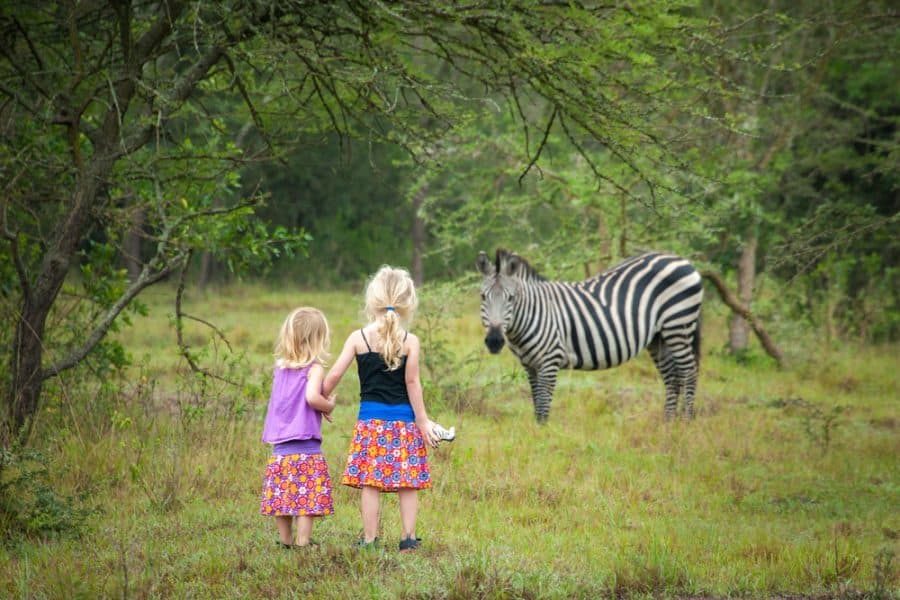
Plan a family JourneyA family Journey should be built around the people travelling, not a shortened adult itinerary. Ages, shared interests, driving tolerance, room configuration and time to stop all change what a good route looks like.
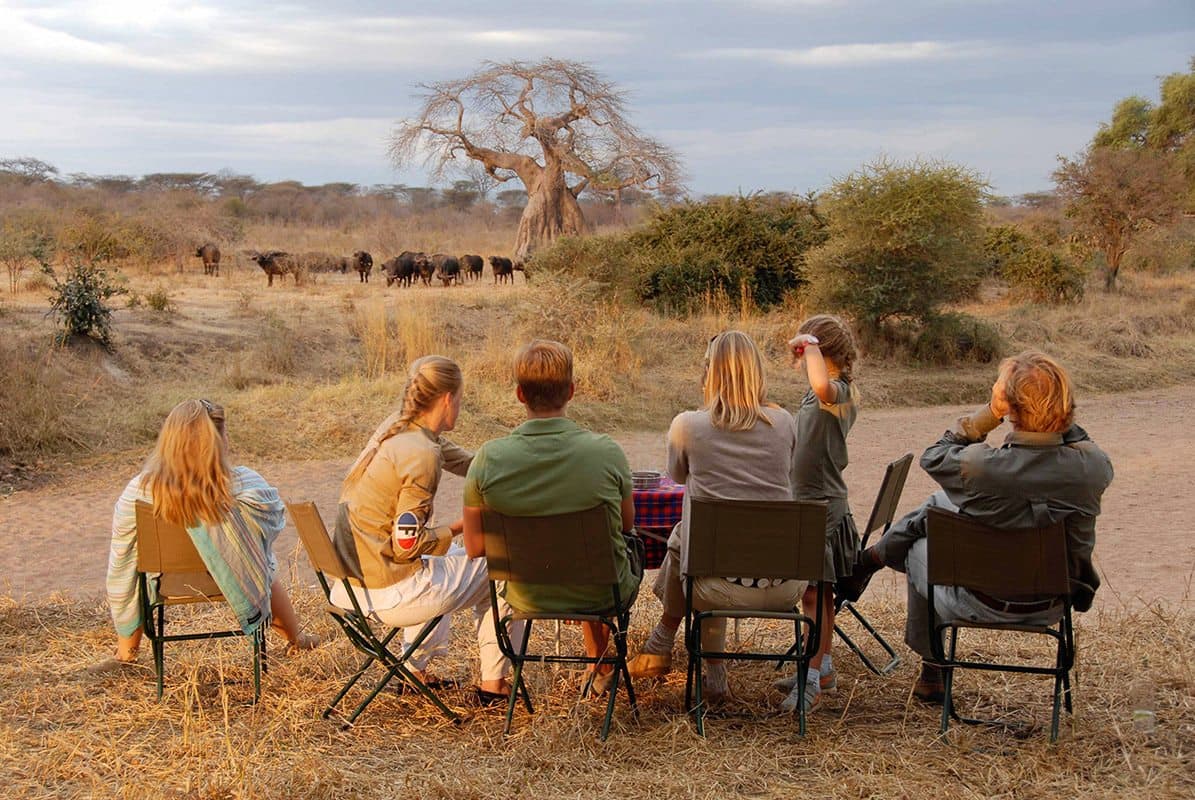
Plan around the family, not the template
Zorani plans family journeys as properly tailored itineraries, not as adult trips with children added. The planning conversations matter: what are the ages, what are the interests, what does a good day look like for the family as a whole?
Start with age, confidence and interests
Primate activities and lodges set age rules; confirm each current policy and plan the daily pace around the children.
Gorilla and Chimpanzee Trekking: Wildlife authorities apply minimum-age and health rules to primate tracking. These rules can differ by country, park, and activity, so Zorani checks the current Uganda Wildlife Authority or Rwanda Development Board terms before recommending the experience for a child.
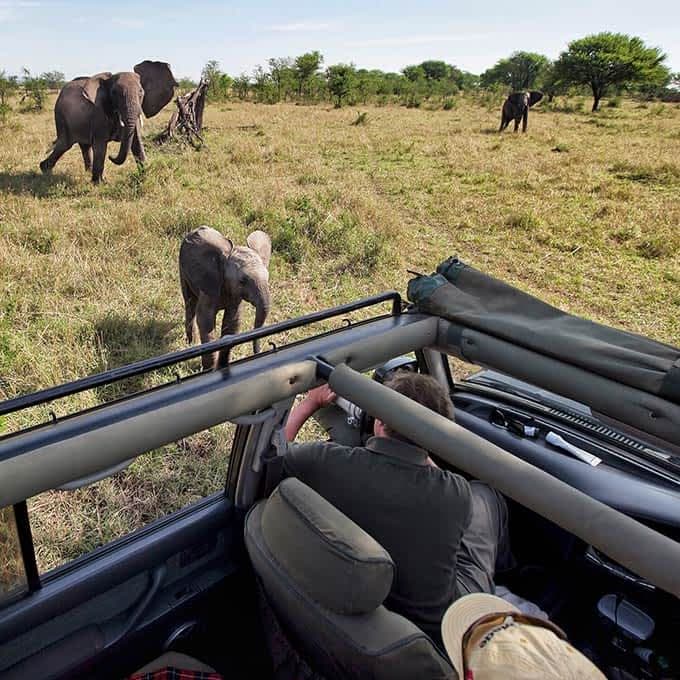
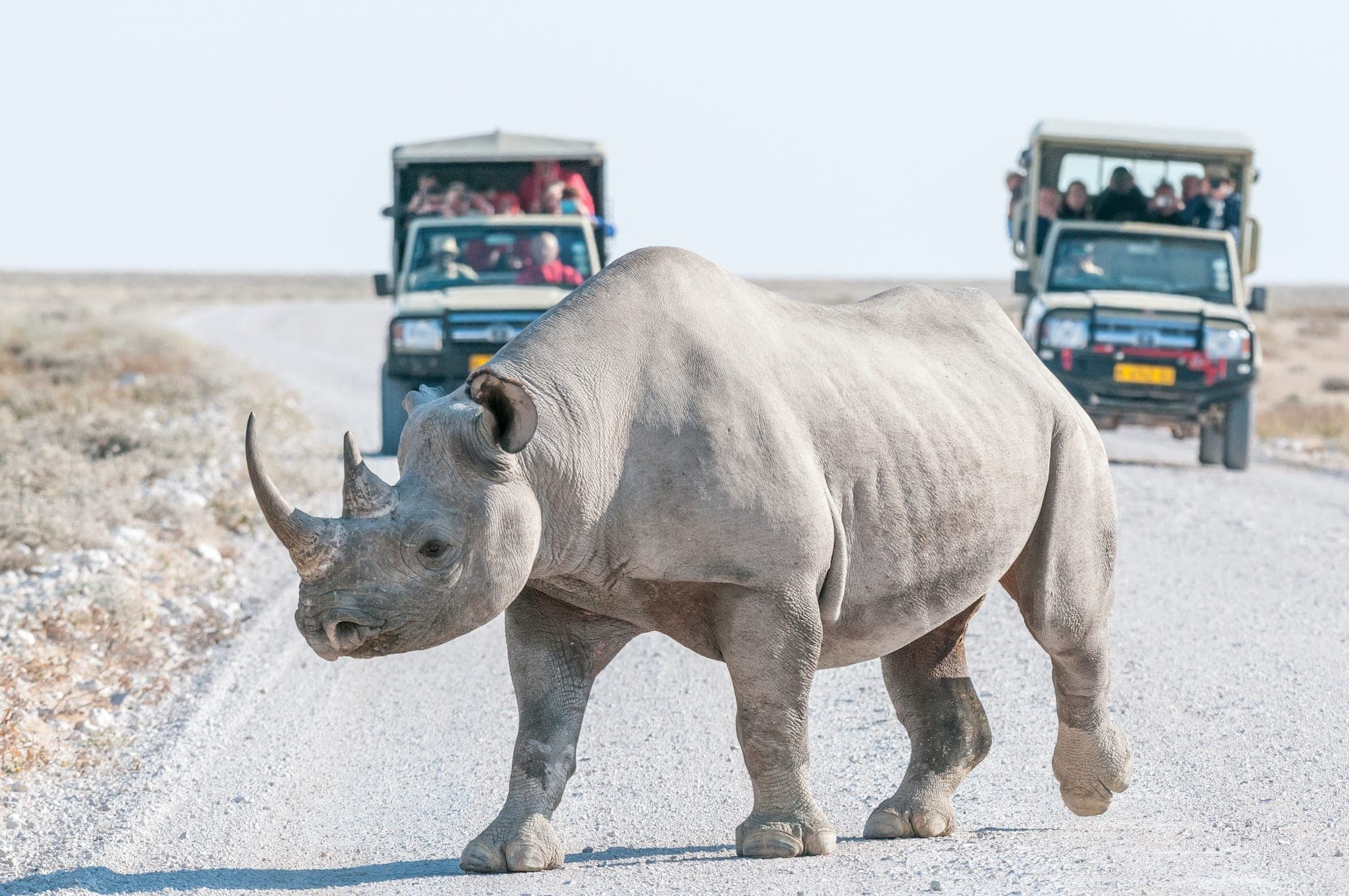
Game Drives: There is no single age rule across every park and property. Vehicle policy, private-use requirements, drive length, and child participation rules vary by lodge. Confirm each selected property's current terms and plan shorter outings when long periods of quiet waiting are unlikely to suit the child.
Choose destinations for contrast, not quantity
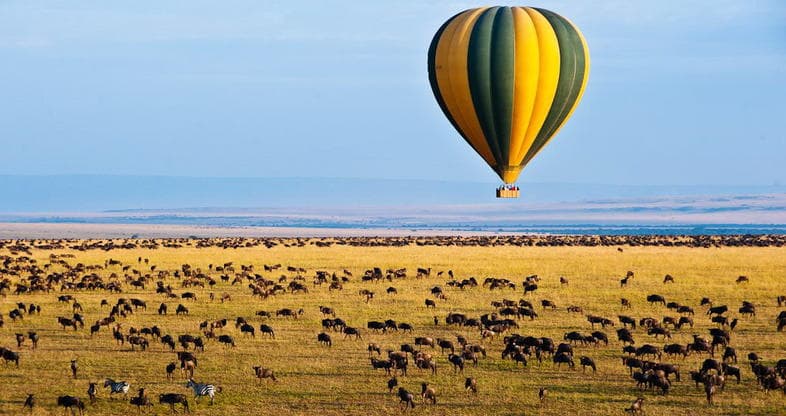
Amboseli can suit a family that values an open landscape and wants elephant habitat to be central to the Journey. Sightings and views of Kilimanjaro remain dependent on animal movement and weather.
The Maasai Mara main reserve and selected conservancies can work for families when the camp's room layout, child policy, and drive format fit the children. Walking-safari age limits and route lengths are operator-specific.
Tarangire adds baobab woodland and elephant habitat, while Ngorongoro provides a more compact game-drive area. Neither should be sold through a promised sighting; route length and vehicle time remain the practical comparison.
Zanzibar can add a slower coastal section, but tides, swimming conditions, activity age limits, and room configurations differ by beach and property. Confirm those details for the travel dates.
Uganda and Rwanda can suit families with older children when primate tracking, forests, and a more varied overland route are genuine priorities. Authority age rules and each property's child policy determine what is possible.
Accommodation changes the daily experience
Room connections, child policies, activity options, and staff experience all matter more than a generic family-friendly label.
Not all luxury or high-quality lodges are appropriate for families. Some smaller properties cater specifically to adult guests; room layout, communal dining, and staff experience with children all affect the daily quality of the visit.
Zorani selects lodges for family journeys based on whether they have family rooms or interconnected units, appropriate activities for the age range, and staff experienced with hosting children. Some properties have dedicated children's activity programmes; others work better for families with older, independent children.
Leave room for the day to change
Family itineraries should build in more downtime than a typical adult Journey, but the right rhythm depends on each child's age, attention span, interests, and previous travel experience. Some teenagers enjoy two drives a day; younger children may prefer shorter outings balanced with time at camp.
Transfer days should be kept short where possible. Long road transfers in particular are significantly harder with children than without them.
The most useful conversations when planning a family journey cover the children's specific interests (wildlife, history, the ocean, physical activity), any previous travel experience and comfort with long journeys, the family's preference for structured versus flexible days, and whether there are any health or mobility considerations that affect park or accommodation choices.
Zorani can advise specifically on which camps, parks, and activities are appropriate for different age ranges based on the family's profile.
Start planning your safari
Tell us what interests you. Our safari specialists will create a tailor-made Journey and take care of every detail.
Start planning a family JourneyJourneys built around Family Journeys
A small selection of published Journeys that use this experience as part of their route.
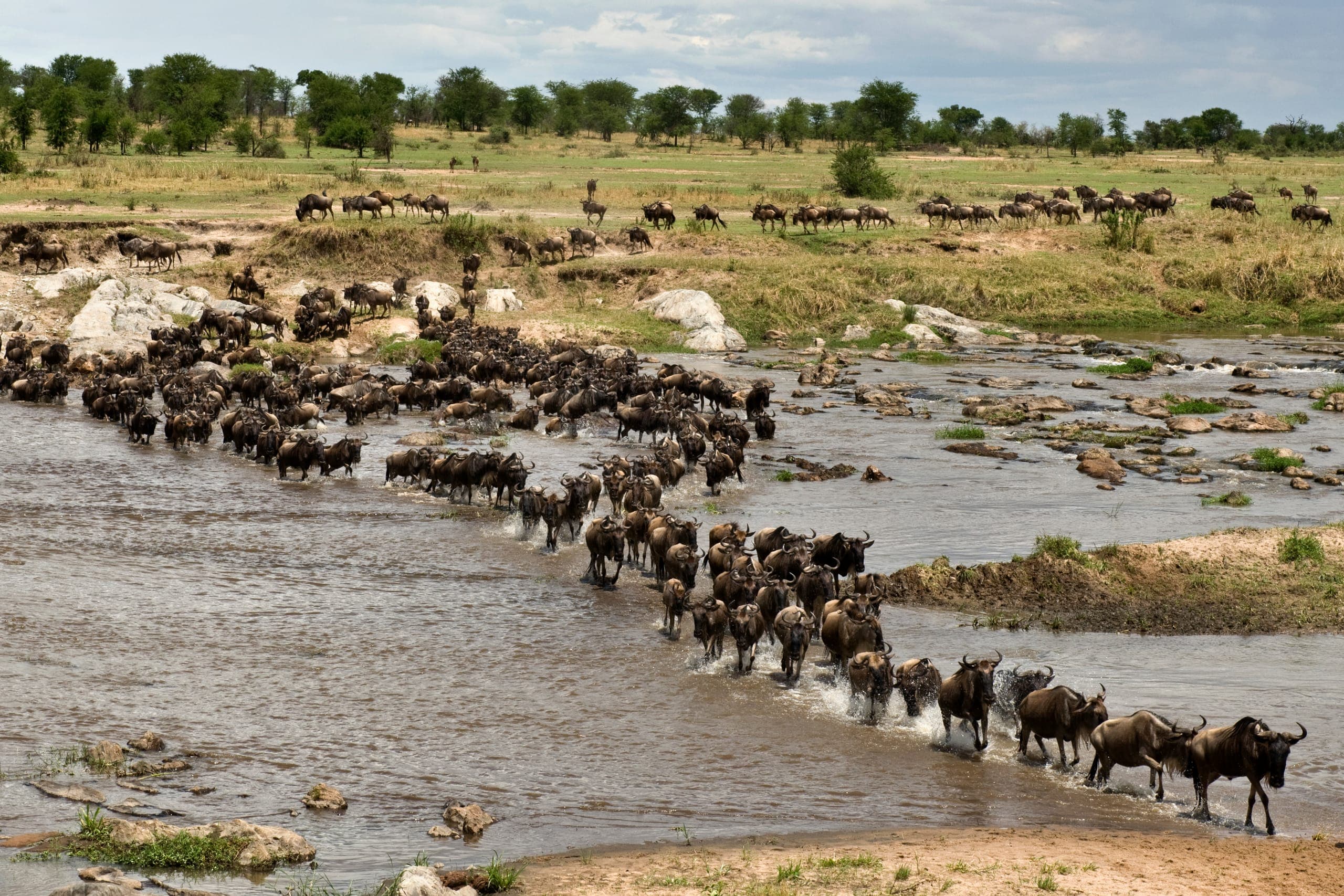
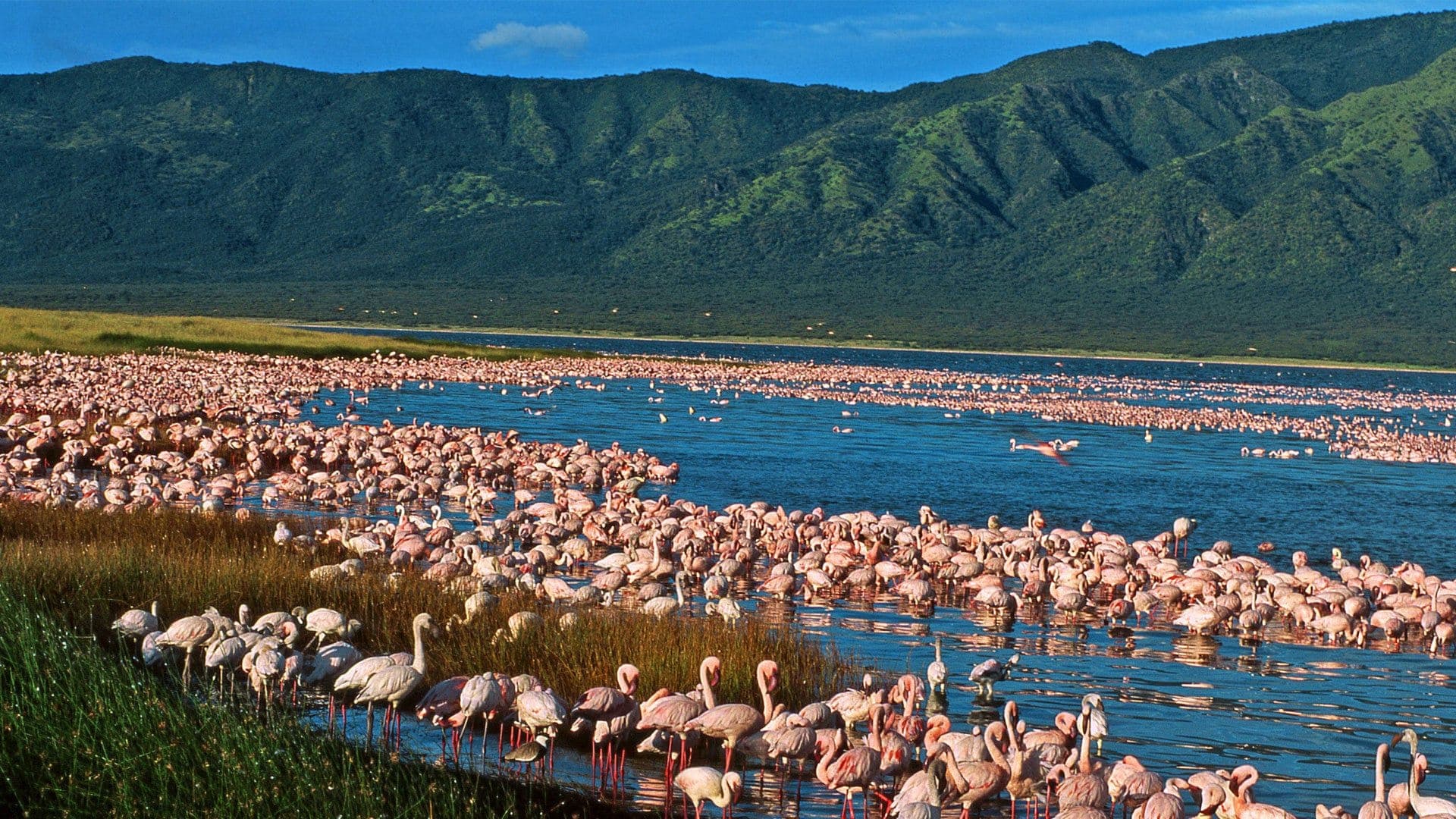
4-Day Tanzania Safari: Manyara, Serengeti & Ngorongoro
3-Day Serengeti & Ngorongoro: Four Seasons Safari Lodge