
UGANDA · EAST AFRICA
Bwindi Impenetrable
Ancient forest, steep trails, and several mountain gorilla trekking sectors
UGANDA · EAST AFRICA
Mountain Gorillas in an Ancient Forest
Bwindi Impenetrable National Park in southwestern Uganda is the most significant mountain gorilla habitat in the world. The park holds approximately 460 individual mountain gorillas, roughly half the global population of the species, distributed across a 331-square-kilometre tract of ancient highland forest in the Albertine Rift.
Mountain gorilla trekking at Bwindi is not a standard game drive. It is a guided walk through dense forest, often steep and wet, that ends in a one-hour sit with a habituated gorilla family. There are no guarantees, no timetables, and no vehicle routes. The physical demands vary significantly by permit location and trekking group. The encounter itself, sitting within metres of silverbacks, mothers, and juveniles going about their morning in their natural habitat, is categorically different from any other wildlife experience in Africa.
Bwindi has four main trekking sectors: Buhoma, Rushaga, Nkuringo, and Ruhija. Each has a different character, a different set of habituated families, and a different surrounding environment. The sector you choose affects everything from accommodation options to trekking duration to the broader journey structure.
Safari Experiences
The Case For Bwindi Impenetrable
Why Visit Bwindi Impenetrable
Mountain gorilla trekking at Bwindi is unlike any other wildlife encounter available in Africa. The experience derives its power from several things: the physical effort of reaching the gorillas, the density of the forest, the moment of finding the family, and the quality of the one-hour observation period itself.
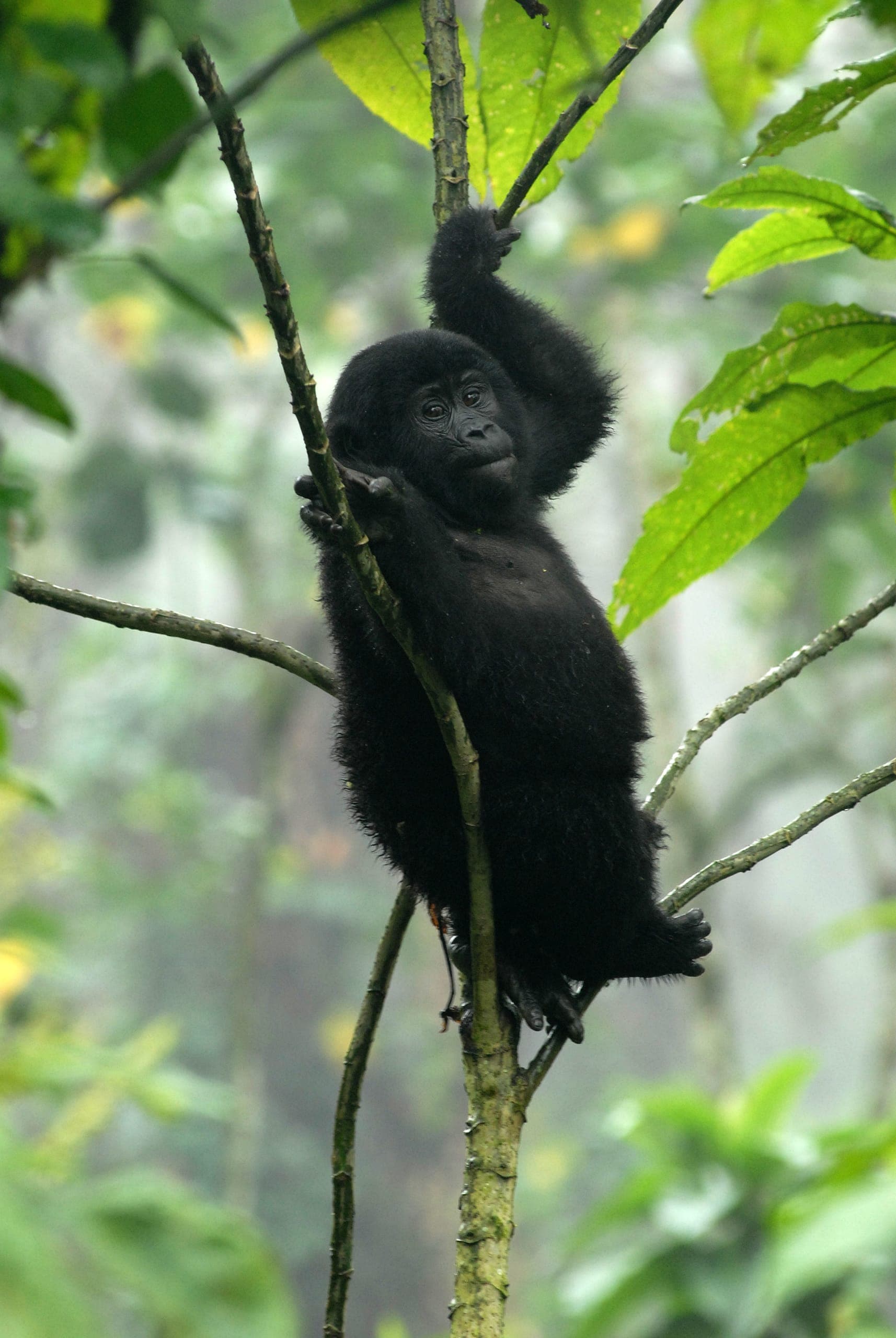
Gorillas at Bwindi are habituated to human presence but they are not domesticated and they are not in an enclosure. The family you visit has been carefully habituated over years by a team of researchers and rangers. You observe them in their actual habitat, doing ordinary things: feeding, playing, nursing, moving through the forest canopy, managing social dynamics. Silverbacks are large, calm, and occasionally curious. Juveniles are often the most active and entertaining.
The forest itself is worth noting. Bwindi is one of the oldest forests in Africa, surviving multiple Ice Age climate cycles that cleared vegetation across much of the continent. It holds an extraordinary diversity of species, including over 120 mammal species and approximately 350 bird species, many of them restricted to the Albertine Rift.
The combination of physical commitment, rarity, and the specific quality of the encounter makes gorilla trekking at Bwindi the kind of experience that serious travelers plan journeys specifically around.
Safaris Through Bwindi Impenetrable

Terrain & Ecosystem
Landscape & Environment
Bwindi's terrain is genuinely challenging. The forest grows across steep ridges and deeply cut valleys in the Albertine Rift highlands, at altitudes between approximately 1,160 and 2,607 metres. The forest is dense, multi-layered, and frequently wet, even in the drier months. Trails follow ridgelines, descend steep gullies, and cross small streams.
The forest canopy is tall in the valley sections and lower on exposed ridges. Undergrowth varies from relatively open sections to dense networks of ferns and climbing plants. This density is part of what gives Bwindi its character as a trekking environment.
The surrounding landscape at higher elevations, particularly around Nkuringo and Ruhija, is open montane grassland and terraced agricultural land with views into the Congo on clear days. The contrast between the forest interior and the open views from ridgelines is one of the more memorable visual aspects of the park.
Fauna
Wildlife Highlights
Mountain gorilla. Bwindi's 460-plus mountain gorillas are distributed across multiple habituated family groups and research groups. Trekking permits access one of the habituated families per trekking group. Family sizes range from approximately 8 to 30 individuals, with one or more silverbacks. The one-hour observation period is the standard allocation.
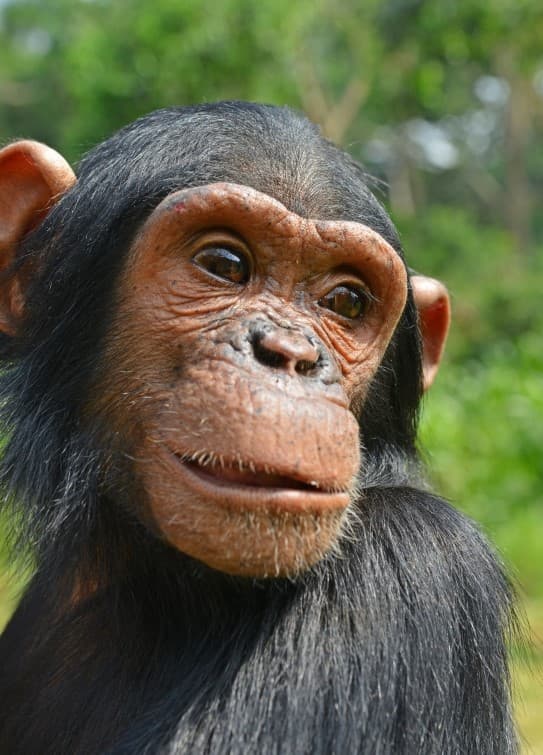
Chimpanzee. Bwindi holds chimpanzee populations, though trekking here is not as structured as at Kibale. Occasional encounters occur during forest walks but chimpanzee activity should not be planned as a primary Bwindi activity.
Forest elephant. A smaller forest subspecies of African elephant ranges through Bwindi, particularly in the lower forest sections. Encounters are possible but not predictable.
Primates. L'Hoest's monkey, black-and-white colobus, red-tailed monkey, and olive baboon are all present. Colobus troops are often encountered on approach trails, particularly in the Buhoma and Ruhija sectors.
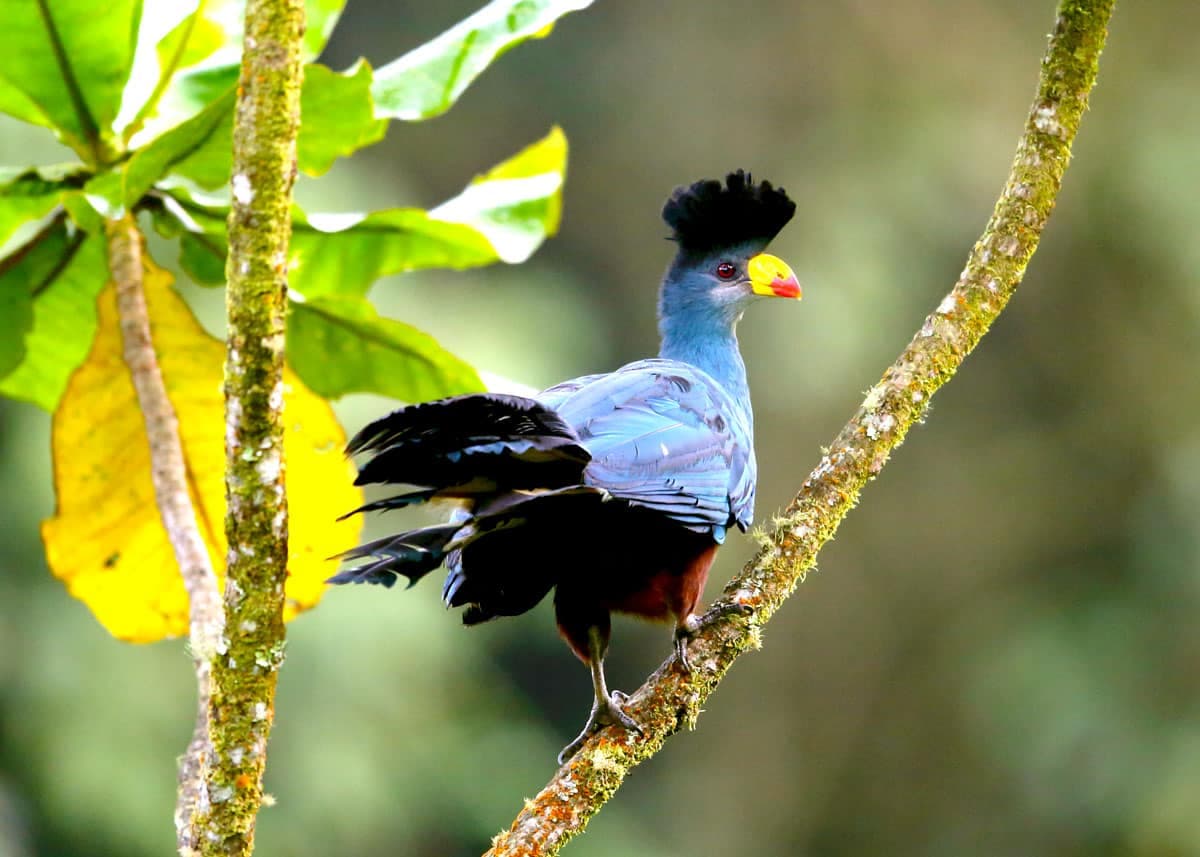
Birdlife. Over 350 species including 14 Albertine Rift endemics. Trekking groups frequently encounter forest species along the trail. African green broadbill, Shelley's crimsonwing, and the Bwindi warbler are among the most sought-after by birders.
On the Ground
Safari Experiences
Gorilla trekking. The primary and defining activity. Groups of up to eight permit holders depart daily from each sector's ranger post, accompanied by a ranger guide and trackers. Gorilla families are located by a team of trackers who follow them from the previous evening's nesting site. Trek duration varies from one hour to eight hours depending on family location on the day.
Gorilla habituation experience. A different and longer format than standard trekking. A full day, four hours, is spent with a gorilla family that is still in the process of being habituated. This is available in the Rushaga sector and is limited to four participants per day. The extended time provides a more immersive experience than the standard one-hour allocation and costs more than a standard permit.
Night walks. Guided walks after dark in the forest buffer zones. The primary draw is the variety of nocturnal species including chameleon, tree hyrax, and forest owls.
Community visits and cultural experiences. The Batwa indigenous community, formerly the forest's inhabitants, run cultural programmes around the park perimeters. These vary in quality and depth; operator-arranged visits tend to be more substantive than informal encounters.
Birding walks. Bwindi's Albertine Rift endemic list attracts dedicated birders. Specialist guides are available in some sectors.
Gorilla Trekking
Full Experience Guide →Uganda Wildlife Authority gorilla trekking permits cost USD 800 per person for foreign non-residents at the standard rate. A USD 600 low-season rate applies in April, May, and November, and those discounted permits cannot be rescheduled. From 1 January 2027, the published standard foreign non-resident rate remains USD 800. Permits are sector-specific, and the current booking and cancellation terms should be checked before payment.
Permits for the June to August peak season require advance booking of six months or more through a registered operator. Cancellation and refund policies vary; confirm these with your operator before booking.
The gorilla habituation experience in Rushaga costs more than a standard permit and is subject to separate availability.
Regions of the Park
Buhoma (northern sector). The original and most established trekking zone. Buhoma has the highest concentration of accommodation options and the longest history of gorilla trekking operations. Several well-habituated families trek from here. The terrain is typical Bwindi forest on steep ridges. Most accessible from Kihihi airstrip (approximately 1.5 hours by road) or by road from Kampala via Fort Portal.
Ruhija (northeast sector). The highest-altitude trekking zone, situated at approximately 2,350 metres. Ruhija is quieter and less developed than Buhoma, with fewer accommodation options. The terrain tends to be more challenging and the forest is notable for birding. Suitable for travelers who want a quieter experience and are physically fit.
Rushaga (southern sector). The largest sector by number of habituated gorilla families, including the gorilla habituation experience. Situated near the town of Kisoro, with access from Kisoro airstrip. Accommodation options have grown significantly. The most appropriate sector if the habituation experience is a priority.
Nkuringo (southwest sector). The most dramatic landscape setting: open views across the Rift Valley with the Virunga volcanoes visible on clear days. The approach terrain is steep. Fewer habituated families than Rushaga but a distinctive character. Closest to the Mgahinga Gorilla National Park border.
Planning Your Visit
Best Time to Visit
June to August. The primary dry season. Trail conditions are better, rain is reduced, and forest tracks are more manageable. This is peak season and permit availability is tightest. Book permits six months or more in advance for July and August.
December to February. The shorter dry season. Also good for trekking and a quieter period than June to August. Permits are easier to secure with less lead time, though advance booking is still advisable.
March to May (long rains). Trails are wet and steep sections are difficult. Trekking is still permitted and gorilla encounters still happen, but the physical experience is harder and the forest conditions are less pleasant. Permit availability is easier.
Getting There
By air. Charter flights from Entebbe operate to Kihihi airstrip (closest to Buhoma, approximately 1.5 hours by road) and to Kisoro airstrip (closest to Rushaga and Nkuringo, approximately 30 to 60 minutes by road). Flight time from Entebbe is approximately 1 hour. This is the recommended approach for most travelers.
By road. The drive from Kampala to Buhoma takes 8 to 9 hours. The road via Fort Portal and Ishaka is the standard route. Road conditions are variable and the journey is tiring. It works best as part of a multi-day road circuit combining other western Uganda parks.
Combined approach. Many itineraries fly one way and drive the other, or combine Bwindi with nearby parks such as Queen Elizabeth or Kibale as part of a road circuit through western Uganda.
How Many Nights
Two nights per sector. The standard allocation allows one or two gorilla treks (if you hold two permits, or if your group holds permits for consecutive days). This is the minimum worthwhile stay.
Three nights. More comfortable. Provides time for an additional gorilla trek, a community visit, a forest walk, or simply the option to absorb the forest environment without rushing.
Visiting two sectors. Some itineraries include nights in both Buhoma and Rushaga (or Nkuringo), with a permit at each. This makes sense for those who want to experience different sectors or are targeting the habituation experience alongside a standard trek.
Where to Stay
Accommodation ranges from internationally recognised luxury lodges to simple community guesthouses. The sector you trek from determines the available options.
Luxury Lodges and Camps
Gorilla Forest Camp (Sanctuary Retreats) in Buhoma is one of the most established luxury options, situated within the forest boundary. Mahogany Springs in Buhoma is well-regarded and positioned close to the park. Nkuringo Bwindi Gorilla Lodge in the southern sector offers high standards with the dramatic Nkuringo escarpment views. Buhoma Lodge has a long history and a reliable operation.
Midrange Lodges and Camps
Midrange lodges operate around several trekking sectors, including Buhoma and Rushaga. The correct choice depends on the permit sector, transfer route, room standard, and how much time the traveller has before the trek.
Combining With Other Destinations
Queen Elizabeth National Park. The most natural addition. Drive or fly between Bwindi and Queen Elizabeth and combine gorilla trekking with a traditional wildlife safari, including the Kazinga Channel boat cruise and the possibility of the Ishasha tree-climbing lions.
Kibale National Park. Chimpanzee trekking at Kibale pairs well with gorilla trekking at Bwindi for a comprehensive Uganda primate journey. The drive between the two via Queen Elizabeth National Park is the standard route.
Mgahinga Gorilla National Park. A smaller alternative gorilla trekking site just south of Rushaga. Some itineraries combine nights at both parks.
Rwanda (Volcanoes National Park). The border between Bwindi's Nkuringo or Rushaga sector and Rwanda is close, and some cross-border itineraries are possible. Kigali is accessible from Kisoro via Cyanika border crossing.
Photography
Gorilla photography is one of the more demanding wildlife photography challenges due to the forest light conditions. The forest canopy is dense and ambient light is low. A fast 70 to 200mm lens with image stabilisation and a high ISO capability is essential. Many of the best gorilla shots are taken at ISO 3200 or above.
The one-hour permit time moves quickly. Focus on the silverback for context and the juveniles for movement and expression. Avoid flash unless the ranger explicitly permits it, which is rare. Get low when possible to avoid shooting downward at animals.
Bwindi Impenetrable Questions
How much does a gorilla trekking permit cost in Bwindi?
As checked against the Uganda Wildlife Authority tariff on 29 July 2026, the standard foreign non-resident gorilla trekking permit costs USD 800 per person. Rwanda's standard permit costs USD 1,500 per person. Uganda also introduced a USD 600 foreign non-resident rate for April, May, and November; those discounted permits cannot be rescheduled. Confirm the applicable tariff and payment terms before booking.
How many gorilla families can you trek in Bwindi?
Bwindi has more than 20 habituated gorilla families open to trekking permits, spread across the four sectors. Total permit allocations allow up to 8 visitors per family group per day. The park holds approximately 460 mountain gorillas: roughly half the entire global population of the species.
Bwindi vs Volcanoes National Park Rwanda: which should I choose?
Choose Bwindi if the broader Uganda route, its four trekking sectors, or the standard permit price of USD 800 suits the Journey. Choose Volcanoes if Rwanda is the main destination or the shorter road transfer from Kigali matters; Rwanda's standard permit is USD 1,500. Trek duration is never predictable in either park because it depends on the gorillas’ location and terrain. Confirm current permits and border requirements before planning a cross-border Journey.
What are the four sectors of Bwindi and how do they differ?
Bwindi has four trekking sectors. Buhoma in the north is the original and most established sector, with the best-developed infrastructure and lodge options. Rushaga in the south has the most gorilla families including families for the habituation experience. Nkuringo in the southwest sits at higher elevation with dramatic views but has longer drive times from most gateways. Ruhija in the northeast is the least-visited sector, harder to reach, with fewer accommodation options but a quieter experience. Your choice of sector depends on your itinerary structure and accommodation preferences.
How strenuous is gorilla trekking in Bwindi?
Strenuous to very strenuous. The forest terrain is steep, muddy, and dense: there are no maintained paths to where the gorillas are. Trek durations range from 1 hour to 8 hours depending on the family's location that day. Most healthy adults can complete a standard trek, but those with limited mobility should discuss options with their operator before booking. Stick porters are available for hire at the ranger post and are genuinely useful, providing both physical support and income to local communities.
What is the minimum age for gorilla trekking in Bwindi?
Fifteen years old. This is a Uganda Wildlife Authority rule that applies to all trekking permit holders without exception. Children under 15 cannot participate in the trek regardless of fitness level or prior experience. Families travelling with younger teenagers should plan accordingly.
What is the best time of year to trek gorillas in Bwindi?
Gorilla trekking operates year-round at Bwindi. The drier months of June to August and December to February offer better underfoot conditions and clearer forest visibility. The rainy seasons (March to May, September to November) make the forest muddier and the trails more challenging, but trekking still proceeds and permit availability can be better. Book peak-season permits 6 to 12 months in advance.
Can I combine Bwindi with Queen Elizabeth National Park or chimp trekking?
Yes: this is the standard Uganda wildlife combination. Queen Elizabeth National Park lies roughly 2 to 3 hours north of the Bwindi Buhoma sector by road. The route between them passes through the Ishasha sector, known for its tree-climbing lions. Chimp trekking at Kibale Forest requires a longer drive north but is commonly added to a 7 to 10 night Uganda circuit combining gorillas, tree-climbing lions, and chimpanzees.
What should I bring for gorilla trekking?
Waterproof hiking boots with ankle support are essential: the ground is almost always wet. Bring long trousers and a long-sleeved top (forest vegetation can scratch), a waterproof jacket, gloves for gripping vegetation on steep sections, insect repellent, sunscreen, plenty of water, and a daypack. Leave large camera bags at camp; a single camera body with a 70-200mm lens is suitable for most gorilla photography. The UWA prohibits flash photography within the gorilla family.
What is the gorilla habituation experience and how is it different from standard trekking?
The gorilla habituation experience (GHE) is a separate activity available in the Rushaga sector, where visitors spend a full four hours with a gorilla family that is still in the process of being habituated to human presence. Maximum four participants per day versus eight for standard trekking. The extended time allows for a richer, more immersive observation, including watching natural behaviours that unfold over longer periods. The GHE permit costs USD 1,500 per person: the same as Rwanda's standard permit. It is the more demanding and more rewarding format of the two.
Zorani Expeditions
Plan Your Bwindi Impenetrable Safari
Every Journey we design is built around your goals, not a standard route.
Speak to a Specialist