The Serengeti isn't one park with a single wildlife experience.
It covers almost 15,000 square kilometres, and each region has its own character. The landscapes change. Wildlife concentrations shift throughout the year. Even the pace of a game drive feels different depending on where you're staying.
Two areas stand out for most travellers: Central Serengeti and Northern Serengeti.
Both deliver exceptional wildlife viewing. Choosing between them depends on what you want from your journey.
Central Serengeti
Central Serengeti, often referred to as the Seronera region, is the park's wildlife hub.
Animals are present throughout the year, making it the most reliable choice for first-time visitors. The Seronera River provides a permanent water source, attracting herbivores and the predators that follow them.
You don't need to visit during the Great Migration to enjoy outstanding game viewing here.
Lions are seen regularly. Leopards patrol the riverine woodlands. Cheetahs favour the open plains, while elephants, giraffes, buffalo and hyenas are encountered on most game drives.
If your goal is seeing as much wildlife as possible over a few days, Central Serengeti is difficult to beat.
Northern Serengeti
Northern Serengeti feels more remote.
Visitor numbers are lower, distances between camps are greater, and game drives often pass through vast stretches of wilderness before another vehicle appears.
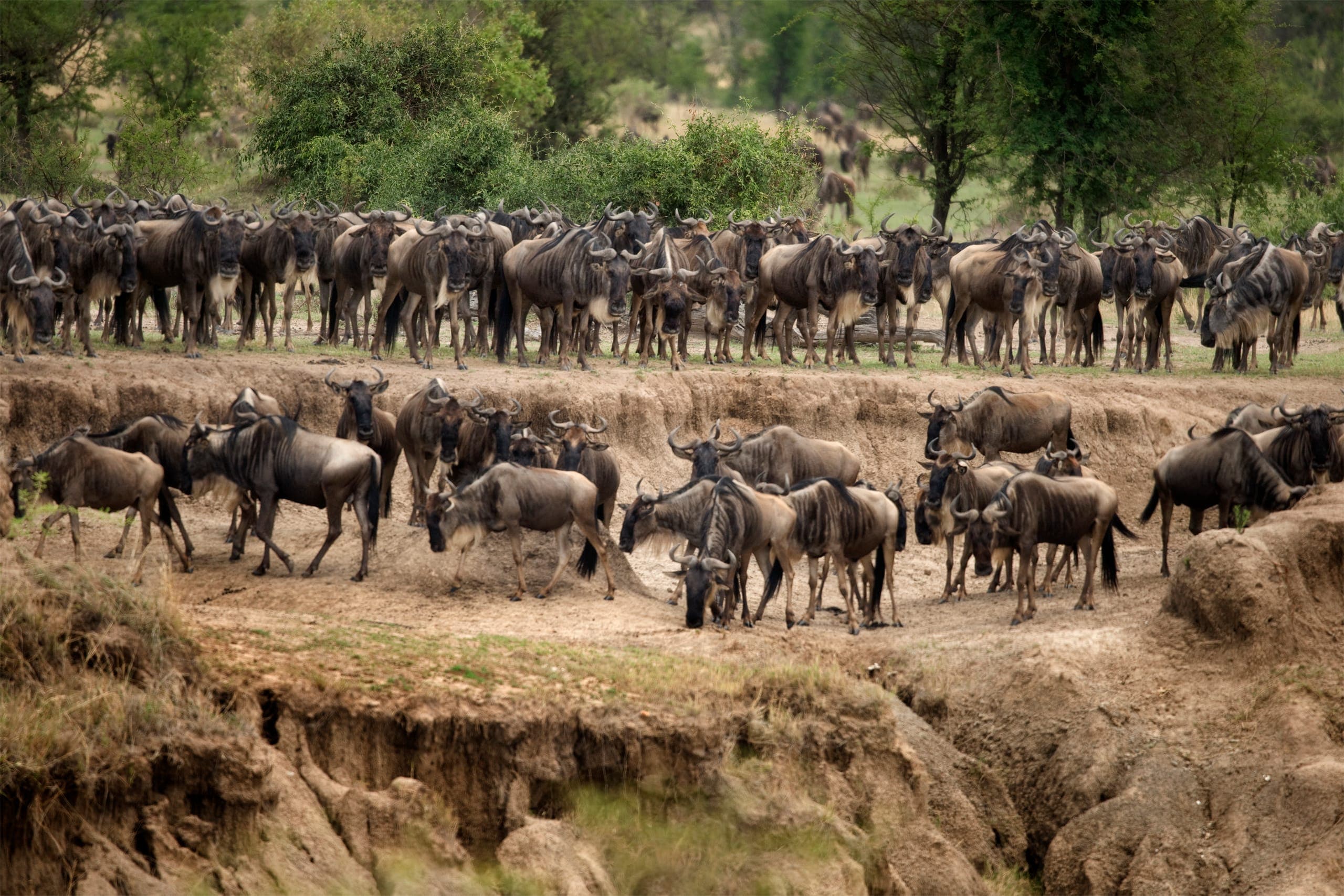
Between July and October, this region becomes one of the best places in Africa to witness the Great Migration.
As hundreds of thousands of wildebeest move north towards Kenya's Maasai Mara, they must cross the Mara River. Strong currents, steep banks and waiting crocodiles turn each crossing into one of the most dramatic wildlife events on the continent.
Some crossings last only minutes.
Others never happen, with the herds gathering at the river before turning away and continuing to graze nearby.
Patience is part of the experience.
Wildlife Throughout the Year
Both regions support impressive resident wildlife regardless of the migration.
Central Serengeti generally offers more consistent predator sightings throughout the year because wildlife remains concentrated around permanent water.
Northern Serengeti also has resident lions, elephants, buffalo, giraffes and antelope, but its biggest draw remains the seasonal migration.
Outside migration season, it appeals to travellers looking for quieter game drives and a stronger sense of isolation.
Which Area Is Better for the Great Migration?
If seeing a river crossing is your priority, Northern Serengeti is the better choice.
That doesn't mean you'll automatically witness one.
The migration follows rainfall rather than a fixed calendar. Wildebeest decide when to move, not tour operators.
Planning around historical movement patterns improves your chances, but nature always has the final say.
Accommodation
Central Serengeti has the widest range of accommodation, from comfortable tented camps to luxury lodges overlooking the plains.
Northern Serengeti offers fewer properties, many of them smaller camps designed around the migration season.
Accommodation here tends to book much earlier, especially between July and October.
Travel Time
Moving between the two regions takes longer than many first-time visitors expect.
A road transfer can take several hours, depending on your route and wildlife sightings along the way.
Many longer journeys include both regions, allowing travellers to experience year-round wildlife in Central Serengeti before heading north as the migration approaches the Mara River.
Which One Should You Choose?
Choose Central Serengeti if you:
Are visiting for the first time.
Want reliable wildlife viewing in any season.
Have three or four days in the Serengeti.
Would like the widest choice of lodges.
Choose Northern Serengeti if you:
Are travelling between July and October.
Hope to witness a Mara River crossing.
Prefer quieter game drives.
Don't mind longer travel distances between camps.
Frequently Asked Questions
Can I visit both Central and Northern Serengeti?
Yes.
Many longer itineraries combine both regions, particularly during the migration season. This gives you consistent wildlife viewing in Central Serengeti alongside the chance of seeing river crossings in the north.
Is Northern Serengeti worth visiting outside the migration?
Yes.
Wildlife remains excellent throughout the year, and the lower visitor numbers create a quieter safari experience. The scenery alone makes the journey worthwhile.
Which area is better for first-time visitors?
Central Serengeti.
Its resident wildlife, reliable predator sightings and wider choice of accommodation make it the easiest introduction to Tanzania's most famous national park.
How many nights should I spend in the Serengeti?
At least three nights.
If you plan to visit both Central and Northern Serengeti, four to six nights allows enough time to experience each region without rushing between camps.